
Garlic Essential Oil Price Guide: Why the Real Thing Costs More
Garlic essential oil pricing can feel confusing at first glance. You might find a 1-ounce bottle listed for $8 and another for $45, with seemingly identical labels. The difference is almost never arbitrary. It comes down to extraction method, sourcing, purity, and a production process that is genuinely more labor-intensive than most shoppers realize. This guide walks you through what actually drives garlic oil cost, what quality markers to look for, and how to spend your money wisely at any budget level.
Why Garlic Essential Oil Is Priced Differently Than Most Oils
Let's start with production. True garlic essential oil is steam-distilled from fresh or dried Allium sativum bulbs. The yield is extremely low. It takes a significant volume of raw garlic to produce even a small quantity of pure oil, which is a key reason authentic garlic essential oil price runs higher than, say, lavender or eucalyptus.
There is also a meaningful distinction between what is sold as "garlic oil" in grocery stores and true garlic essential oil. Grocery-shelf garlic oils are almost always carrier-based infusions: minced garlic steeped in a neutral oil like sunflower or soybean. They are useful products, but they are not the same thing as a distilled essential oil with a concentrated aromatic profile. If you are comparing prices between these two categories, you are comparing different products entirely.
For a deeper look at how these products differ and why the distinction matters for food manufacturers and cosmetic formulators alike, see our guide on garlic oil vs. garlic flavoring: what food makers should know.
Key Quality Indicators That Justify a Higher Price
Before comparing prices, it helps to know what you are actually evaluating. Here are the quality factors that separate premium garlic essential oil from low-cost alternatives.
Extraction Method
Steam distillation is the gold standard for true garlic essential oil. It preserves the volatile sulfur compounds (including allicin precursors and diallyl disulfide) that give the oil its characteristic sharp, pungent aroma. Solvent-extracted or CO2-extracted versions exist and have their own applications, but steam-distilled is the benchmark for aromatic and cosmetic work. Always check the extraction method on the label or product page. If it is absent, ask the supplier directly.
Latin Name and Botanical Origin
A legitimate product lists the full botanical name: Allium sativum. No exceptions. Vague terms like "garlic oil blend" or "garlic fragrance oil" signal that you are not looking at a pure essential oil. Origin matters too. Garlic grown in regions with rich alluvial soil and careful agricultural practices tends to yield oil with a more complex, consistent aroma profile.
GC/MS Testing
Gas chromatography/mass spectrometry (GC/MS) analysis identifies the chemical constituents of an essential oil. Reputable suppliers publish these reports or make them available on request. A GC/MS report tells you whether the oil is adulterated, diluted, or mislabeled. At higher price points, this documentation is often included as standard. At lower price points, its absence is a red flag worth taking seriously.
Packaging
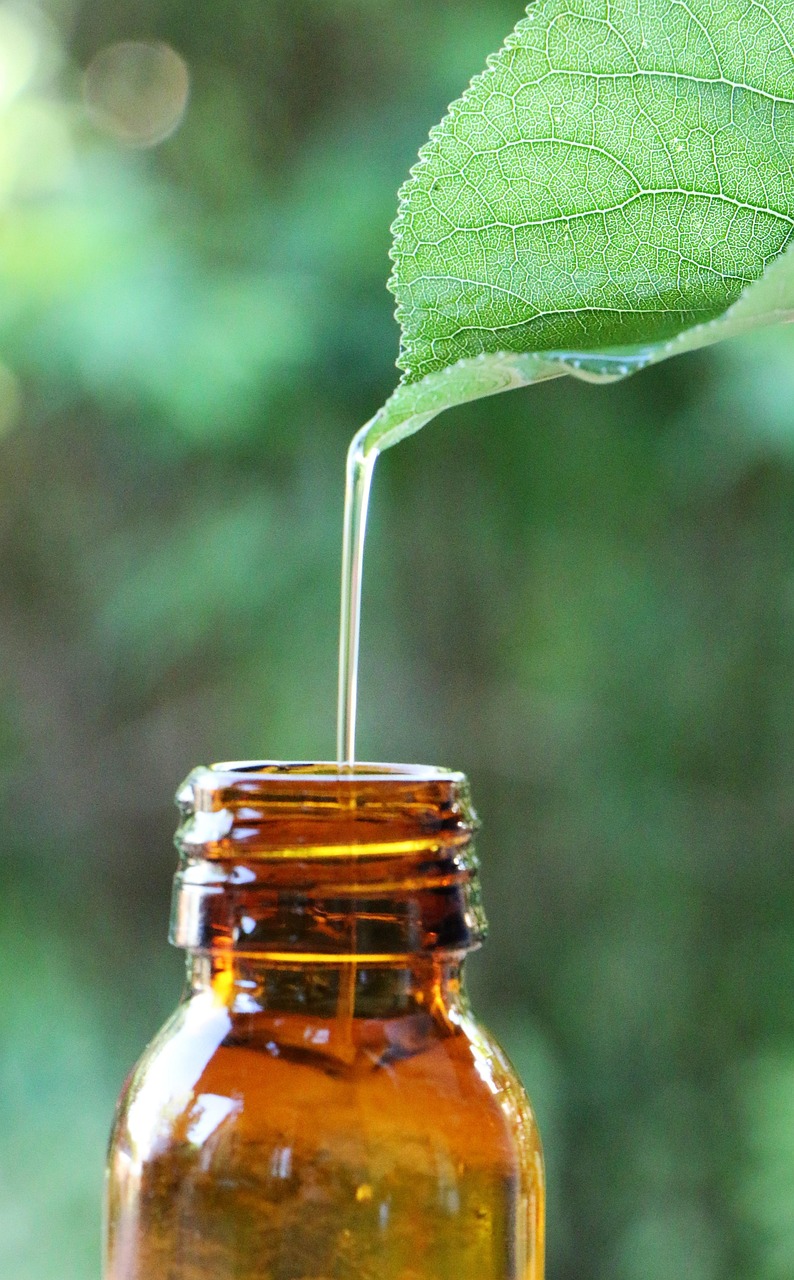
Genuine essential oils degrade in light and heat. Amber or cobalt glass bottles are appropriate for storage. Clear plastic bottles are not. If a garlic essential oil arrives in a clear plastic container, the supplier is cutting corners on storage integrity, and you have reason to question what else they are cutting corners on.
Aroma Authenticity
Real garlic essential oil smells intensely of garlic. Pungent, sulfurous, unmistakable. If you open a bottle and the scent is mild, faintly sweet, or oddly neutral, the oil is likely diluted or synthetic. Experienced formulators often describe authentic garlic essential oil as having a raw, almost sharp quality that fades quickly on skin but lingers in a diffuser or blend. Expect it to be assertive.

Essential Oil Pricing Tiers: What You Get at Each Level
Garlic oil cost varies widely depending on volume, supplier type, and intended use. Here is a realistic breakdown of what to expect across price tiers.
| Price Range (per 1 oz / 30 ml) | What You Typically Get | Best For |
|---|---|---|
| Under $10 | Likely a garlic-infused carrier oil or synthetic fragrance oil. Rarely true essential oil at this volume and price. | Culinary infusions if labeled food-safe; avoid for cosmetic blending |
| $10 to $20 | May be a diluted essential oil (e.g., 10% in jojoba). Useful for ready-to-use topical applications if dilution ratio is disclosed. | Beginners exploring the aroma; pre-diluted topical use |
| $20 to $40 | Often 100% pure steam-distilled oil from a mid-tier supplier. GC/MS reports may be available on request. | General cosmetic formulation, DIY blending, aromatherapy work |
| $40 and above | Premium pure oil with transparent sourcing, published GC/MS data, certified organic options, and traceable supply chains. | Professional formulators, certified organic product lines, research applications |
Note: These price ranges reflect retail 1-ounce purchases. Per-ounce cost drops significantly when buying in bulk. If you are sourcing for production rather than personal use, bulk pricing changes the calculation considerably. Our wholesale garlic oil guide for bulk buying covers how to approach volume sourcing effectively.
Red Flags to Avoid When Shopping
The essential oil market has a long history of adulteration, mislabeling, and dilution without disclosure. Garlic essential oil is no exception. Here is what to watch for.
- Missing botanical name. If the label says only "garlic oil" without Allium sativum, you cannot verify what you are buying.
- No extraction method listed. This information should be readily available. Suppliers who omit it are not being transparent.
- Suspiciously low price for a large volume. A 4-ounce bottle of "pure garlic essential oil" for $6 is almost certainly not what it claims to be.
- Plastic packaging. Essential oils interact with and degrade plastic over time. Any supplier using clear plastic for a "pure" essential oil is signaling poor quality control.
- No third-party testing available. Reputable suppliers invest in quality verification. If a supplier cannot or will not share GC/MS data, move on.
- Fragrance oil labeled as essential oil. Fragrance oils are synthetic compositions designed to mimic an aroma. They are not essential oils and should never be used interchangeably in cosmetic formulations.
- Vague country of origin. Origin data matters for traceability. "Imported" is not a country of origin.
Where to Buy Garlic Essential Oil

Your sourcing channel shapes what you are likely to receive. Each option has trade-offs.
Specialty Essential Oil Retailers
Companies that focus exclusively on essential oils tend to have stronger sourcing standards, more documentation, and staff who can answer technical questions. Many publish GC/MS reports on their websites. These are often the best starting point for first-time buyers who want confidence in what they are purchasing.
Direct-from-Distillery Suppliers
Buying directly from a distillery or farm eliminates several layers of the supply chain. You get full transparency on growing conditions and processing. The trade-off is that smaller distilleries may not always have stock available, and minimum order quantities can be higher than retail buyers prefer.
General Marketplaces (Amazon, eBay, Etsy)
These platforms have a wide range of sellers, which means wide range of quality. You can find legitimate products here, but due diligence is essential. Read seller profiles carefully, look for GC/MS report availability, check return policies, and read reviews critically. Avoid listings with generic product photos and minimal ingredient disclosure.
Wholesale and B2B Suppliers
Formulators and manufacturers sourcing at volume will typically work with ingredient distributors or wholesale essential oil suppliers. These suppliers often offer better per-unit pricing and more robust documentation. However, they usually require business verification and minimum orders. See our full overview in the bulk buying guide.
Health Food Stores and Co-ops
Local retailers sometimes carry a curated selection of essential oils from vetted brands. Quality varies by store, but you have the advantage of being able to examine the label in person before purchasing.
How to Compare Products Side by Side
When you are evaluating two or more garlic essential oil options at different price points, use this checklist as your framework.
- Is Allium sativum listed as the botanical source?
- Is the extraction method (steam distillation preferred) clearly stated?
- Is the country of origin disclosed?
- Is GC/MS testing data available, either on the page or on request?
- Is the packaging amber or cobalt glass with a proper dropper or orifice reducer?
- Does the supplier offer clear contact information and a return or satisfaction policy?
- Is there a clearly disclosed dilution level (100% pure vs. diluted with carrier)?
If a product scores well on all seven points, the price difference compared to a cheaper option is almost always justified. If a product scores poorly but costs less, the savings are likely to come back as dissatisfaction, wasted formulation batches, or product returns.
For a broader look at sourcing principles and how to evaluate suppliers over time, our complete quality and sourcing guide for garlic oil covers the full picture, from farm to bottle.
A Note on Safety and Dilution
Garlic essential oil is highly concentrated. It should always be diluted before any topical application. A general starting point for cosmetic formulations is 0.5% to 1% in a carrier oil, though some applications call for even lower concentrations. Patch testing before broader use is strongly recommended. Those with sensitive skin or known sensitivities to allium plants should consult a qualified healthcare provider or cosmetic chemist before incorporating it into a product line. Keep undiluted oil away from children and pets.
Practical note: Because garlic essential oil is so potent aromatically, even small quantities go a long way in a blend. A 5 ml bottle used at 1% dilution in a 100 ml formulation will last considerably longer than you might expect. Factor this into your cost-per-use calculations when comparing garlic essential oil prices.
The Bottom Line on Garlic Oil Cost
Garlic essential oil price reflects a genuinely demanding production process, a low extraction yield, and the documentation burden that legitimate quality assurance requires. The cheapest options are often not the product they claim to be. The most expensive options are not always worth a premium if they cannot back up their price with transparent sourcing and third-party verification.
Buy from suppliers who show their work. Ask for GC/MS reports. Check the label for botanical name and extraction method. Your formulations, your customers, and your professional reputation are better served by a $35 bottle you can verify than a $9 mystery oil that raises more questions than it answers.