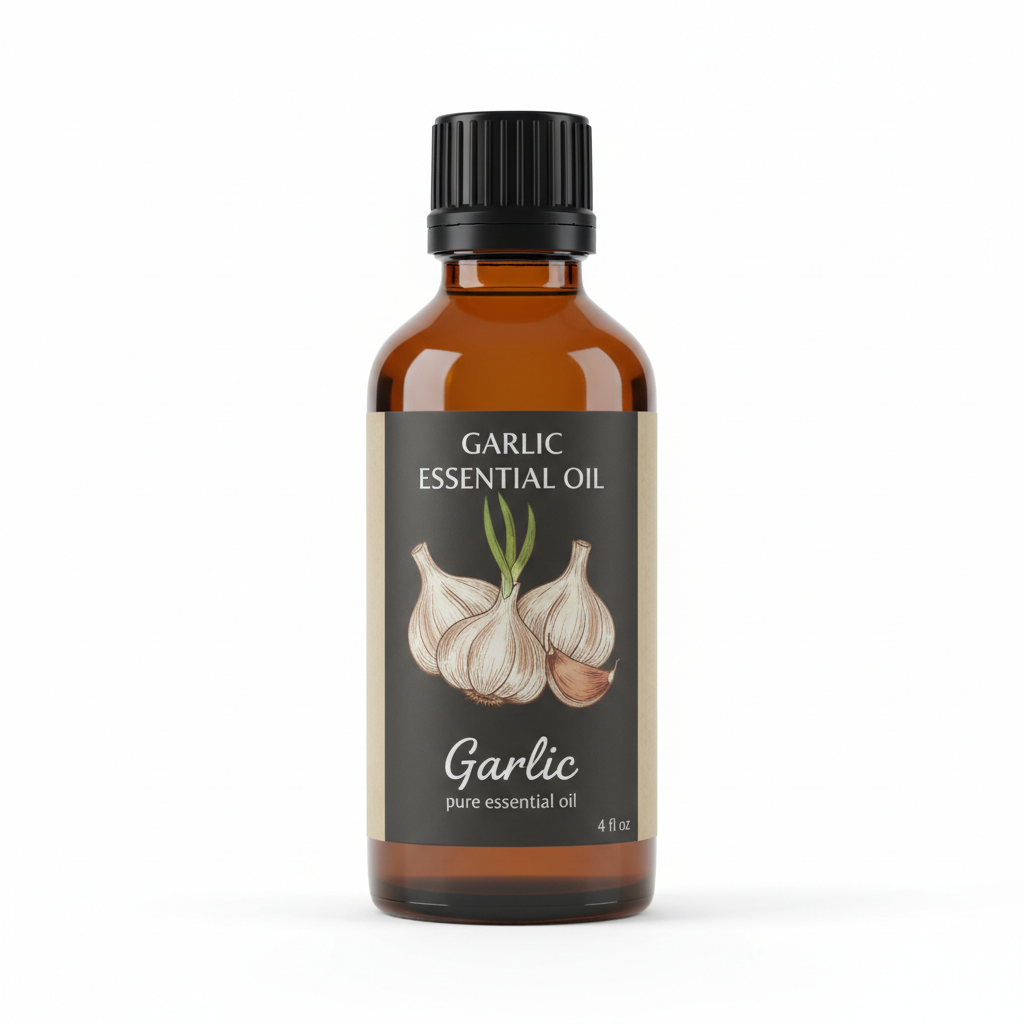
Is Your Garlic Oil Still Good? Signs It Has Aged
Garlic oil smells loud at any age, so your nose will not tell you much. Here is how aging shows up, what slows it, and when to retire a bottle.
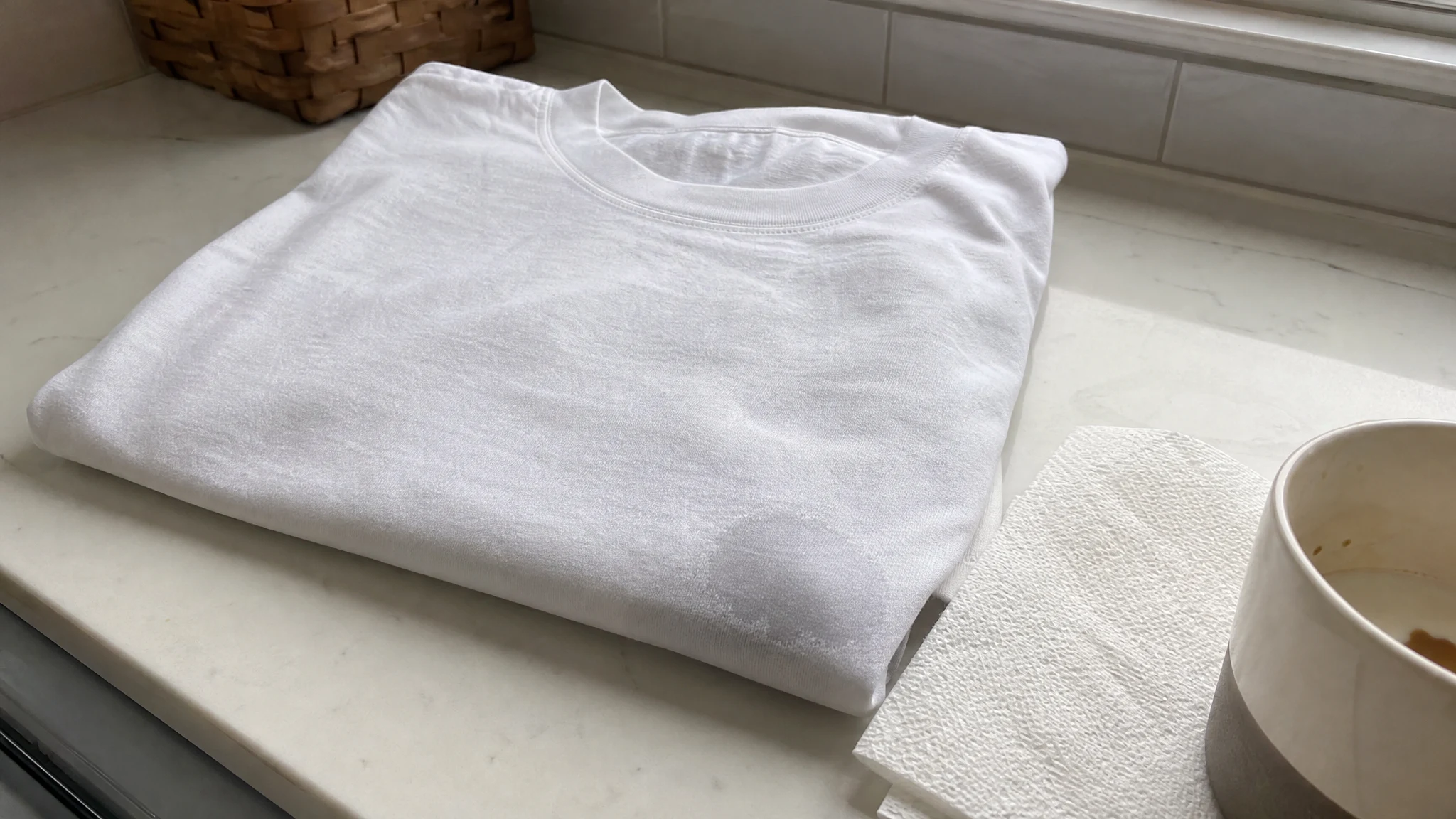
Garlic Oil on Fabric: Blot First, Then Tackle the Smell
Garlic oil on a shirt or cushion leaves a grease mark and a smell that lingers. Blot, pretreat, wash, and know when a dry cleaner should take over.

Garlic Oil and Water Do Not Mix: What to Use Instead
Stir garlic oil into water and it floats in beads. Here is why, how to dilute it in a carrier instead, and why we point cooks and spray makers elsewhere.
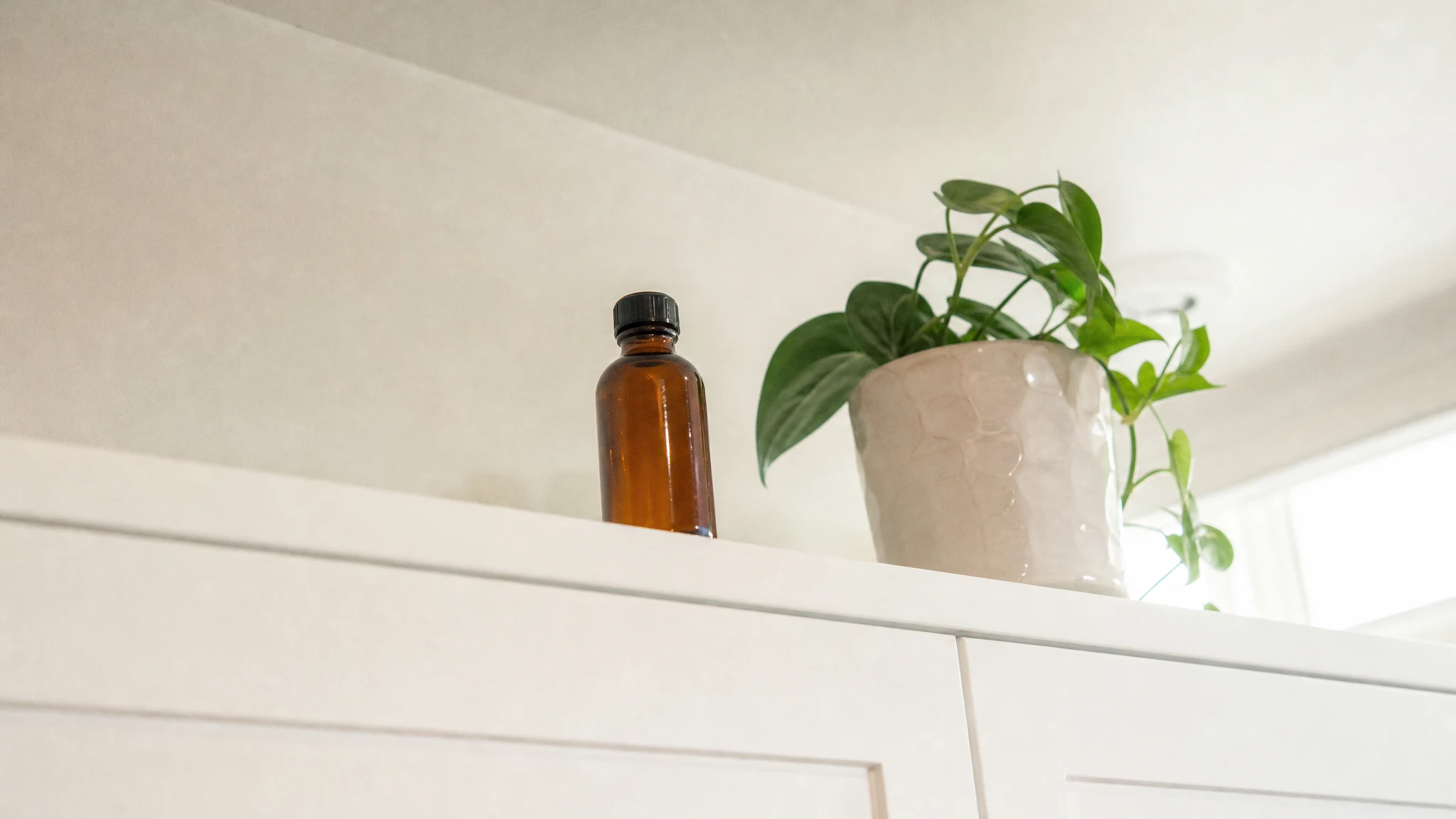
Is Garlic Essential Oil Safe? How to Handle It Sensibly
Garlic oil is strong and it lingers. Here is how to handle it: skin, eyes, a dilution table, who should check first and what to do if it spills.
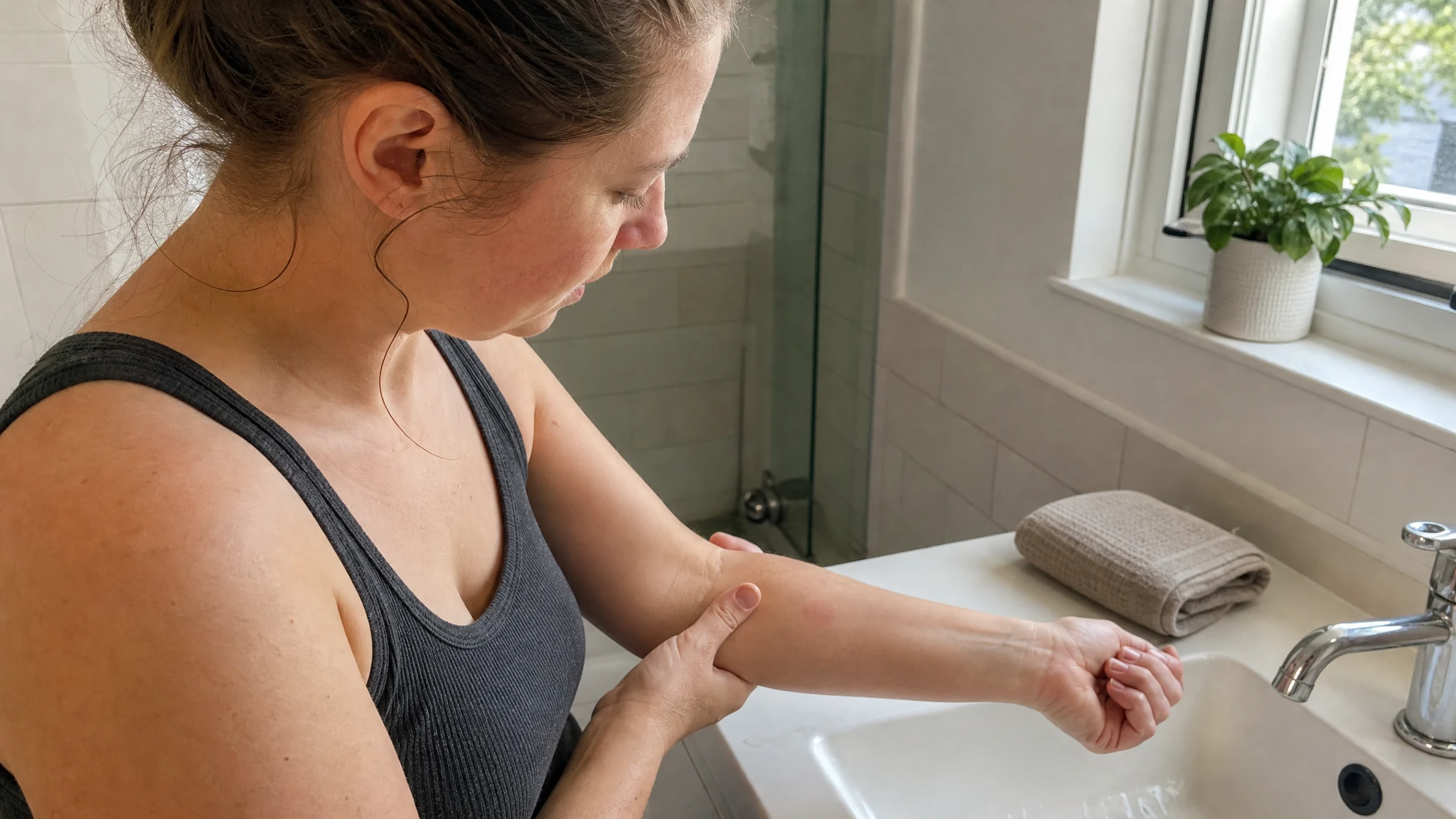
Garlic Skin Reactions: Irritation vs. Allergy
Garlic can irritate anyone's skin, and a few people become truly allergic. How the two reactions differ and what a home patch test can tell you.

Garlic Oil and Pets: Keeping Dogs and Cats Safe
Garlic is on the ASPCA toxic list for dogs and cats. What the vet sources say, what is unknown about the oil, and who to call if a pet gets into a bottle.

Is Garlic Oil Safe in Pregnancy or Around Children?
Garlic oil is a strong, undiluted aroma product. What NCCIH and poison control say about pregnancy and children, and who to ask first.
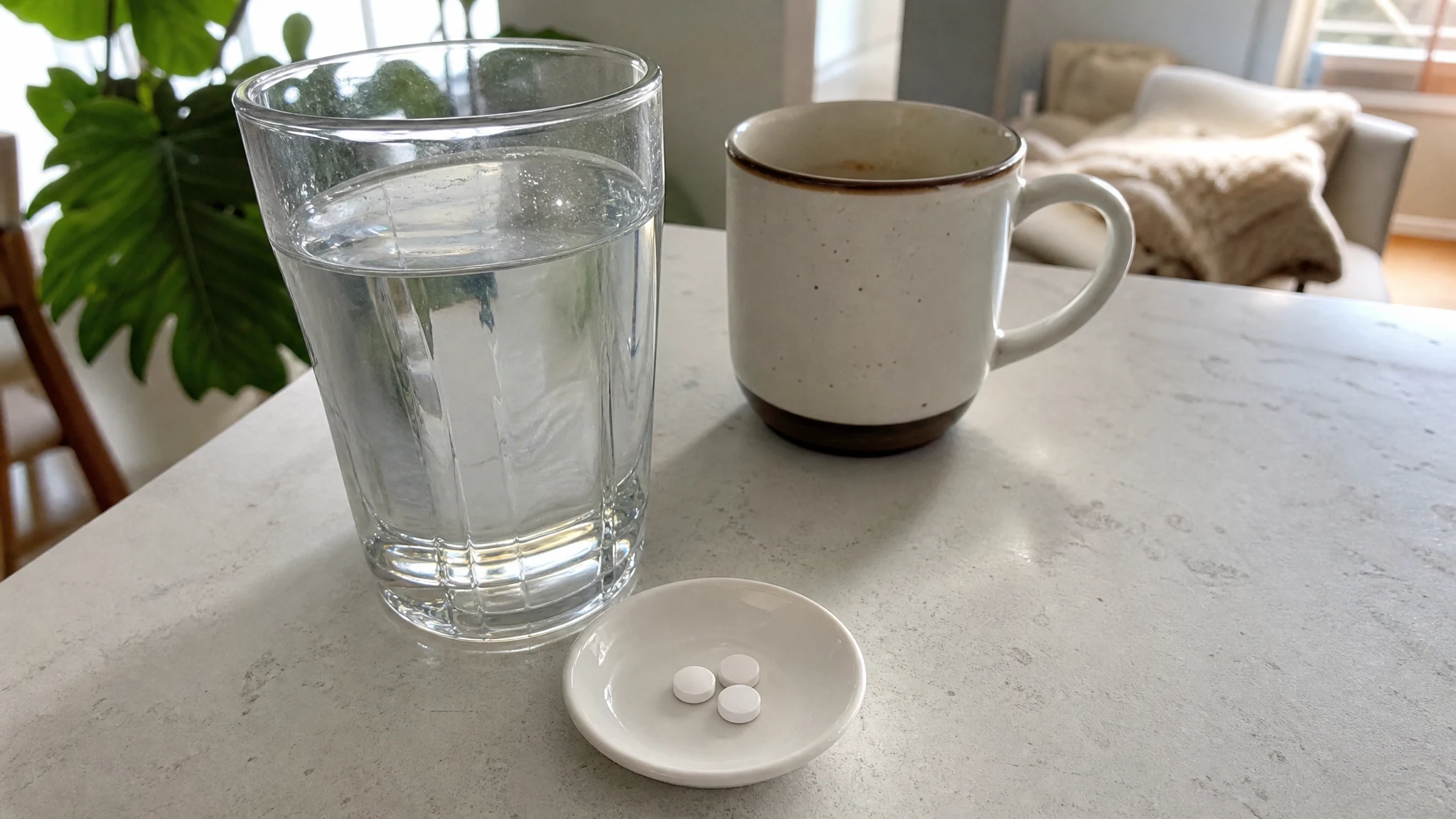
Garlic and Medications: What the Studies Cover
The garlic and medicine studies all used supplements taken by mouth. Here is what they found, why it matters, and who to ask before using any garlic.
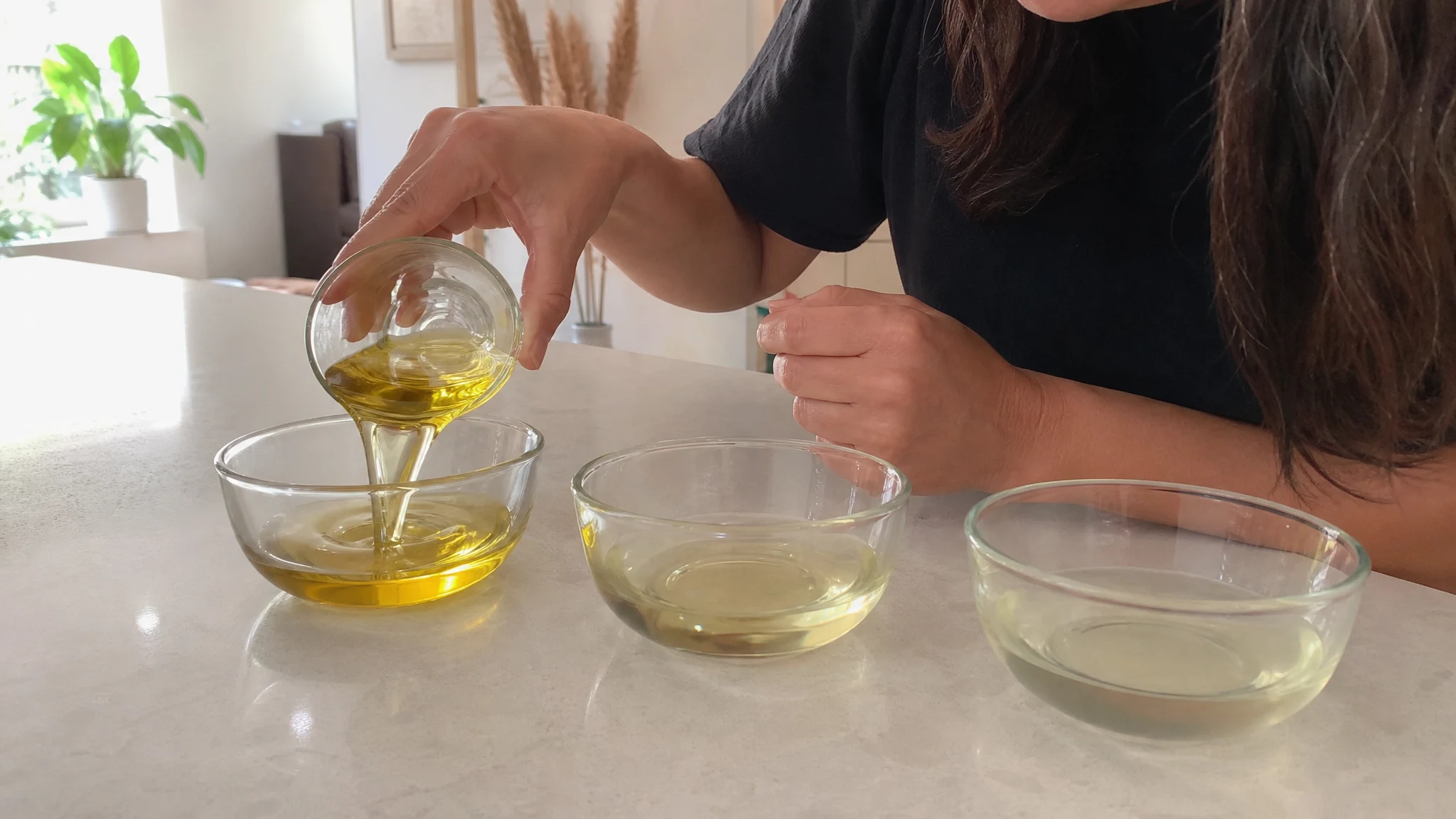
Carrier Oils for Garlic Oil: How to Choose One
Percentage and a patch test matter more than the carrier. Here are the drop counts per 30 ml, Tisserand ranges and what to look for in a base.
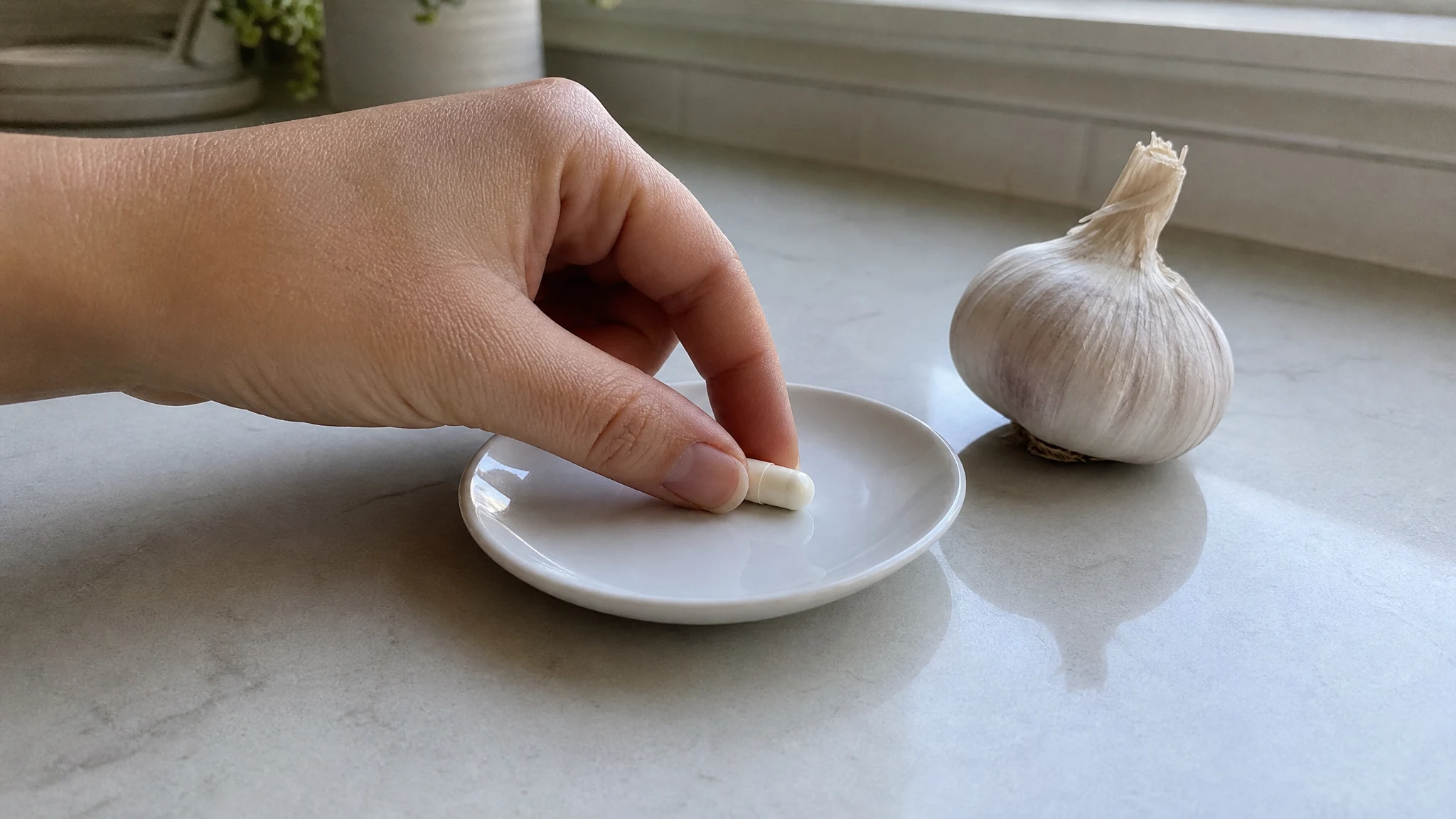
Garlic Oil vs. Aged Extract vs. Powder: What Differs
Distilled oil, aged extract and garlic powder share a plant and little else. See how each is made and why results do not transfer.

Garlic Oil Glossary: Terms You'll See on Labels
Allicin, COA, GC-MS, carrier, patch test: the words you meet when you shop for garlic oil, explained in plain English with a few worked examples.
What Does Organic Mean on a Garlic Oil Label?
Organic is a certificate with a name behind it. See how the US rule works, two exemptions, and three questions to ask any garlic oil seller.

Is It OK to Diffuse Garlic Oil? Questions to Ask First
Garlic oil is a big, lingering aroma. If you plan to diffuse it, start with one drop and good airflow, and think first about who shares the room.

Does Garlic Repel Mosquitoes? What Studies and CDC Say
Garlic has a mosquito reputation. See what two studies tested, what CDC says protects you, and the weekly habit that goes after the source.

Garlic and Ticks: What the Connecticut Yard Trial Found
A Connecticut trial found a garlic juice spray trimmed tick nymphs for a few weeks. See what it measured and what CDC puts first.
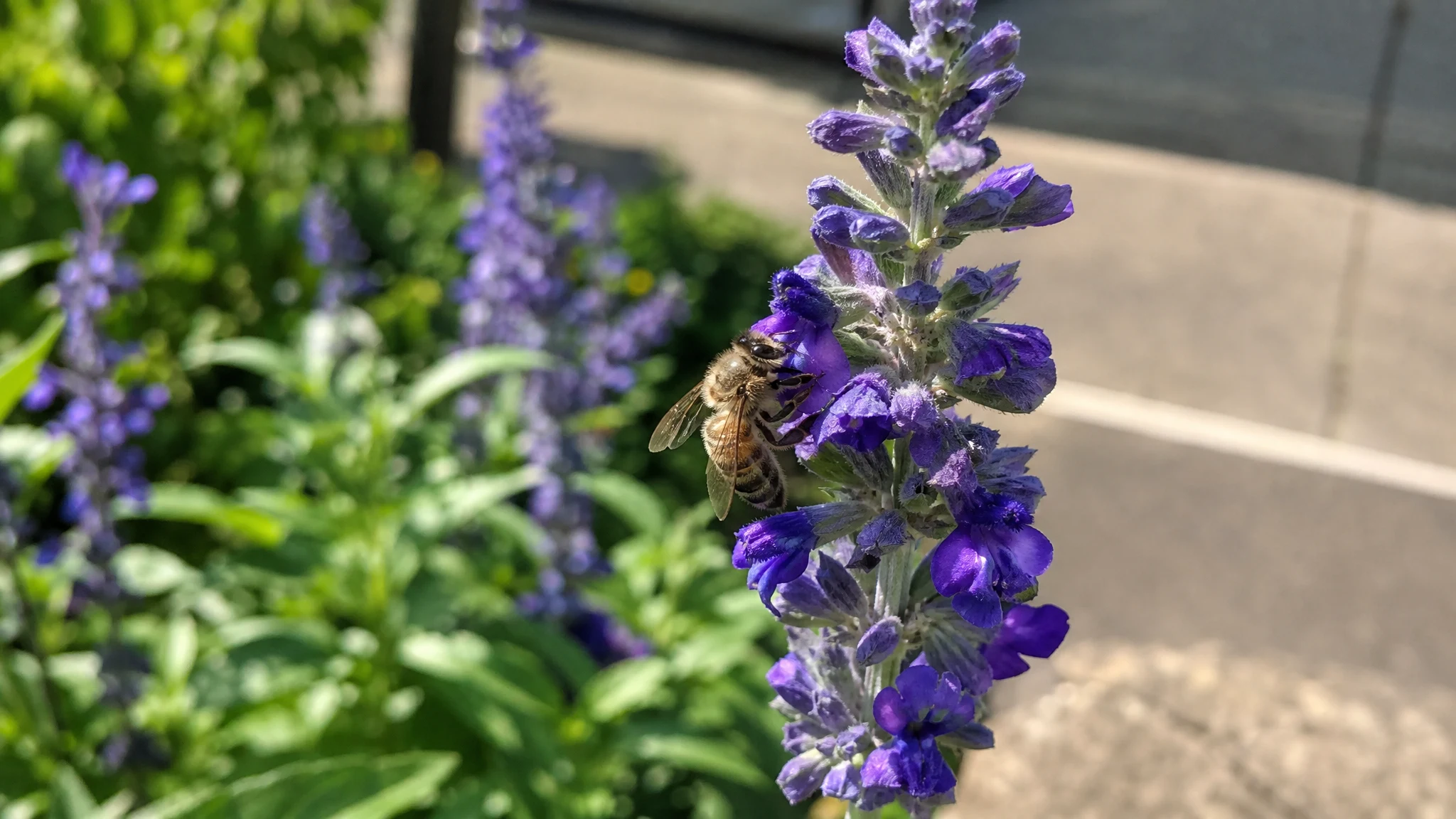
Is Garlic Spray Safe for Bees? What the Research Says
Garlic spray sounds gentle, but no study shows it is harmless to bees. What the research covers, how it compares with neem, and how to protect pollinators.
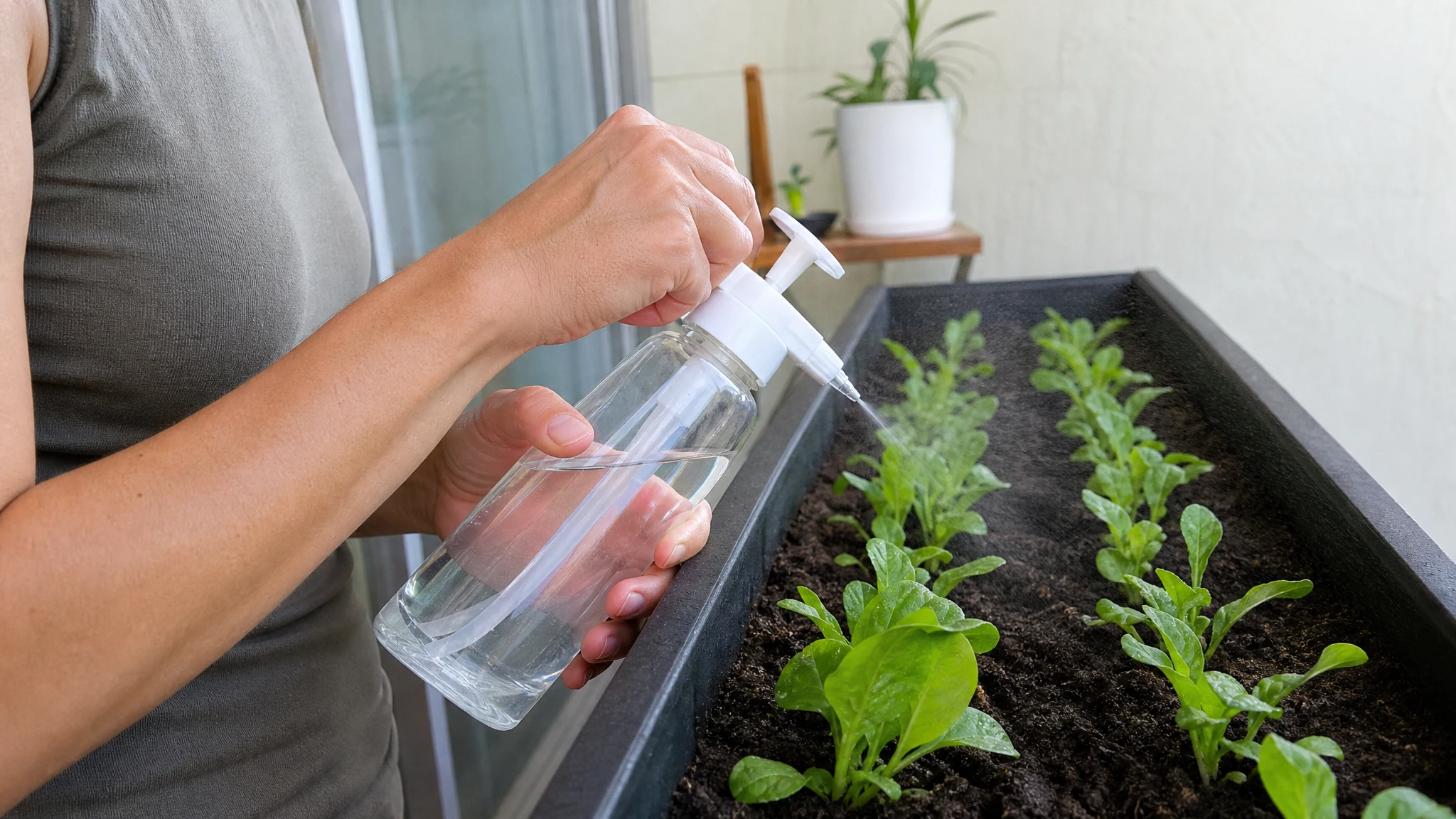
Garlic Spray and EPA Minimum Risk Rules, Explained
Garlic oil is on EPA's minimum risk list, yet exemption takes six conditions. A plain walk through them, from inert ingredients to what a label may say.
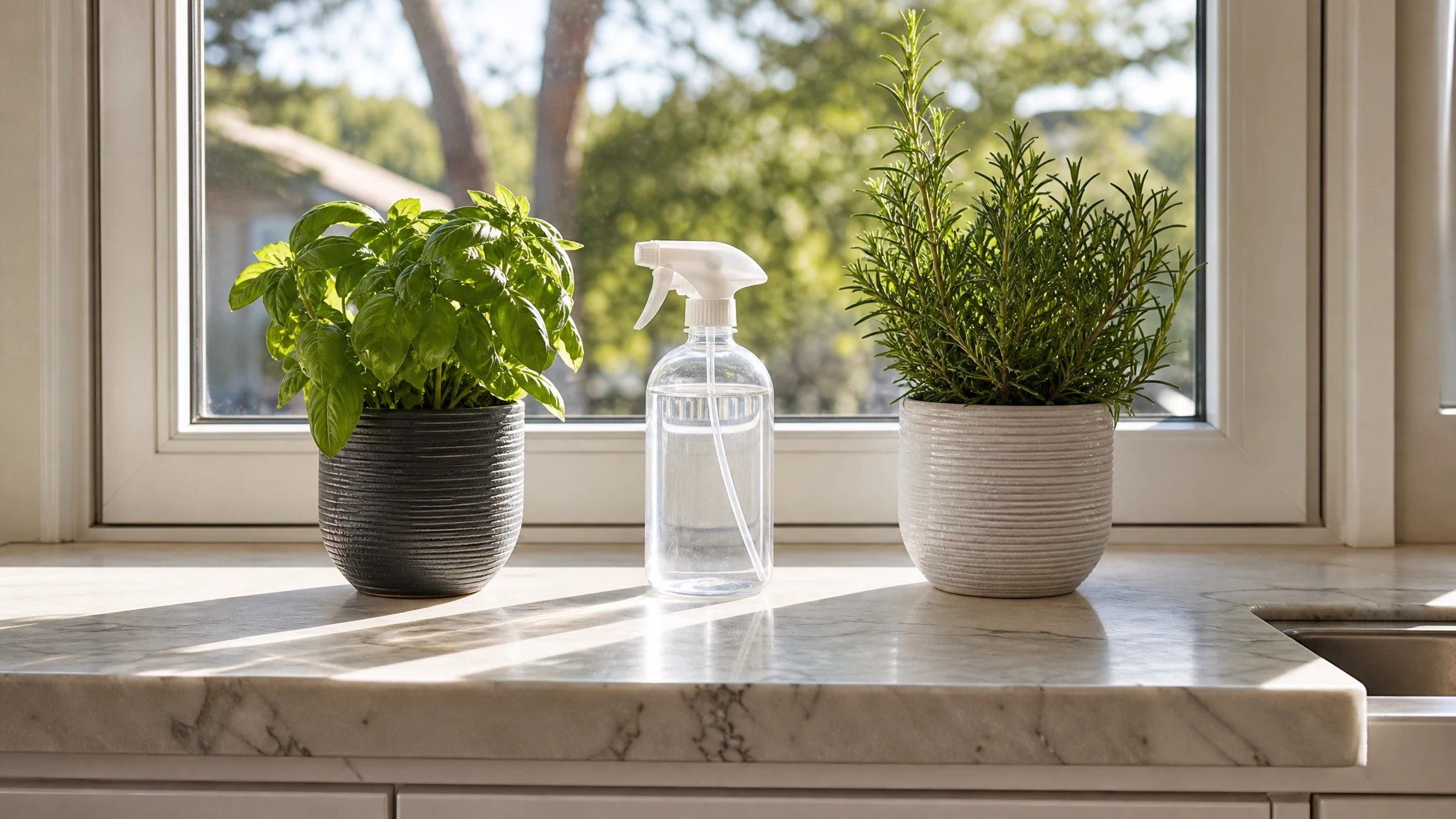
Garlic Spray vs. Neem Oil: Why the Label Matters
Neem and garlic both sound natural, but only one comes with a registered label. Here is how the two differ and how to choose for the garden.
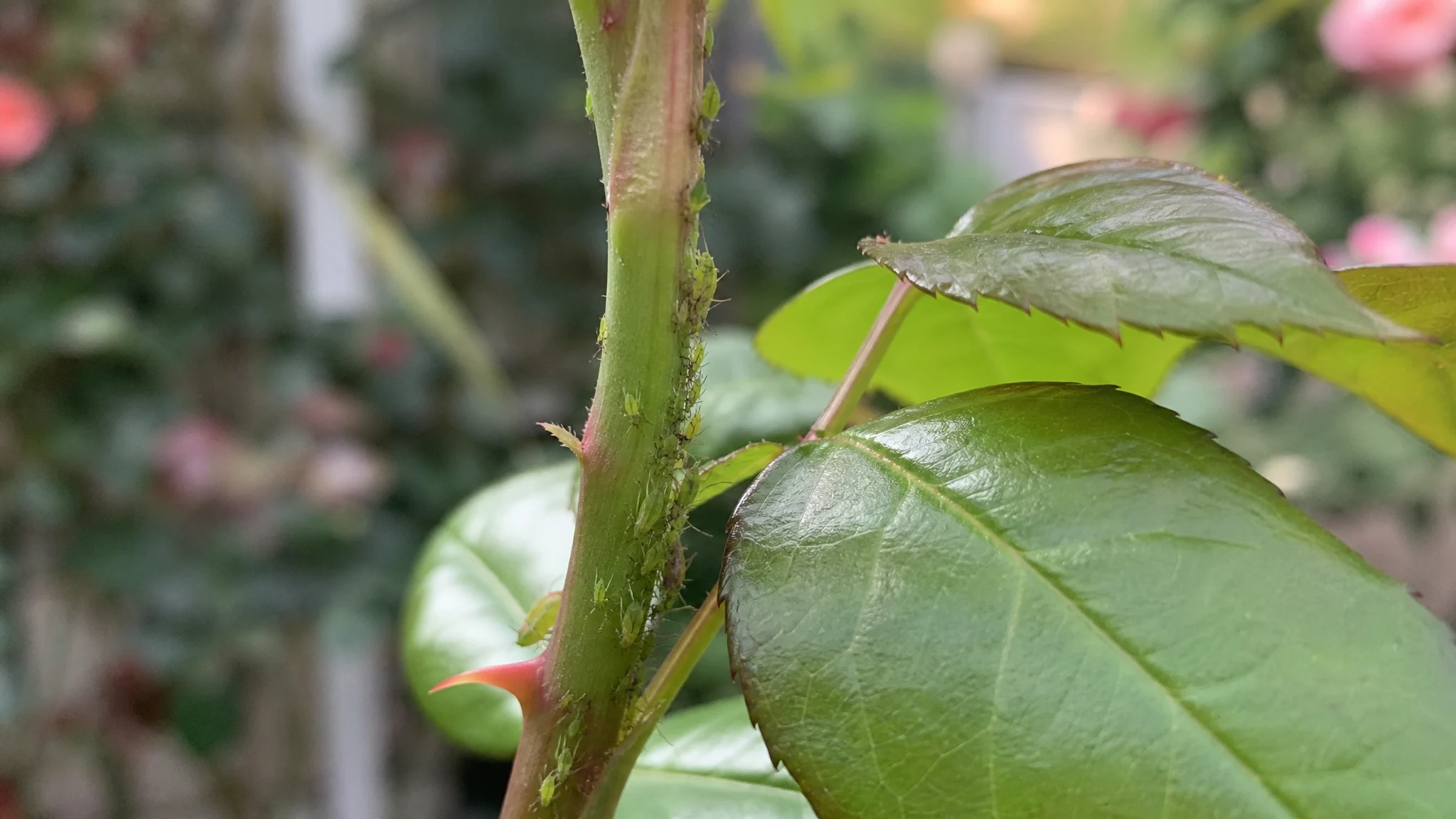
Garlic Oil for Aphids? Start With Water and Helpers
A garden hose beats most remedies for aphids. UC IPM's order of work, plus what one lab study of garlic oil on cherry aphids measured and what it left out.
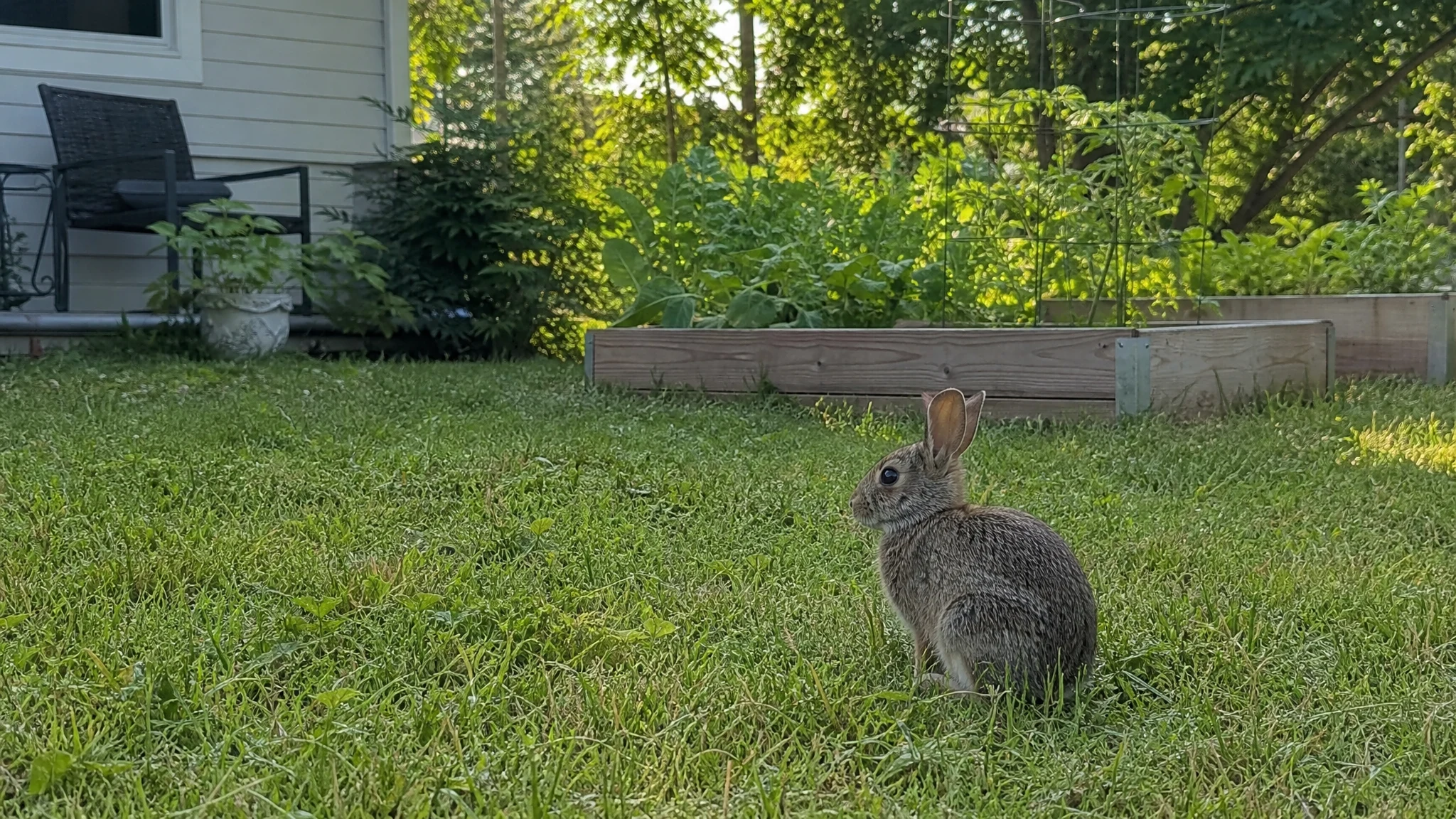
Do Deer and Rabbits Dislike Garlic? What Trials Show
Garlic gave marginal protection for 48 hours in one deer trial, while sulfur smells did well in another. The full picture, and why rabbits mean a fence.
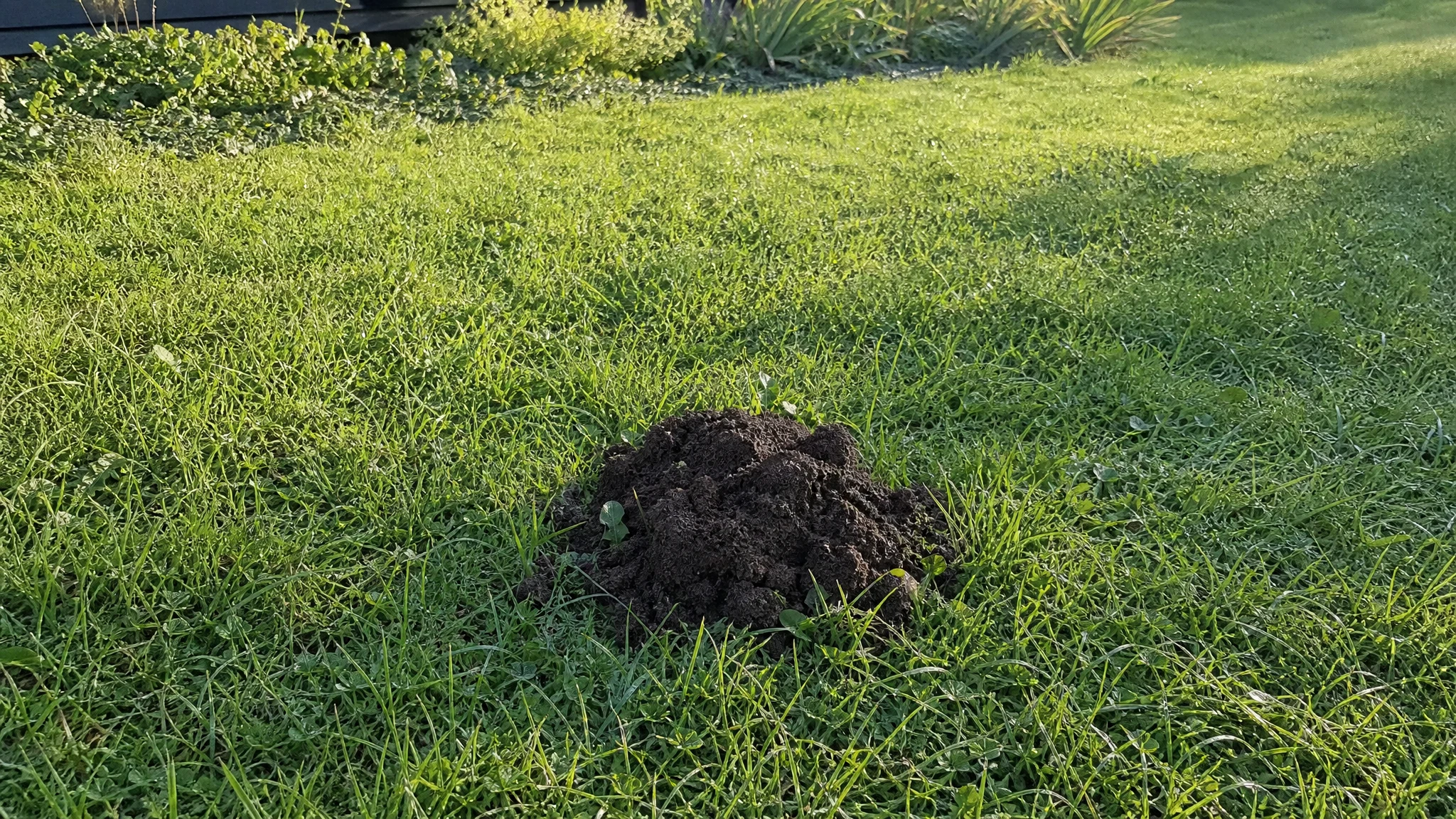
Moles and Voles: What Extension Offices Actually Recommend
Lawn ridges and gnawed roots call for detective work. See what UC extension recommends for moles and voles, and where scent remedies stand.
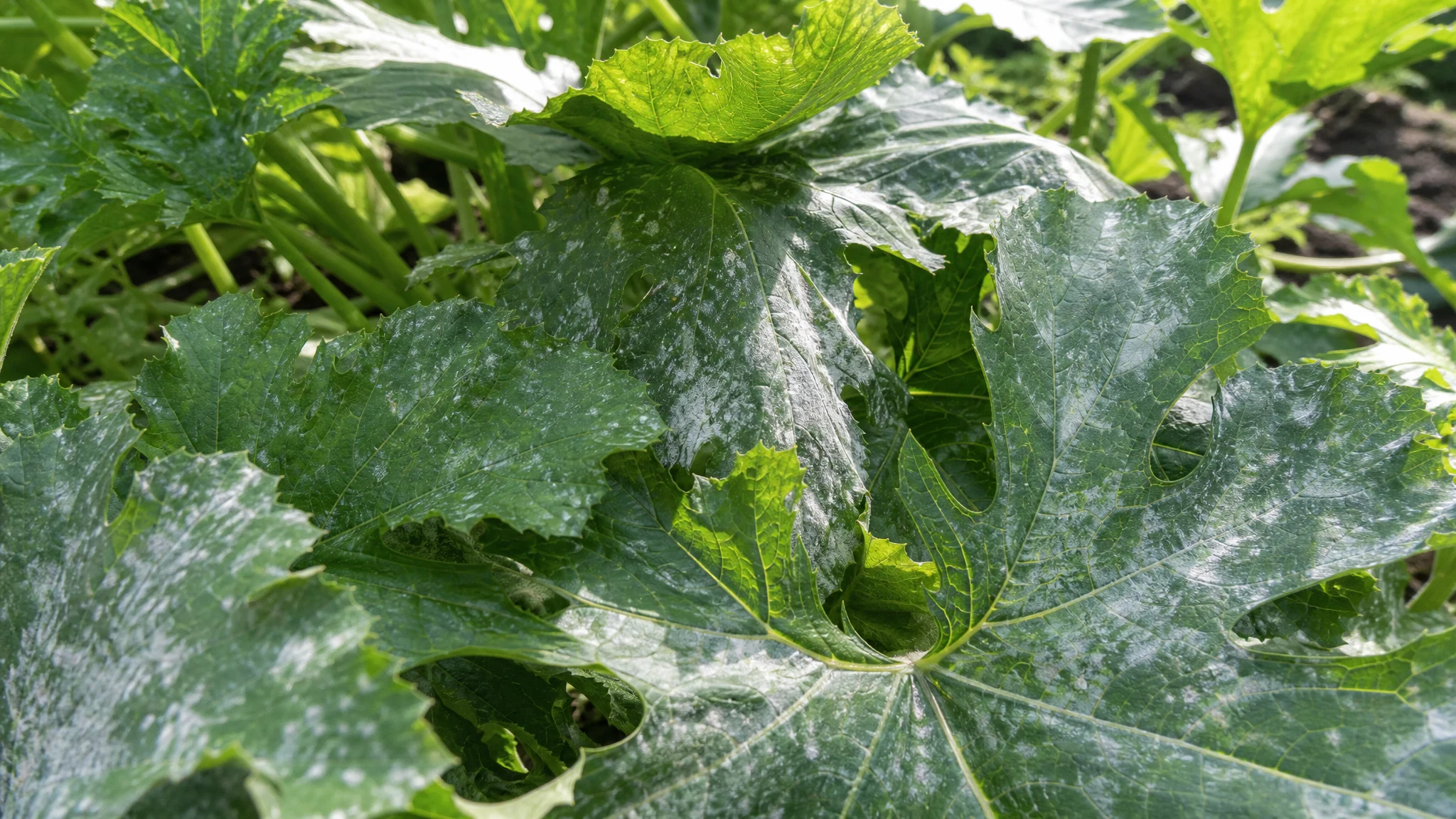
Garlic Oil for Cucumber Powdery Mildew: What One Trial Shows
A greenhouse trial put garlic oil against cucumber mildew with striking results. Here is what it did, and what UC says to do in the garden.
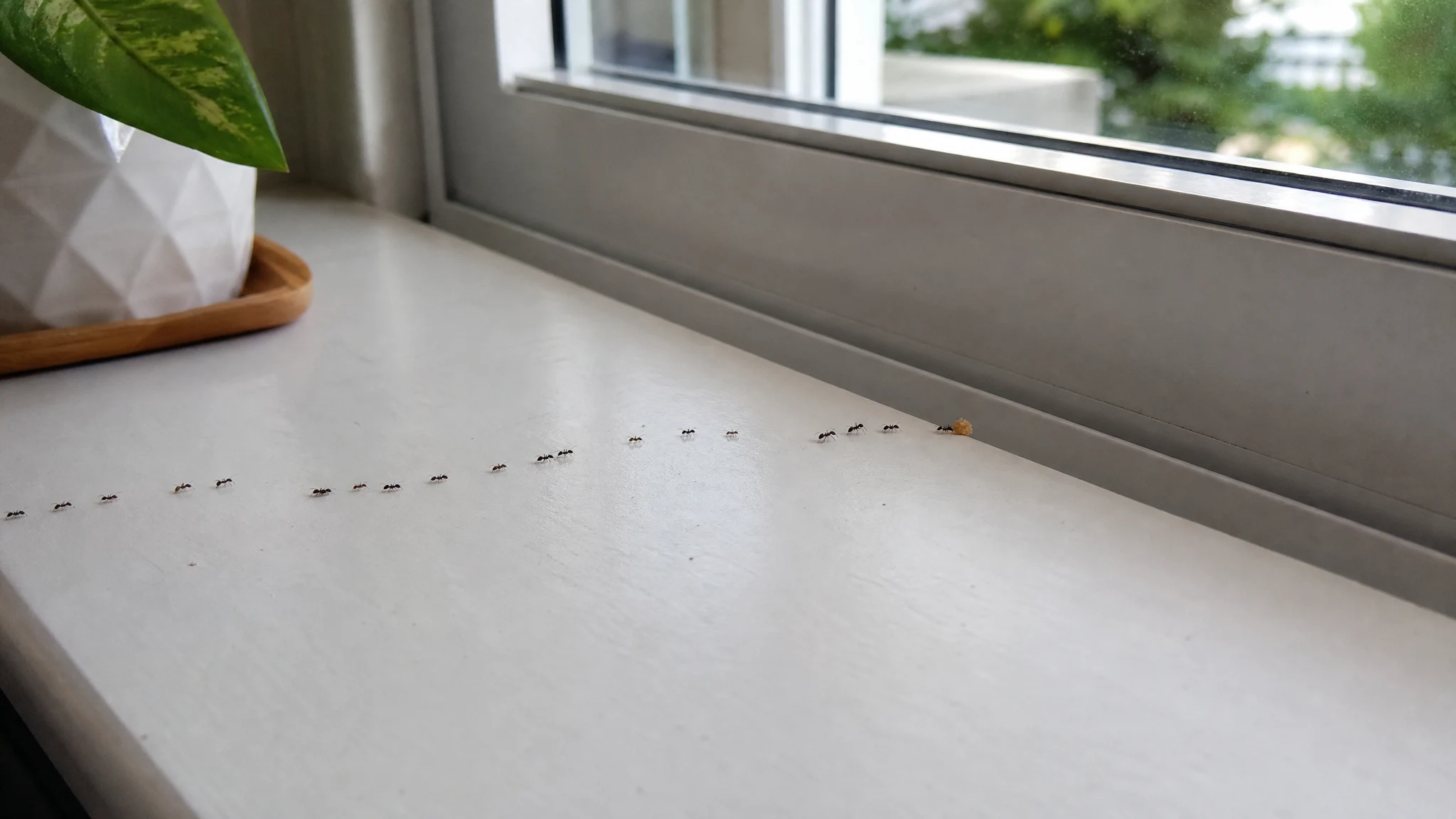
Garlic Oil for Ants? Trail, Gaps and Bait First
The University of California's ant advice starts with wiping the scent trail. Here is its order of work, a 140-foot perimeter example and a note on garlic.

Garlic Oil for Hair: What the Famous Study Really Tested
The one trial behind garlic and hair used a gel plus a steroid cream, not essential oil. Here is what it tested and why we stay careful.
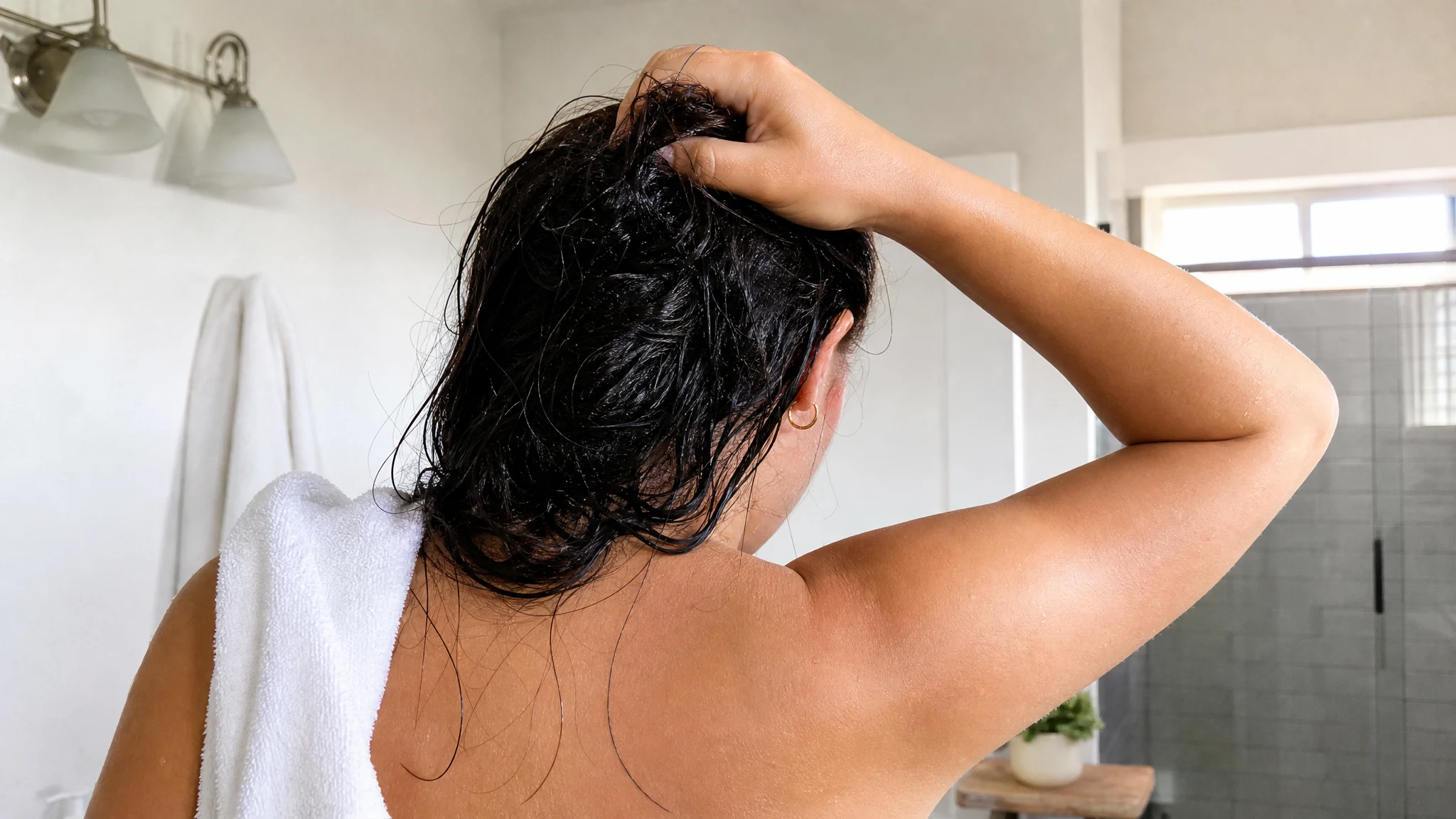
Does Garlic Help Hair? One Small Trial, Read Closely
The best-known garlic and hair study used a gel, not an oil, and a steroid cream in both groups. A calm look at what it tested and what it leaves open.
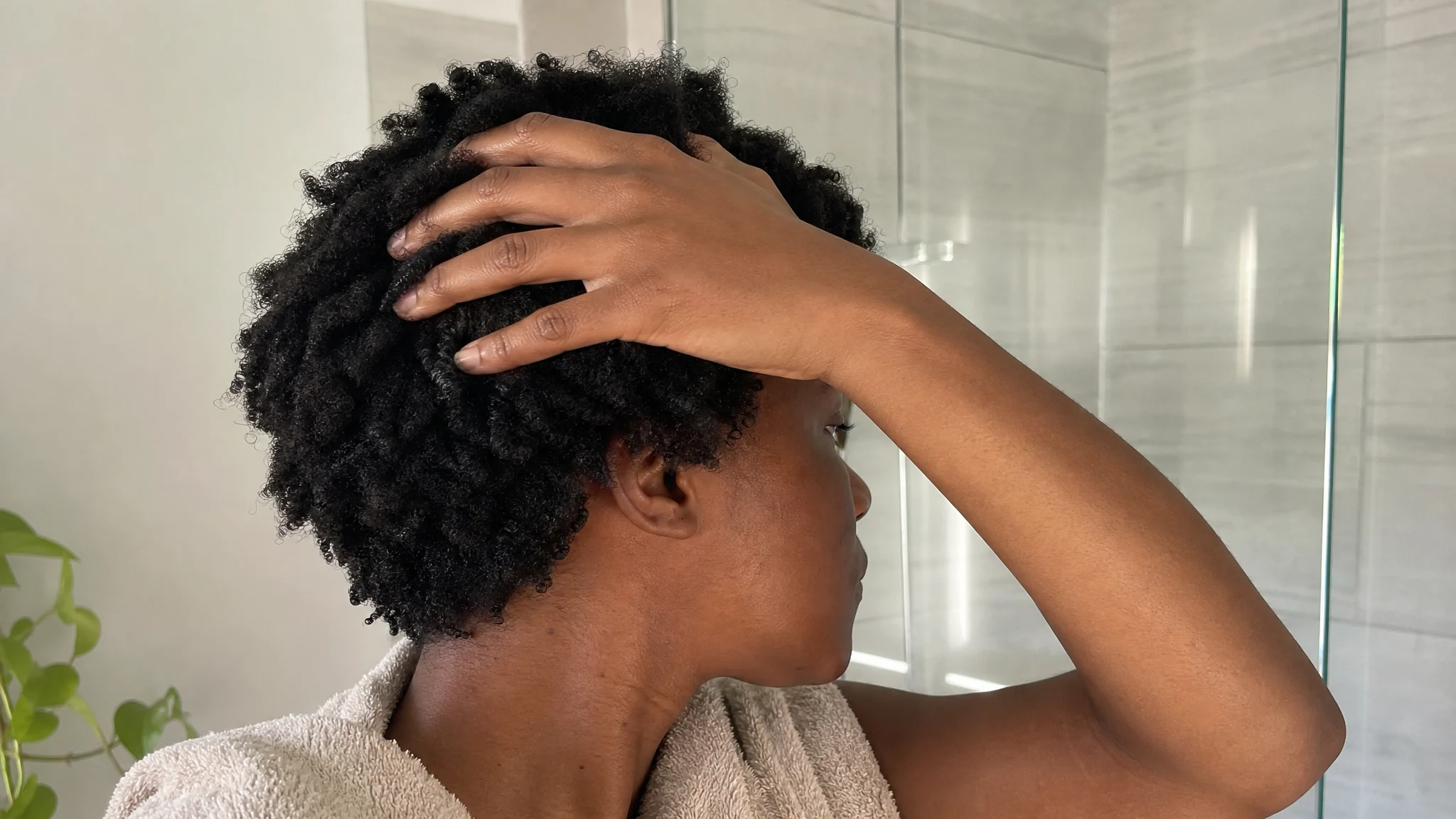
Flaky Scalp? Why Shampoo Comes Before Garlic Oil
Flakes and itch have a well-worn first step, and it is not garlic. A dermatology group's shampoo advice, and why a pungent oil is a poor fit for a scalp.
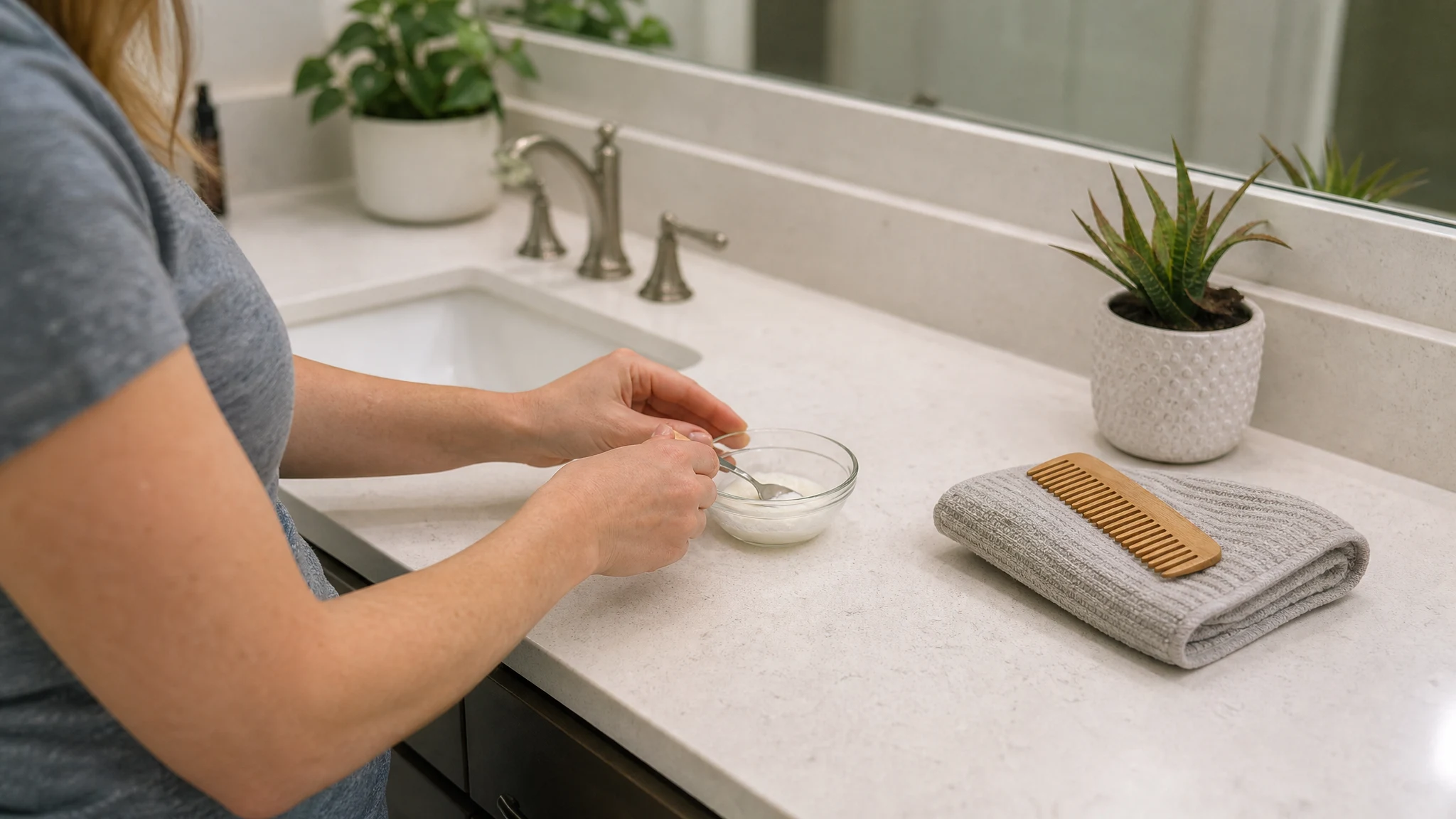
Garlic Oil Hair Mask: How Much to Use and How to Test
Garlic oil is bold, lingering and strong. To scent a rinse-off hair oil with it, here is the dilution maths and how to patch test first.
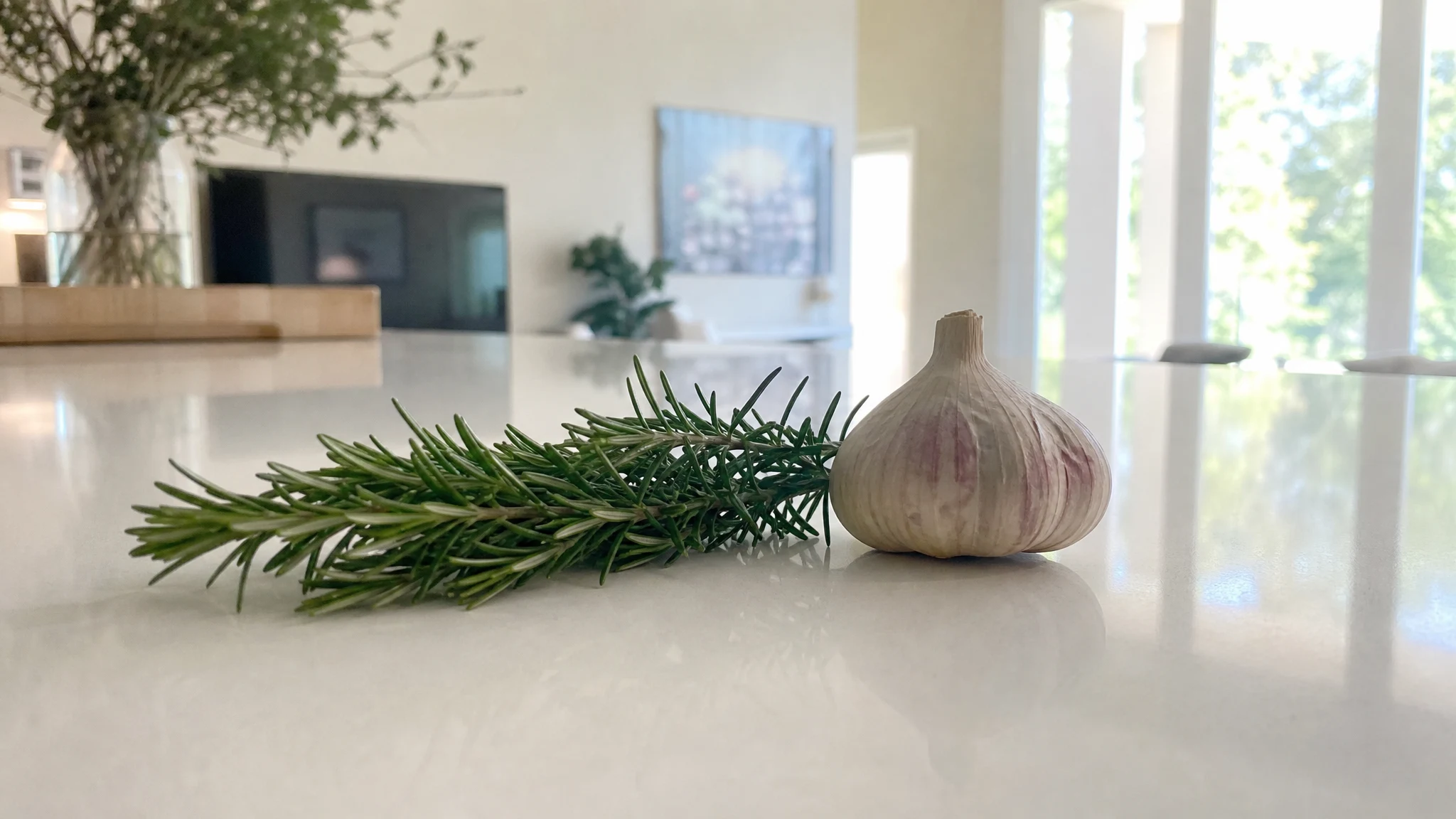
Garlic Oil vs Rosemary Oil for Hair: Two Different Studies
Two hair studies, one on garlic and one on rosemary, asked different questions. Here is why neither can be crowned and how we handle garlic oil.
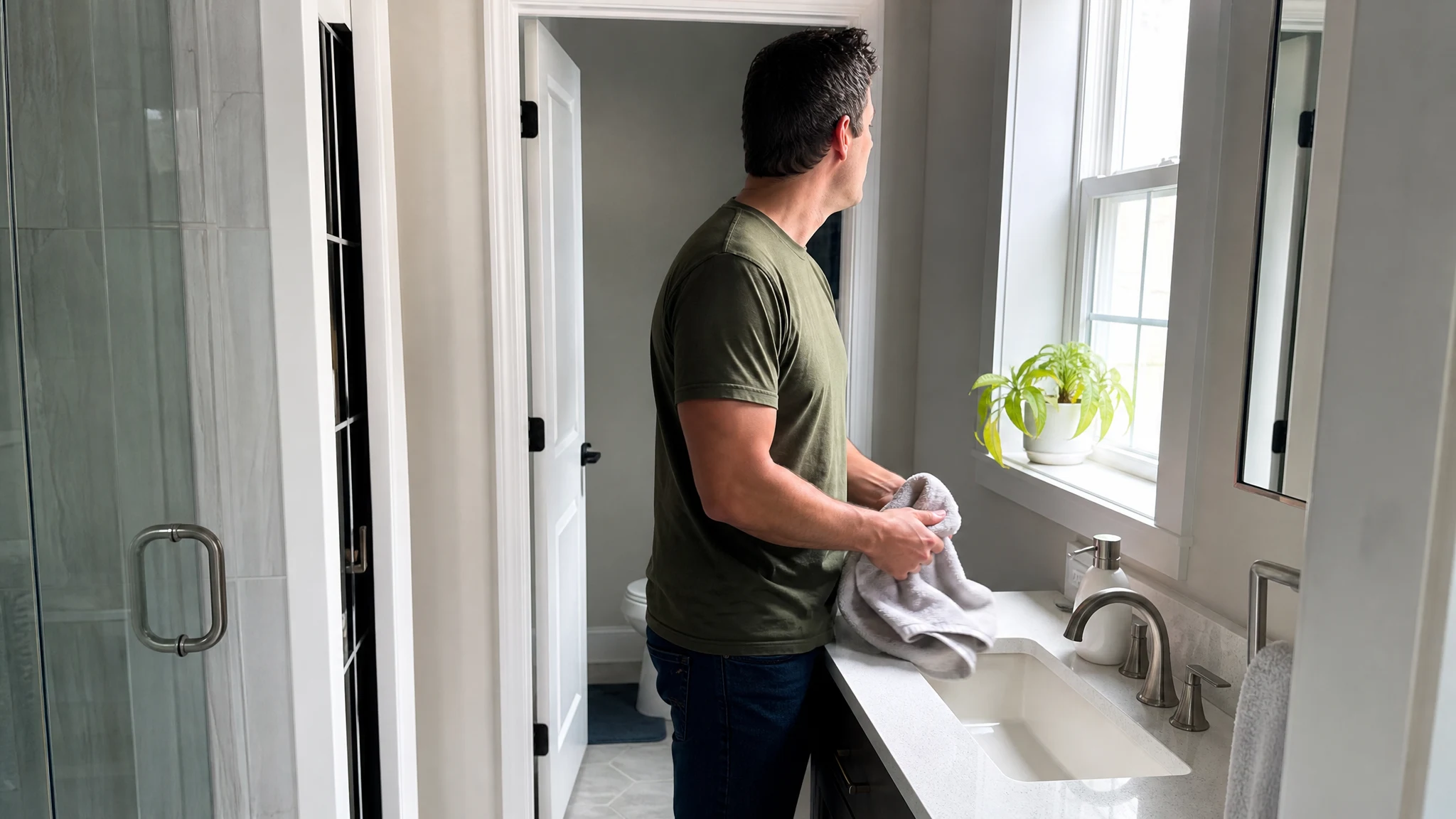
Garlic Oil on Skin: A Careful Step-by-Step Approach
Garlic and skin do not make an easy pair. Here is a five-step decision order, our dilution guidance and what the research really studied.
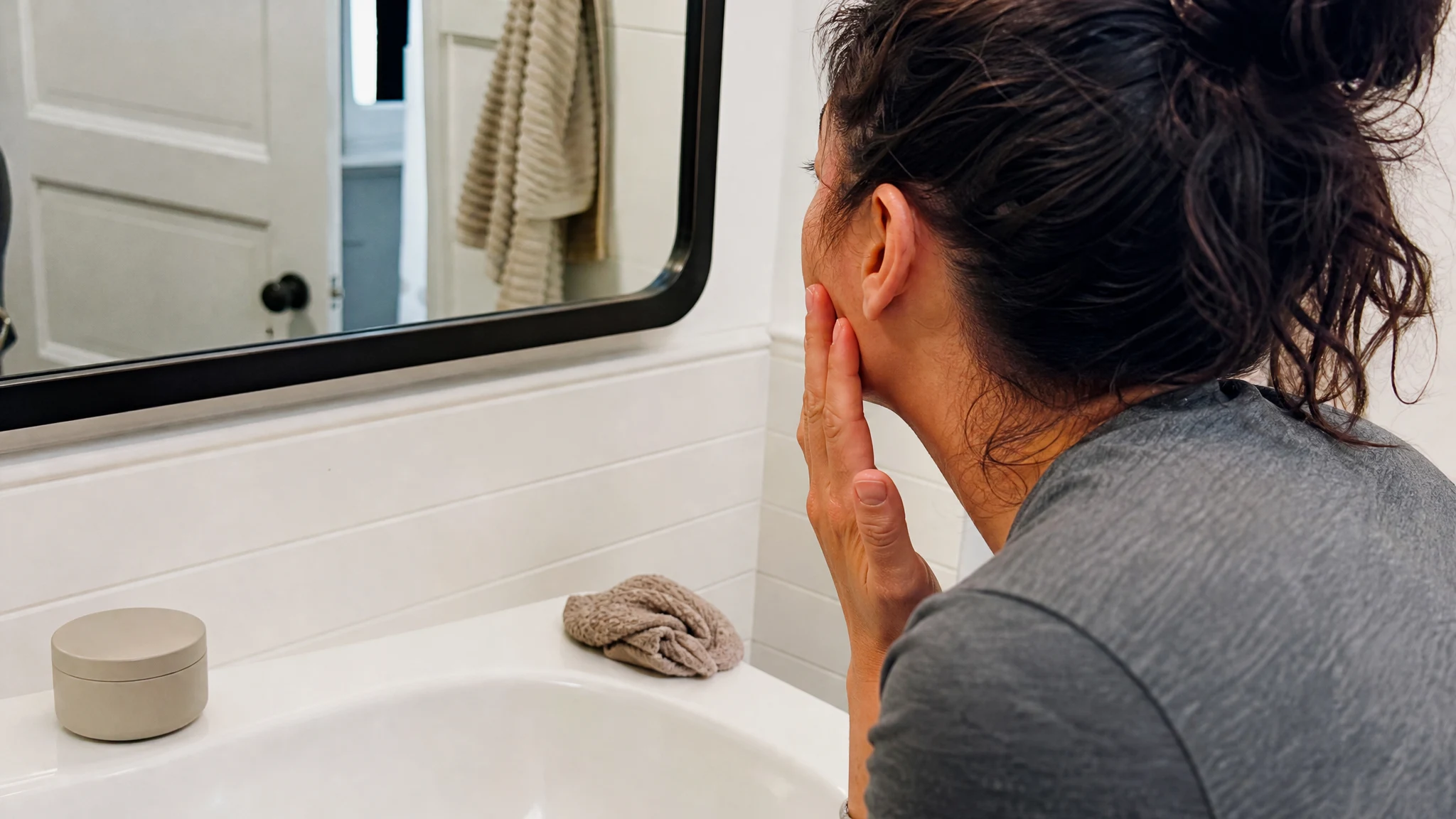
Garlic for Acne? Why a Dermatologist Comes First
Garlic masks get passed around as an acne fix. What dermatologists actually recommend, what case reports say about raw garlic on faces, and our own advice.

Garlic for Athlete's Foot? The Ajoene Trial Explained
One small trial tested ajoene, a compound found in garlic, on athlete's foot. Here is what it found, and why that is not the same as garlic oil.
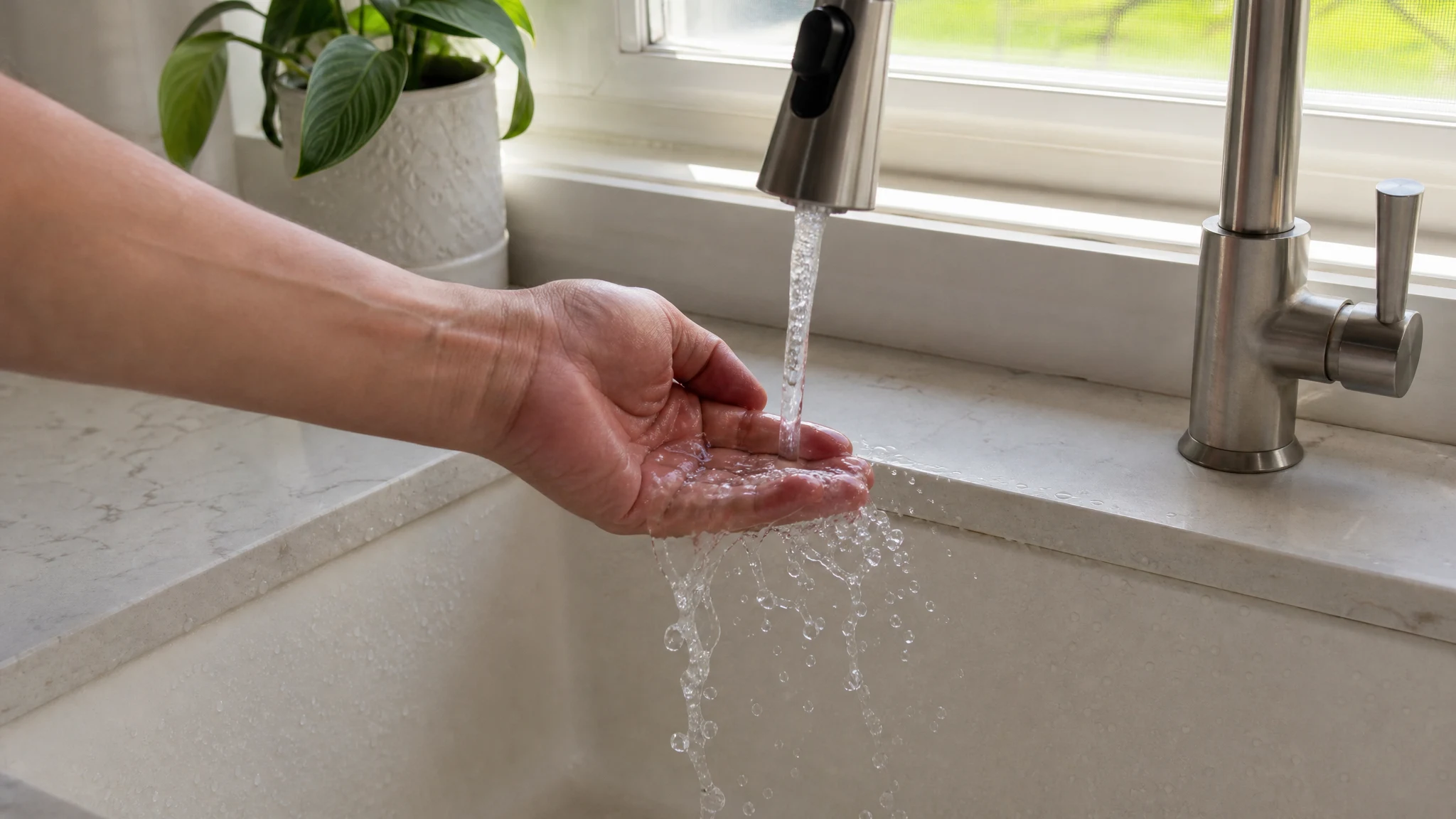
Can Garlic Burn Your Skin? What the Case Reports Show
A garlic poultice left on for hours can leave blisters. What the case reports show, why it happens, and what poison centers say to do straight away.
Garlic on Warts: What the One Trial Does and Doesn't Show
Most warts clear on their own, which makes every home remedy look good. A closer look at the one garlic wart trial, and what it did not use.
Garlic on Cuts and Wounds: Lab Dish vs Real Skin
Allicin can stop bacteria growing in a lab dish, which is where the garlic-on-a-cut idea comes from. Here is why a dish and a cut are not the same.
Tea Tree vs Garlic for Foot Fungus: What Trials Tested
Tea tree oil and garlic come up for foot fungus, but the trials tested very different things. What they showed and what to do first.

Garlic Oil Benefits: Why Studies on Pills Do Not Apply
Most garlic research used capsules or food, not essential oil. Here is how to read it, and what a bottle of garlic oil is genuinely good for.
Garlic Lab Studies: What Petri Dish Results Mean
Garlic shows activity against microbes in the lab, yet 'garlic' means several different things in these papers. What was tested and where it stops.

Garlic and Colds: Why the Famous Trial Has Two Numbers
One trial of a garlic supplement sits behind the cold claims. We untangle its two conflicting numbers and what it cannot tell us about an essential oil.
Garlic and Heart Health Research: What It Does Not Cover
Heart studies on garlic used tablets and extracts taken by mouth, never essential oil. What the pooled trials reported, in plain English.
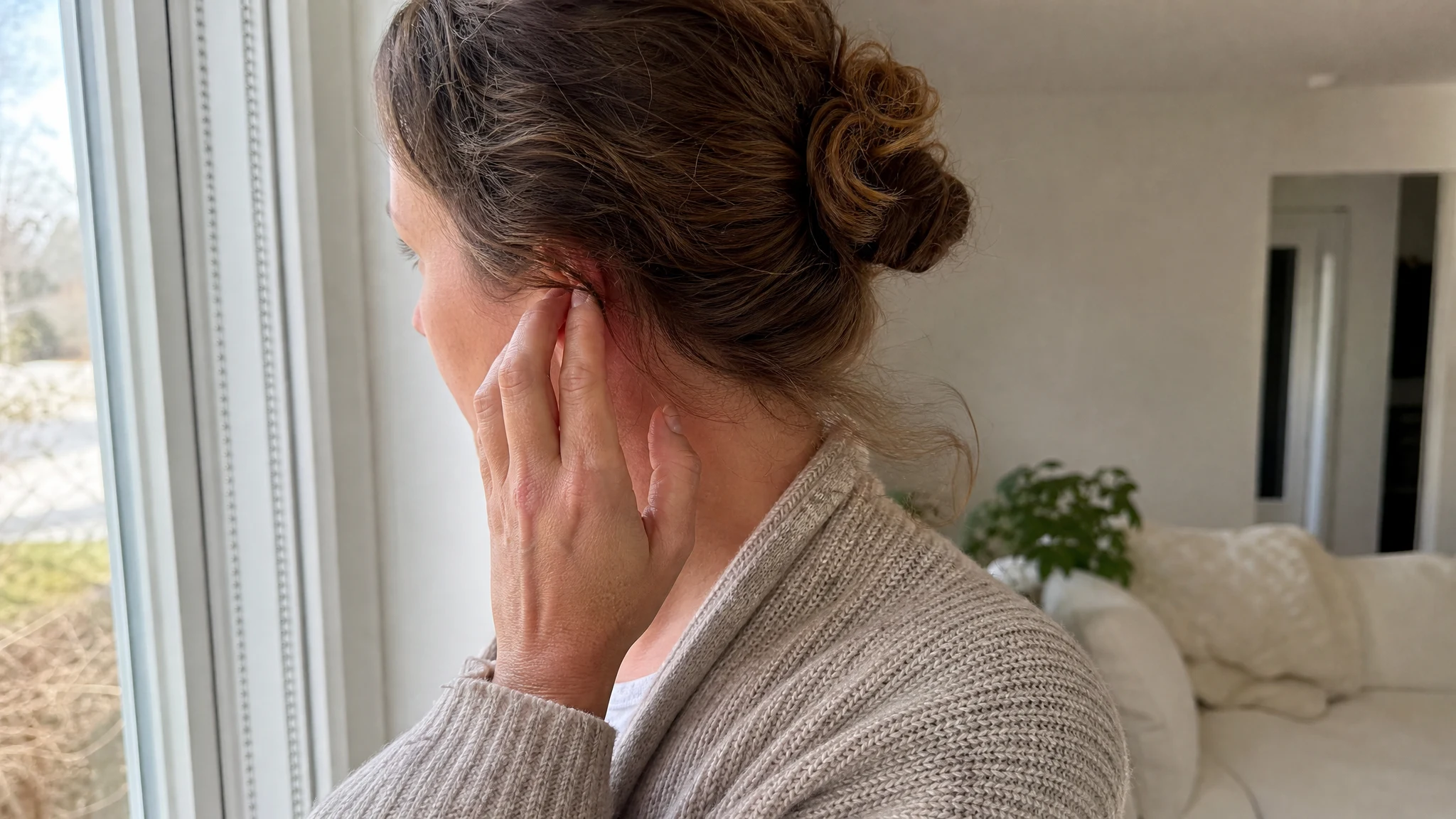
Garlic Ear Drops: What the Children's Trials Tested
Garlic ear drops have a research trail, but it leads to a four-herb oil and a pain score in children. Here is what those trials really measured.
Garlic for a Toothache? Why a Dentist Is the Better Call
A sore tooth deserves a dentist. See the warning signs MedlinePlus lists and what case reports say about raw garlic on soft tissue.
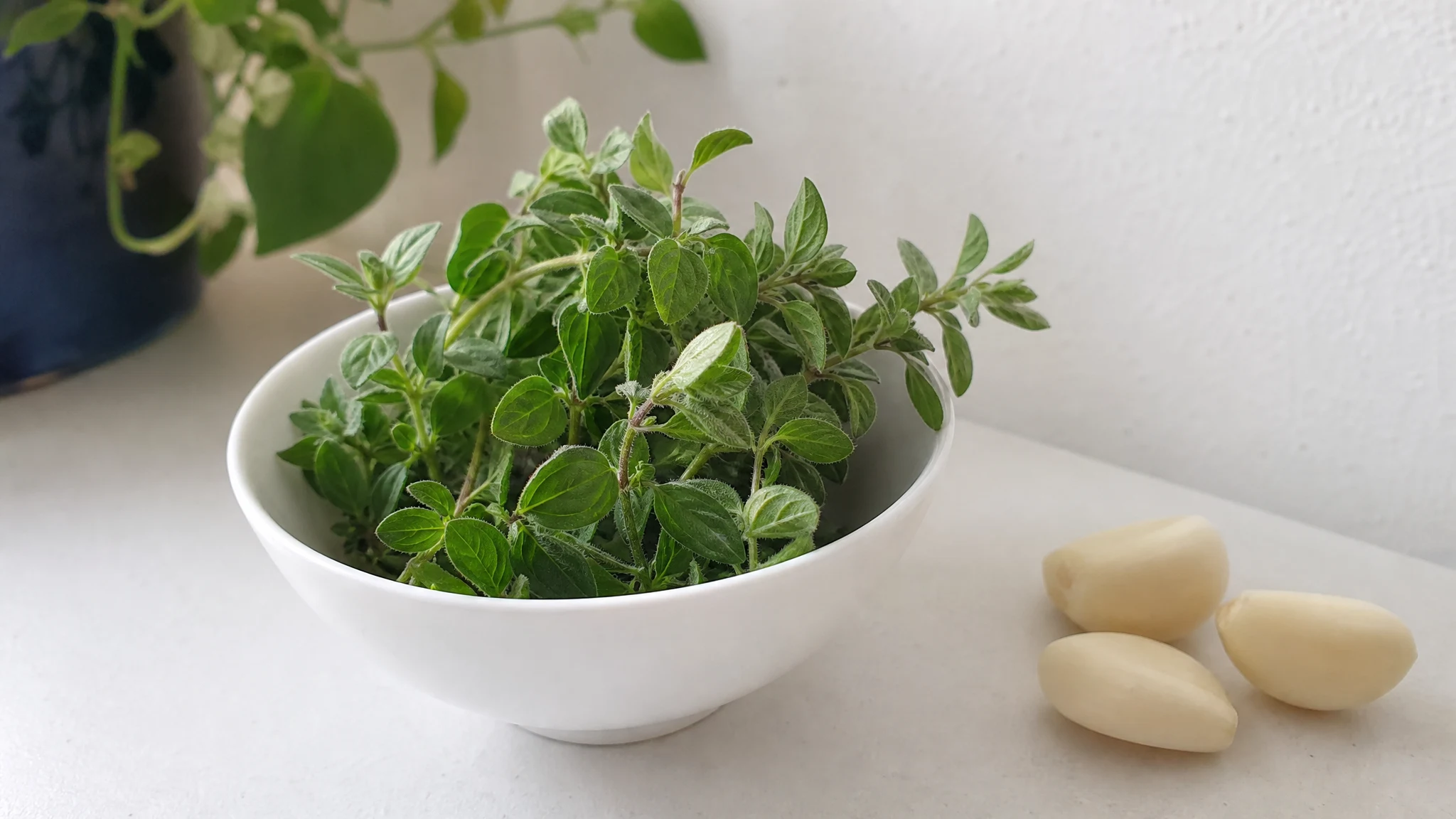
Garlic Oil vs Oregano Oil: Two Very Different Strong Oils
Oregano oil and garlic oil are both strong, but built from different chemistry. A plain-English look at how they differ and what lab numbers mean.

Garlic as Fishing Scent: What Rules and Research Say
Anglers swear by garlic scent, but what has research measured, and what do the rules say? One feed study, one state's wording and a note on our oil.
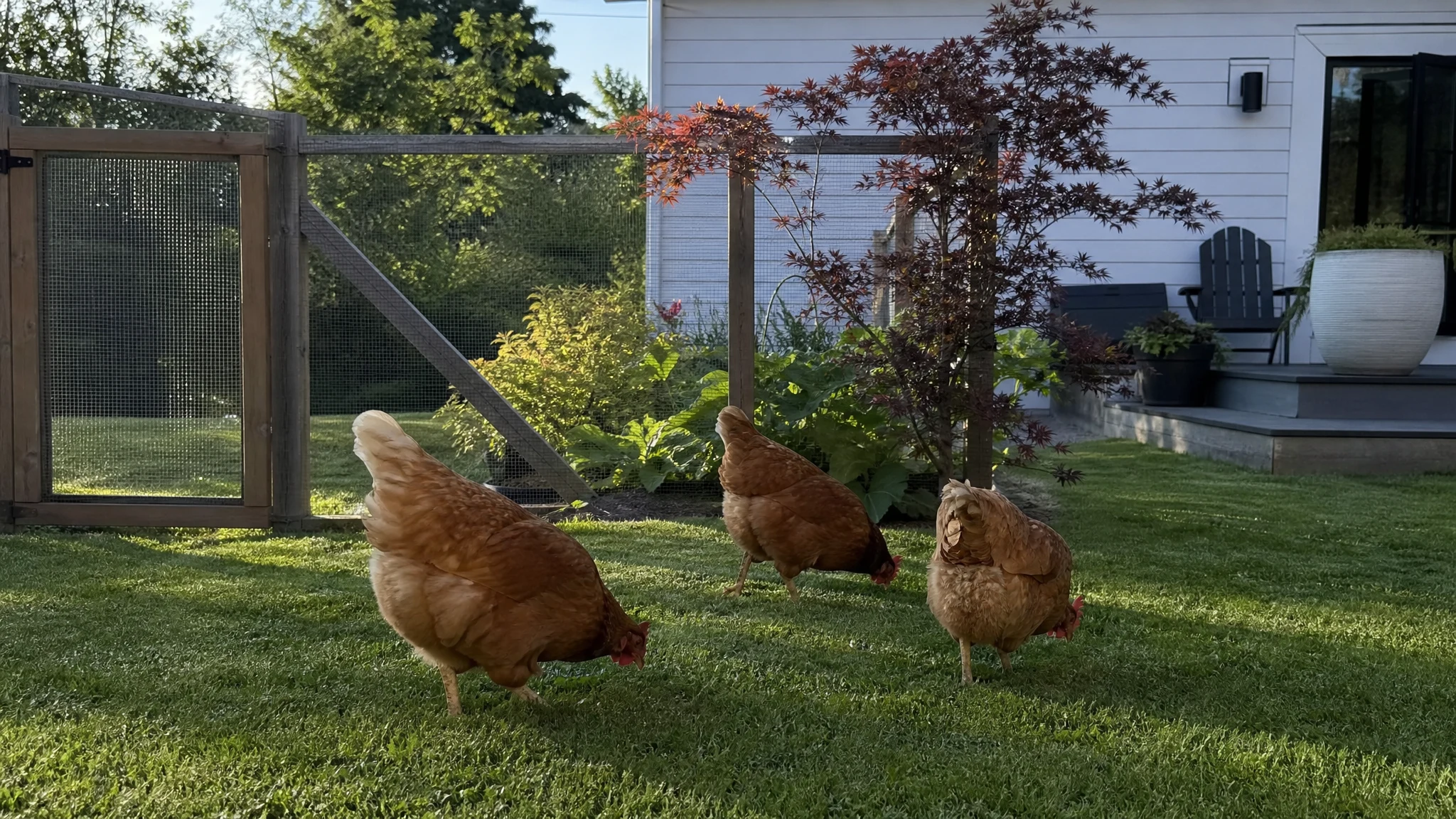
Garlic and Backyard Chickens: What Feed Studies Used
Every poultry study on garlic used powder or a mixed feed ingredient, never essential oil. A plain-English look at what was fed, and what it means.

Garlic for Horses: What One Feeding Study Found
Horses will happily eat enough garlic to harm their red blood cells. Here is what the one feeding study found and what it means for the feed room.
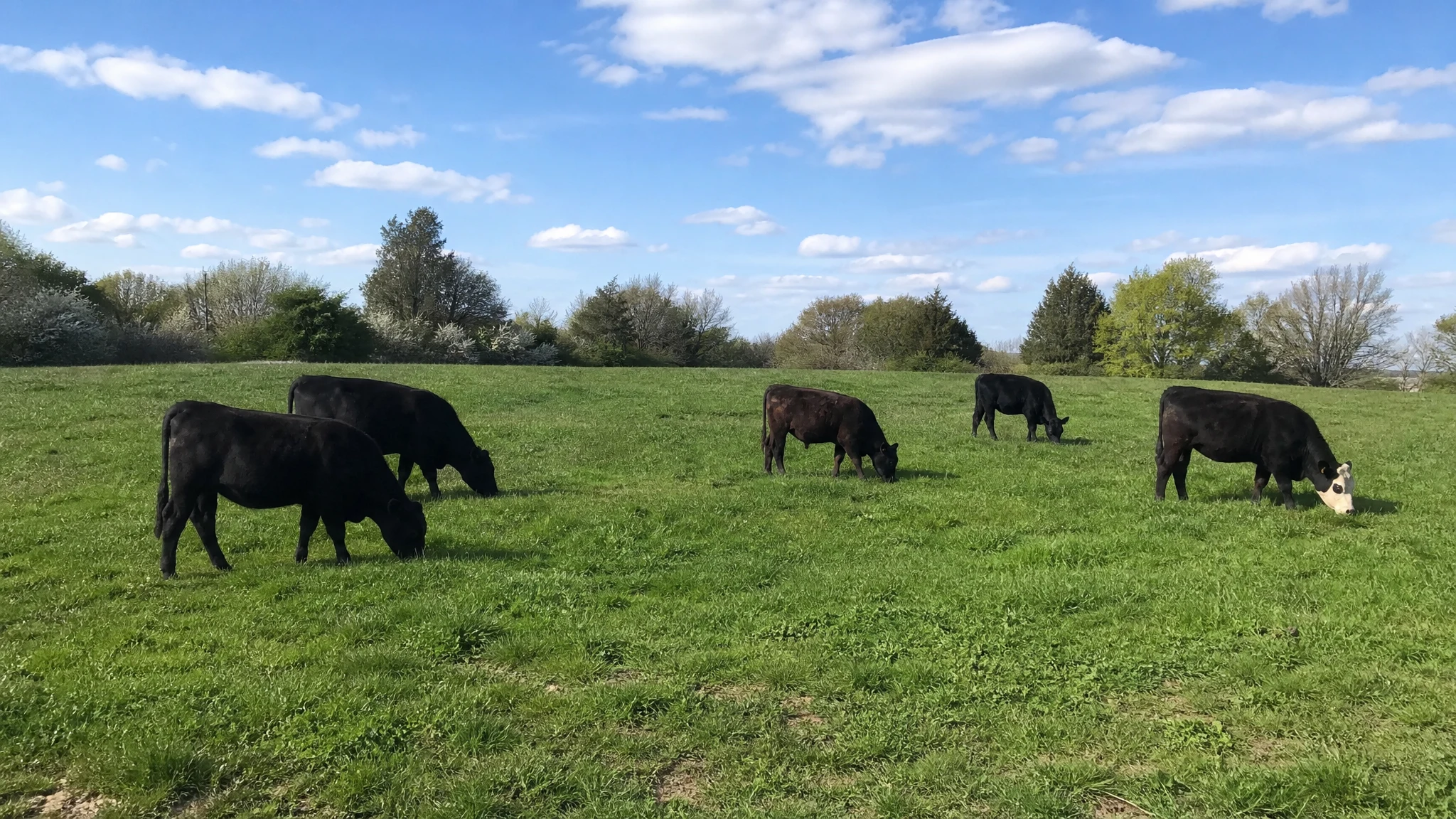
Garlic Oil and Cattle Methane: Lab Flask vs. Real Animal
Garlic oil slashed methane in lab rumen cultures, then did nothing in sheep. Here is how the studies line up, and why the gap matters.
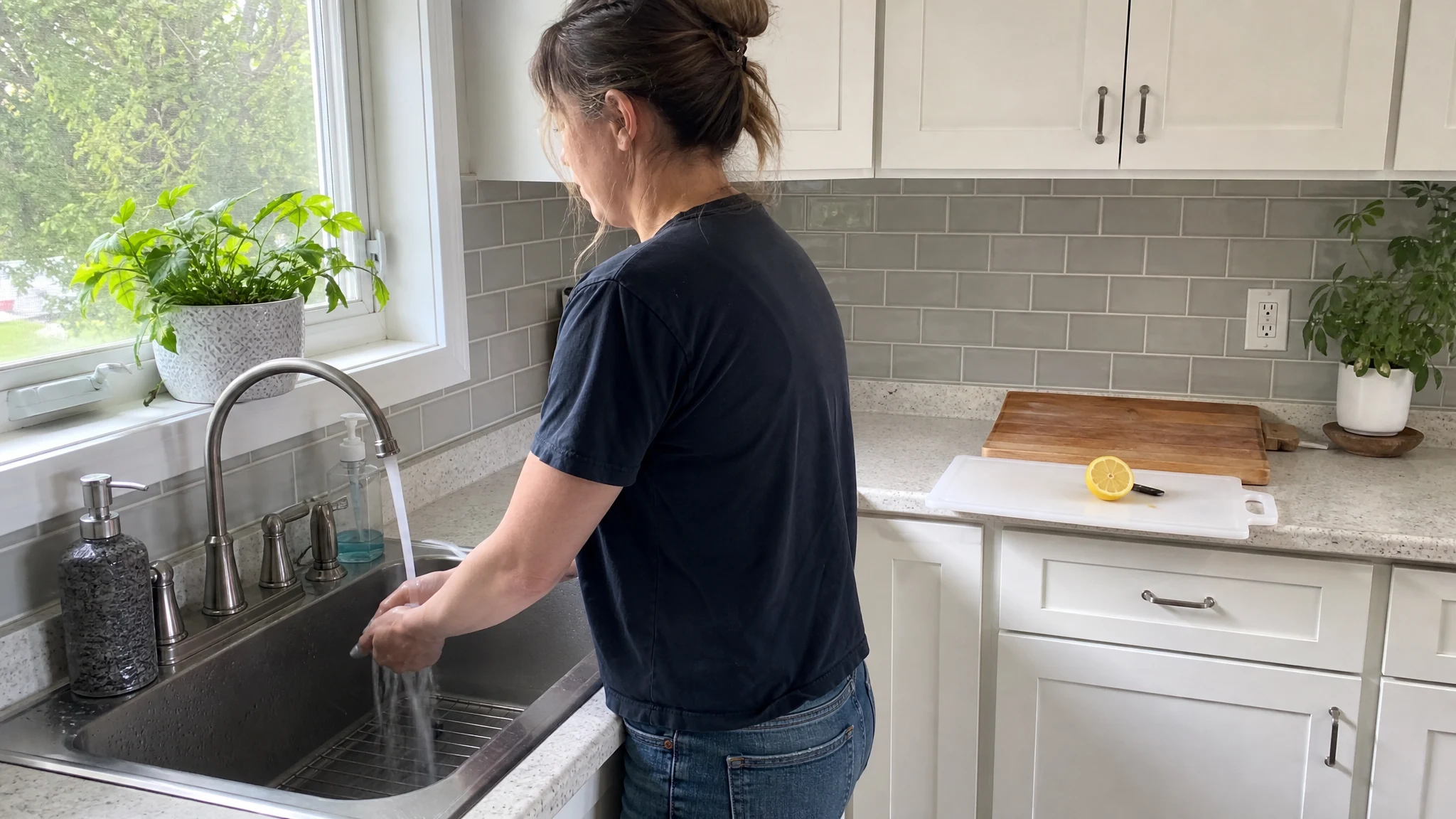
How to Get Garlic Smell Off Hands, Boards and Cloth
Garlic smell is stubborn, so order matters. Rinse the oil off first, then reach for the remedies that did best in a kitchen test, and use a separate tray.
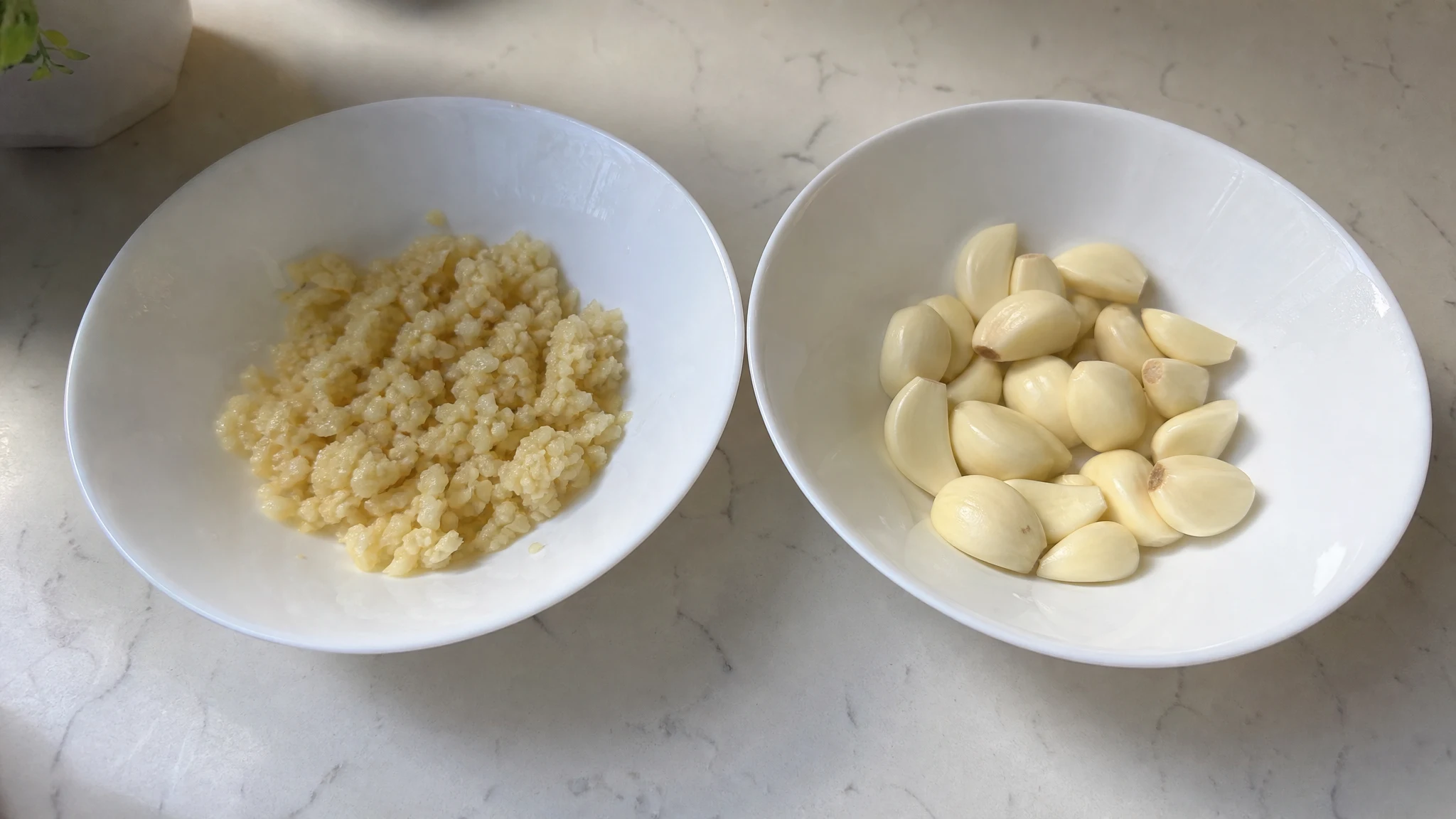
Steam vs CO2 Garlic Oil: What the Studies Found
Is CO2 extracted garlic oil better than steam distilled? What four studies found on yield and profile, and the questions worth asking a seller.
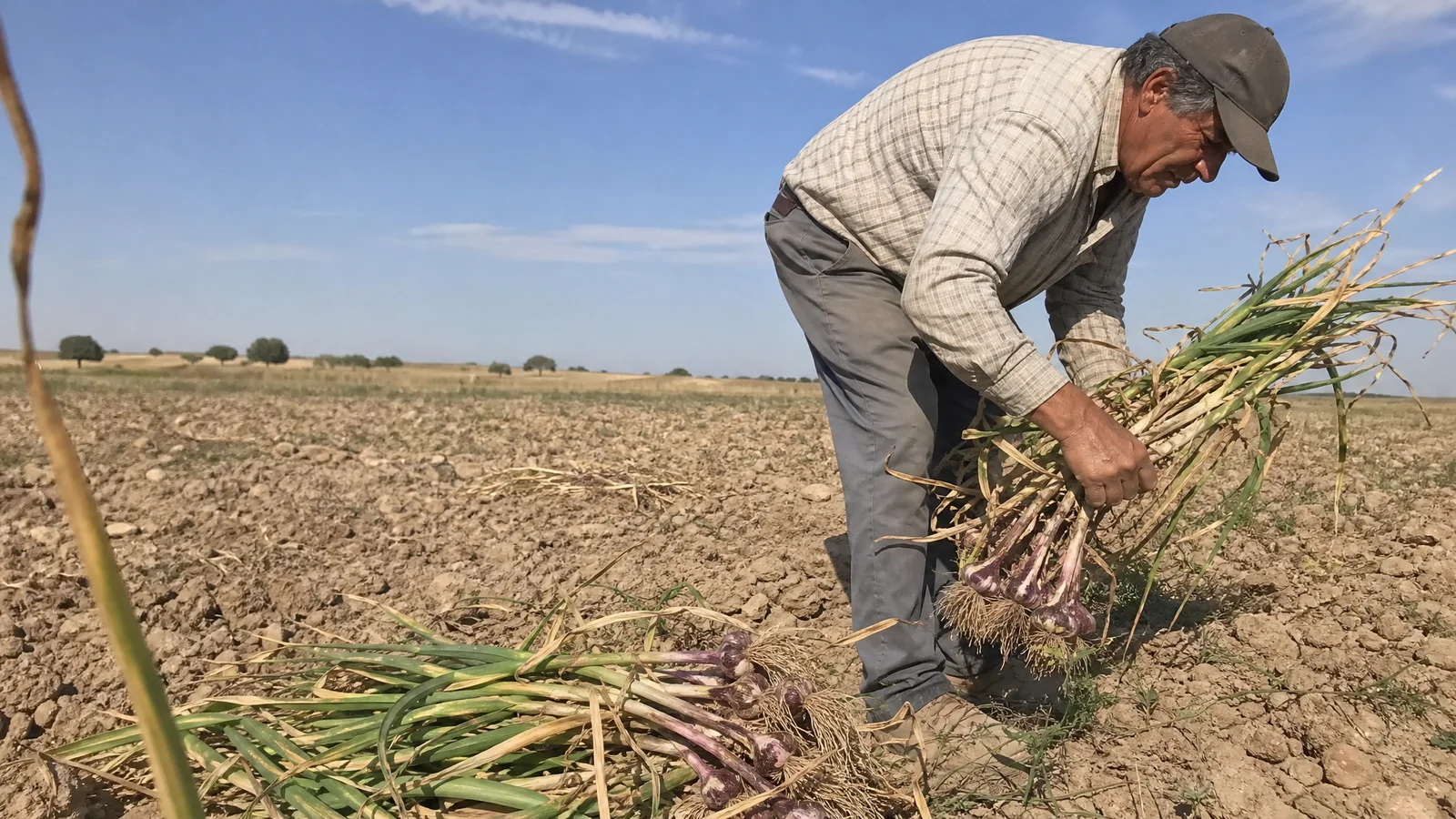
What Is Garlic Essential Oil? A Look Inside the Bottle
What is in a bottle of garlic essential oil? Sulfur compounds from a lot of bulbs, and how it differs from infused oil and supplements.
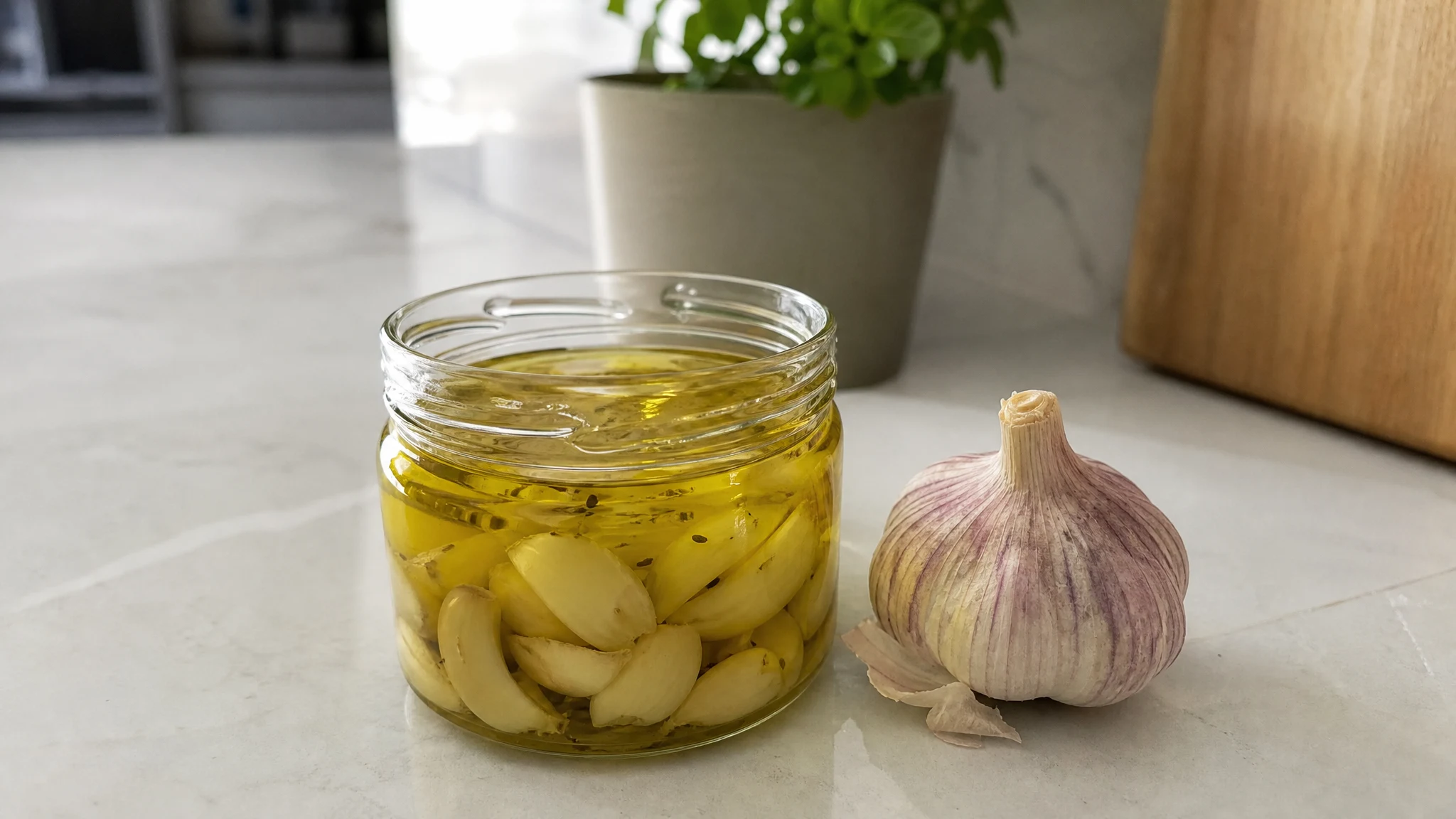
Garlic Essential Oil vs Infused Garlic Oil: Which Is Which?
Garlic essential oil is a distillate sold for aroma. Infused garlic oil is mostly cooking oil with garlic in it. Here is how to tell them apart on a label.
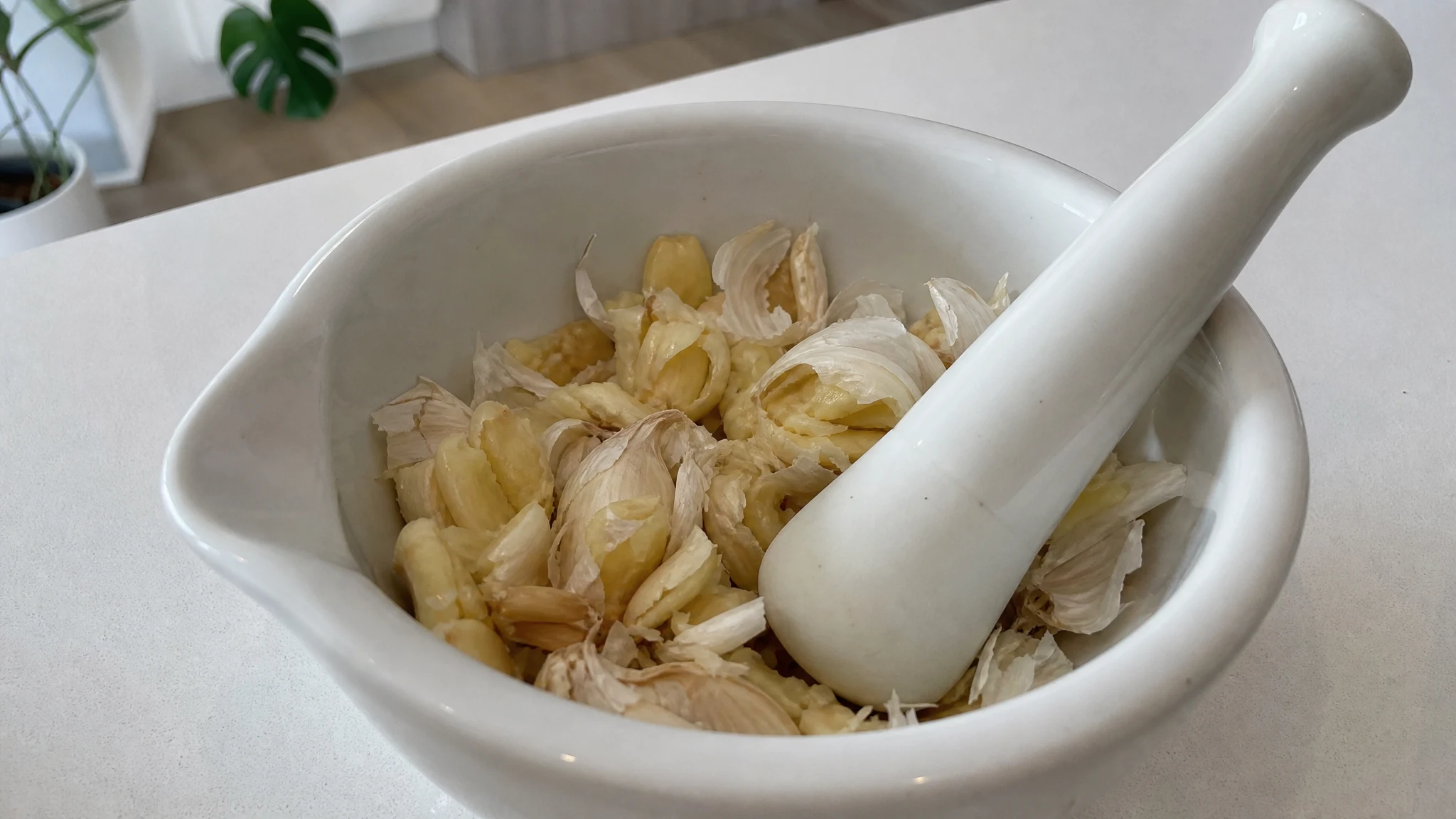
How Garlic Essential Oil Is Made: Bulb to Bottle
The garlic smell is created when a clove is cut, then reshaped by heat. Follow the bulb through crushing and steam, and see why a drop goes so far.
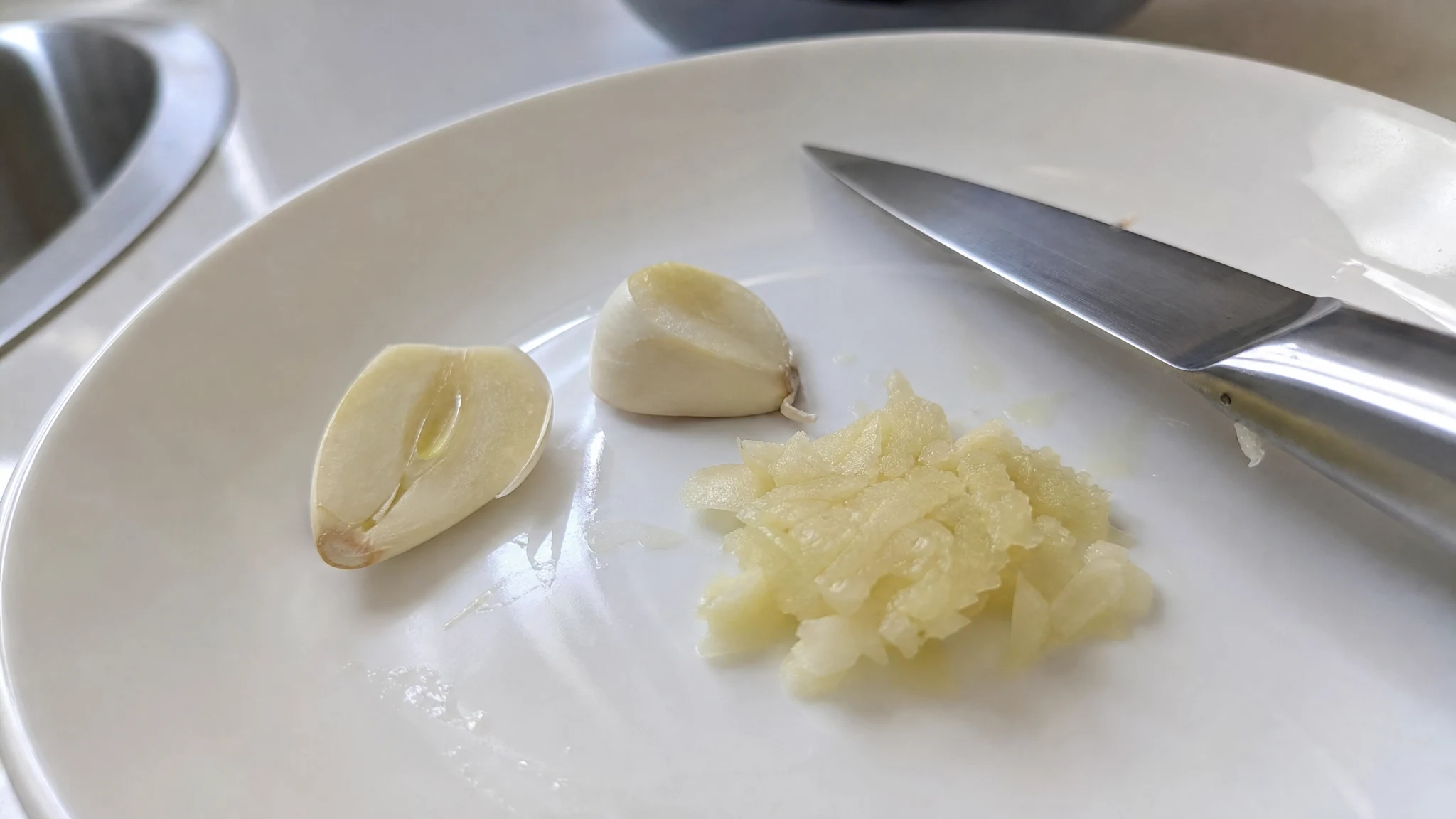
Why Does Garlic Oil Smell So Strong? The Sulfur Story
Allicin is fleeting. The strong smell in a bottle of distilled garlic oil belongs to the sulfides that follow it, and a drop carries a lot.
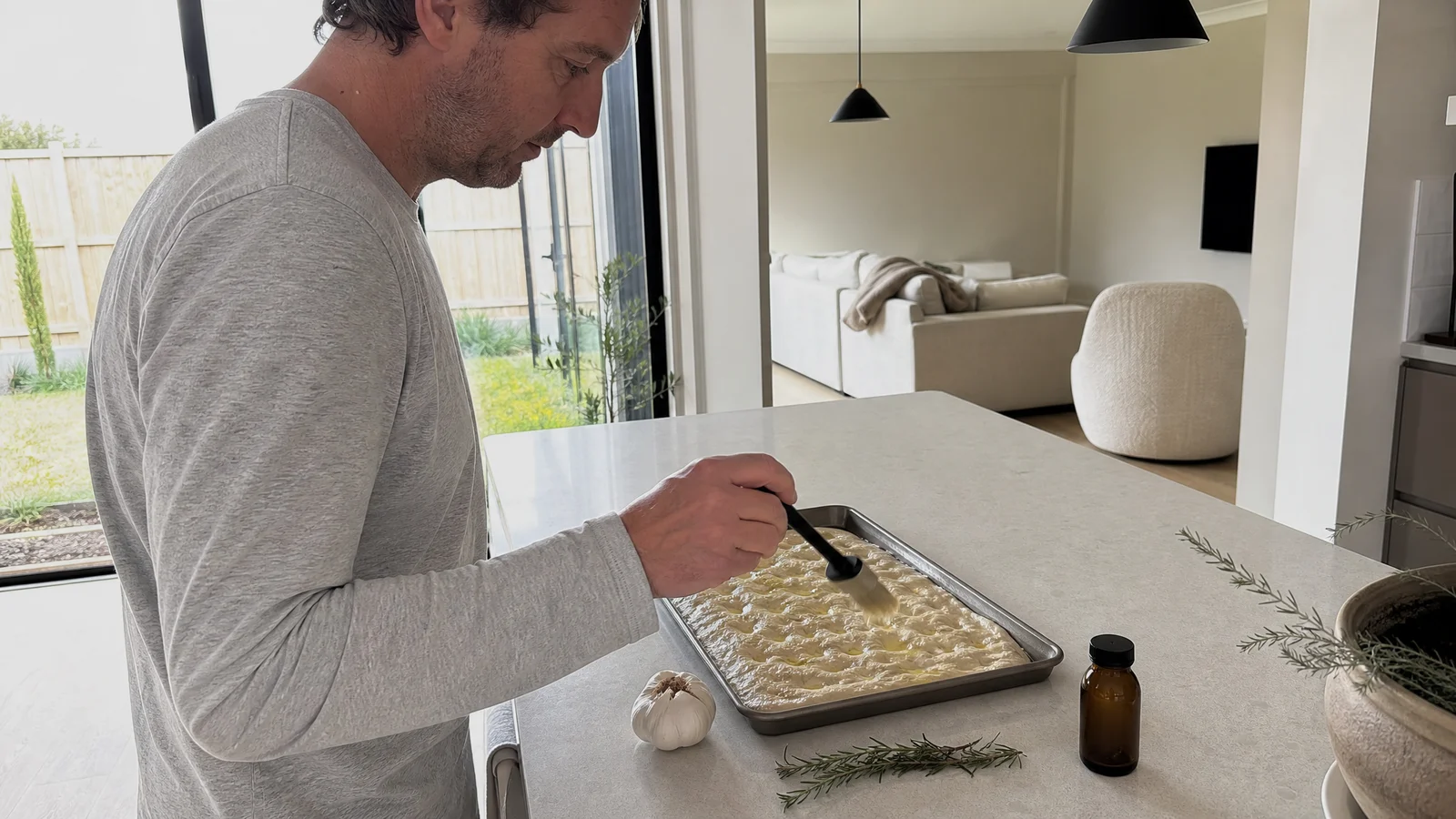
Garlic Essential Oil Uses: Blotter Strips to Soap
Garlic oil is a workshop material with a huge personality. Here is where one drop fits, from blotter strips to soap batches, and where garlic itself wins.
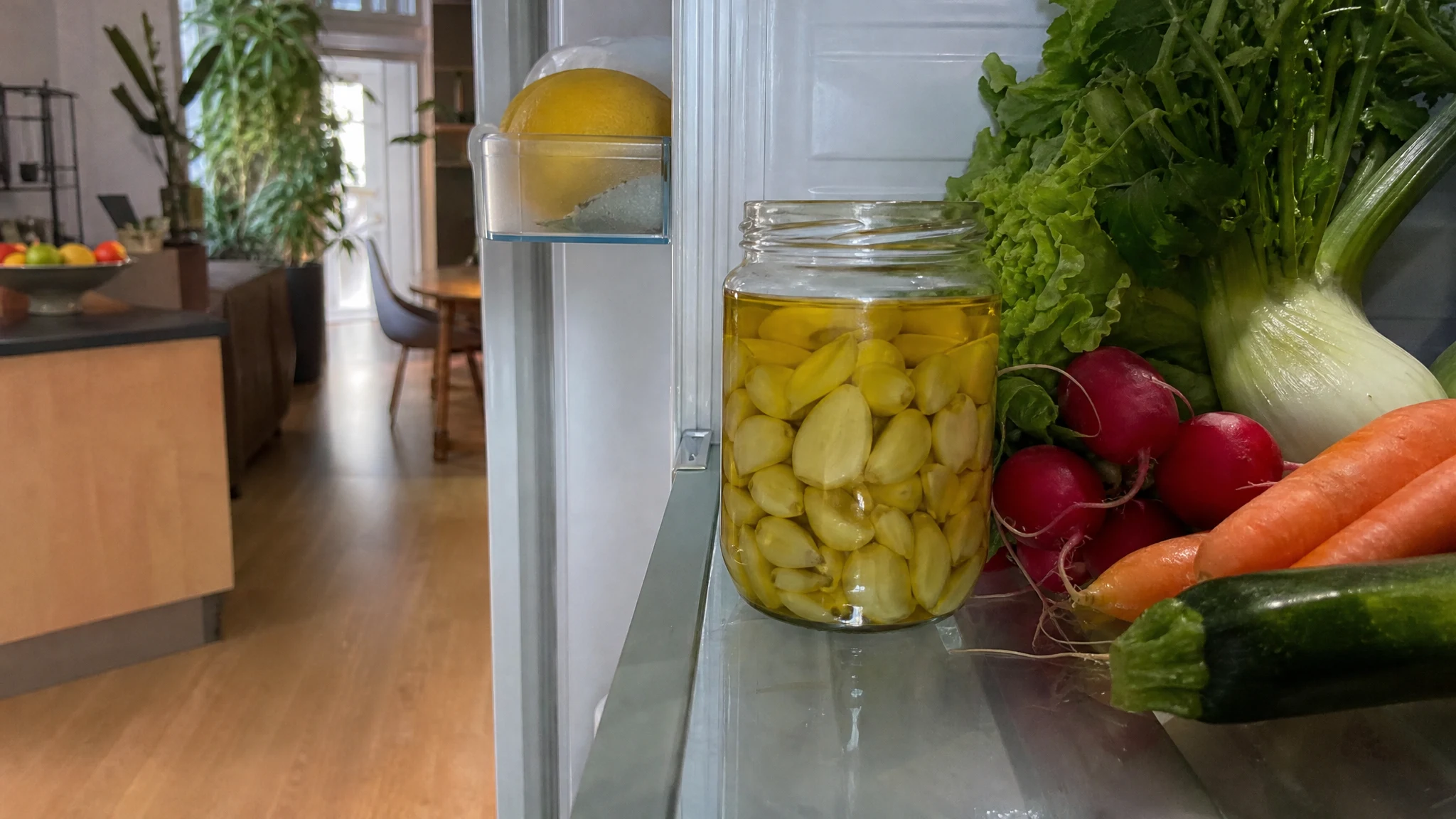
How to Store Garlic Oil: Essential Oil vs Cooking Oil
Garlic essential oil wants a cool, dark shelf and a tight cap. Garlic in cooking oil wants a fridge and a four day limit. Which rule is yours?
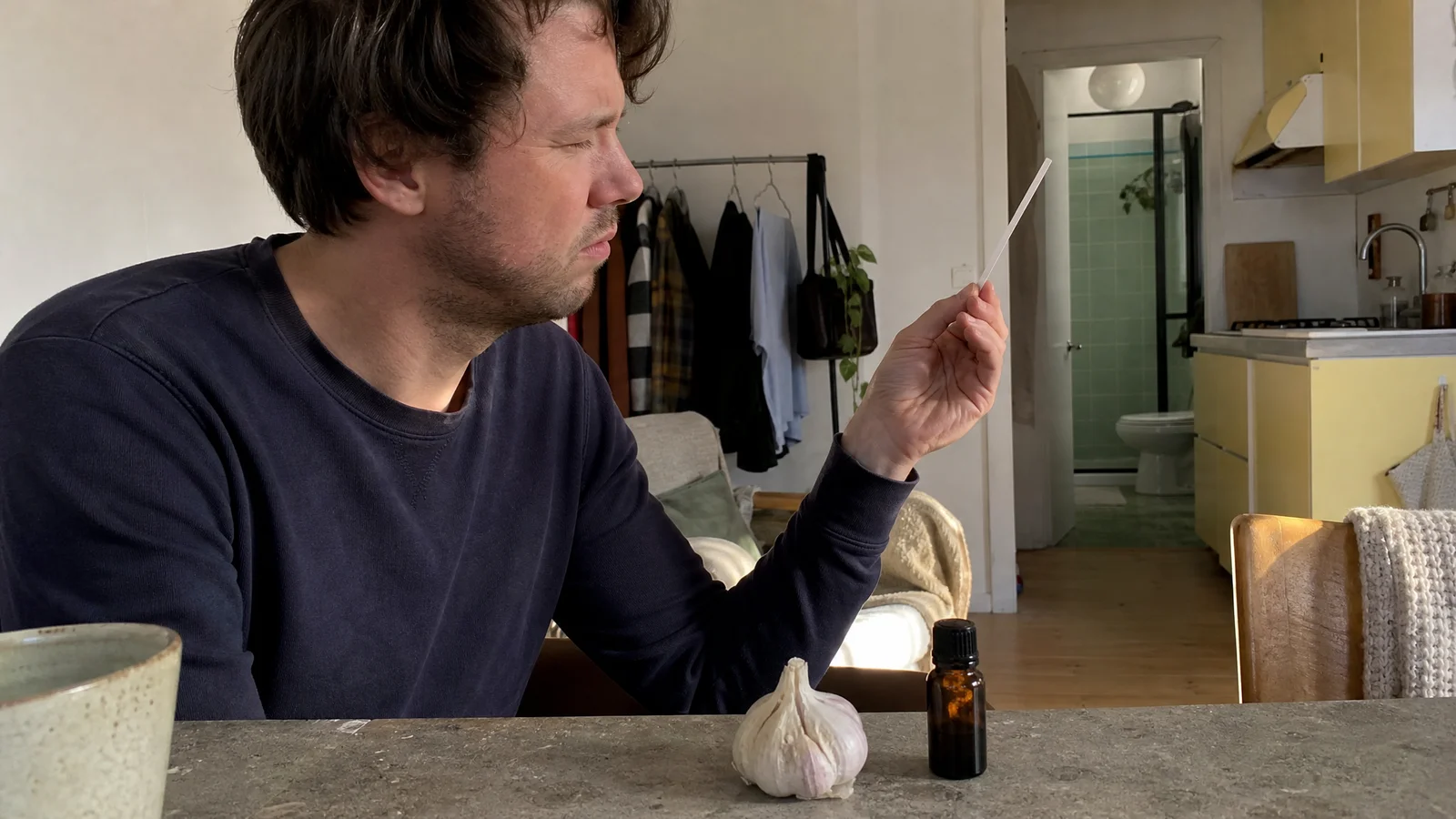
How to Dilute Garlic Oil by Weight, Not Drops
Counting drops is the shakiest way to dilute a strong oil. Here is the weight-based table, the stock-solution trick and why we begin at 0.5%.
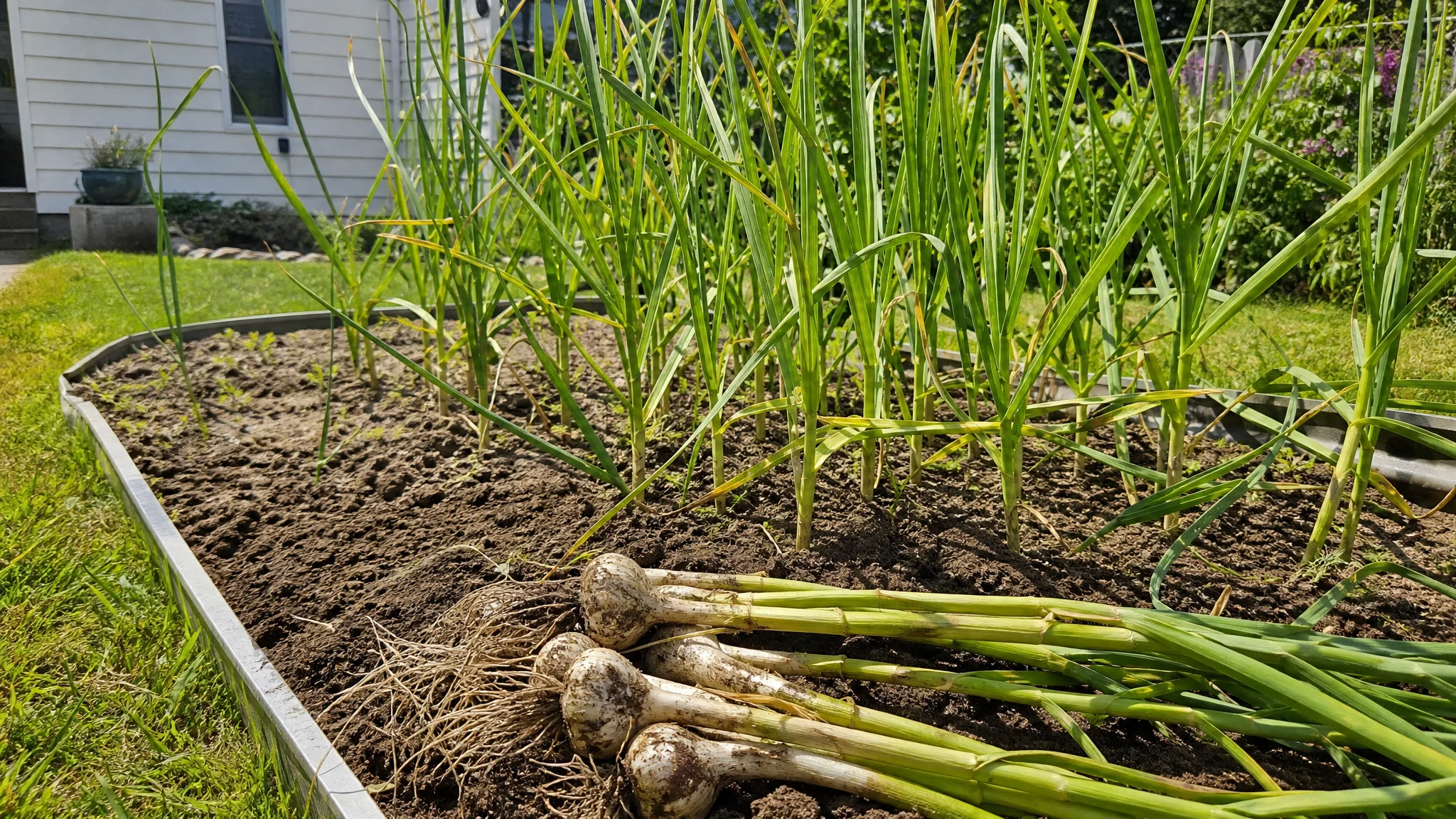
Garlic History: From Central Asia to Every Kitchen
Garlic began in Central Asia and travelled by the clove. A short, sourced tour from ancient Egypt to the chemistry behind its smell and the oil we sell.
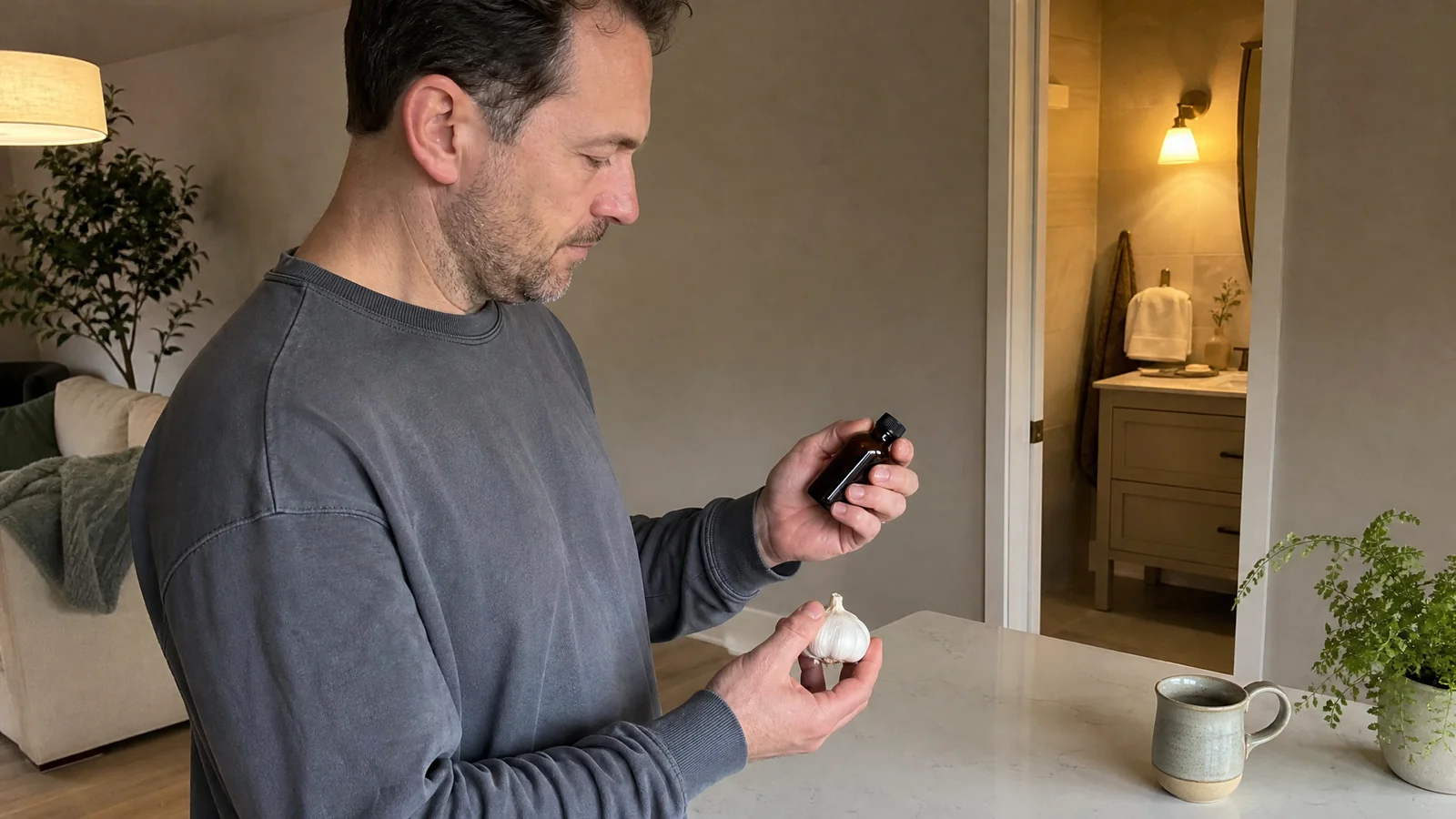
Garlic Essential Oil FAQ: Eight Straight Answers
Eight plain answers on garlic essential oil: what it is, how to dilute it, why it never goes in food, how to store it and what to do about the smell.

Garlic Oil Myths: Seven Things People Get Wrong
Garlic oil on a label can mean three different things, and that is where most myths start. Seven common beliefs, sorted with what sources say.

Garlic Oil in the Kitchen or Workshop: Which Bottle?
Kitchen garlic oil and workshop garlic oil are two different bottles. Here is how to pick the right one, and where food-safety rules come in.
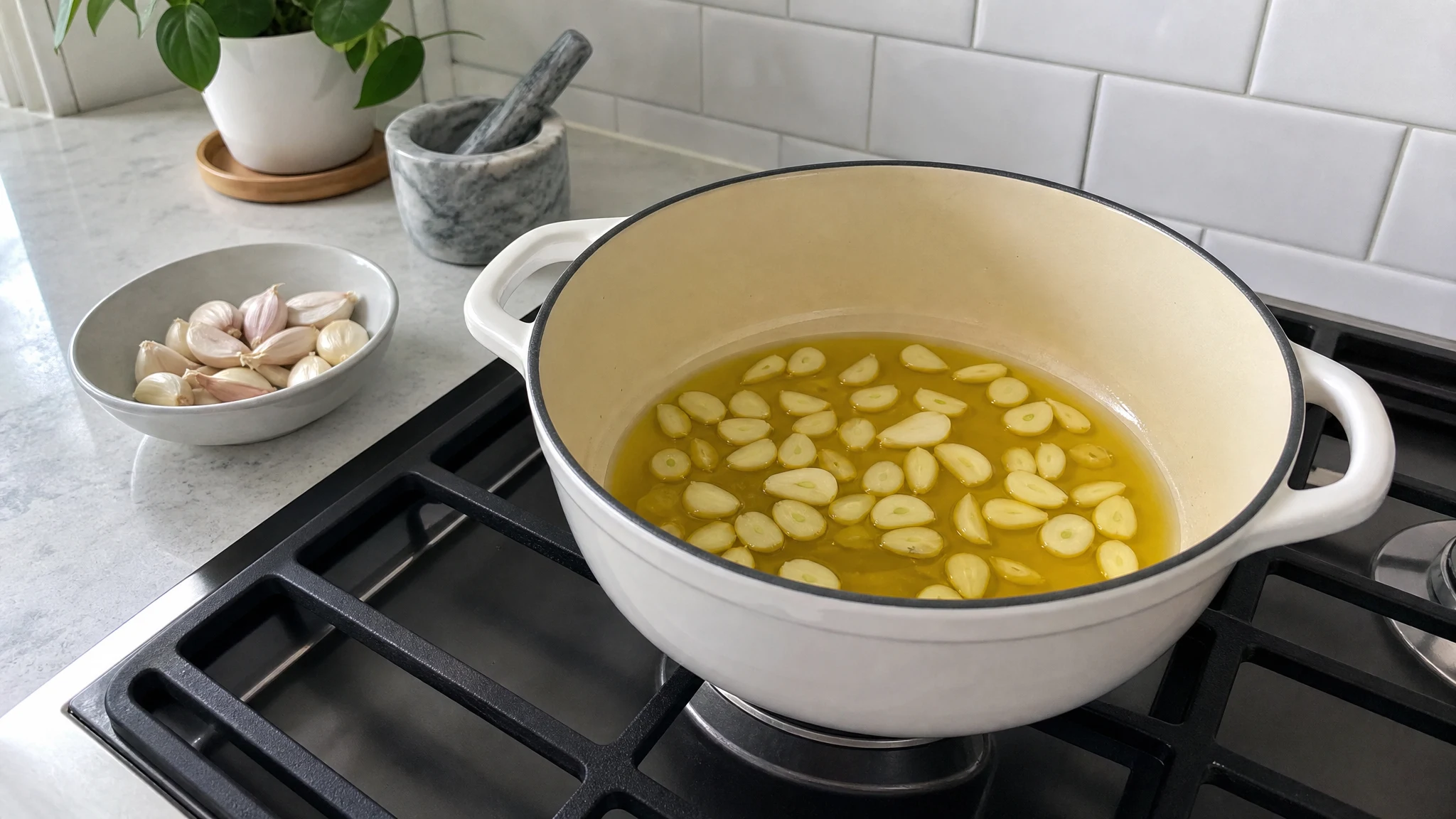
Garlic Infused Olive Oil: How to Make It Safely
Homemade garlic olive oil is lovely if you pick your route first. Two methods backed by the CDC and Penn State Extension, and one shortcut to leave out.
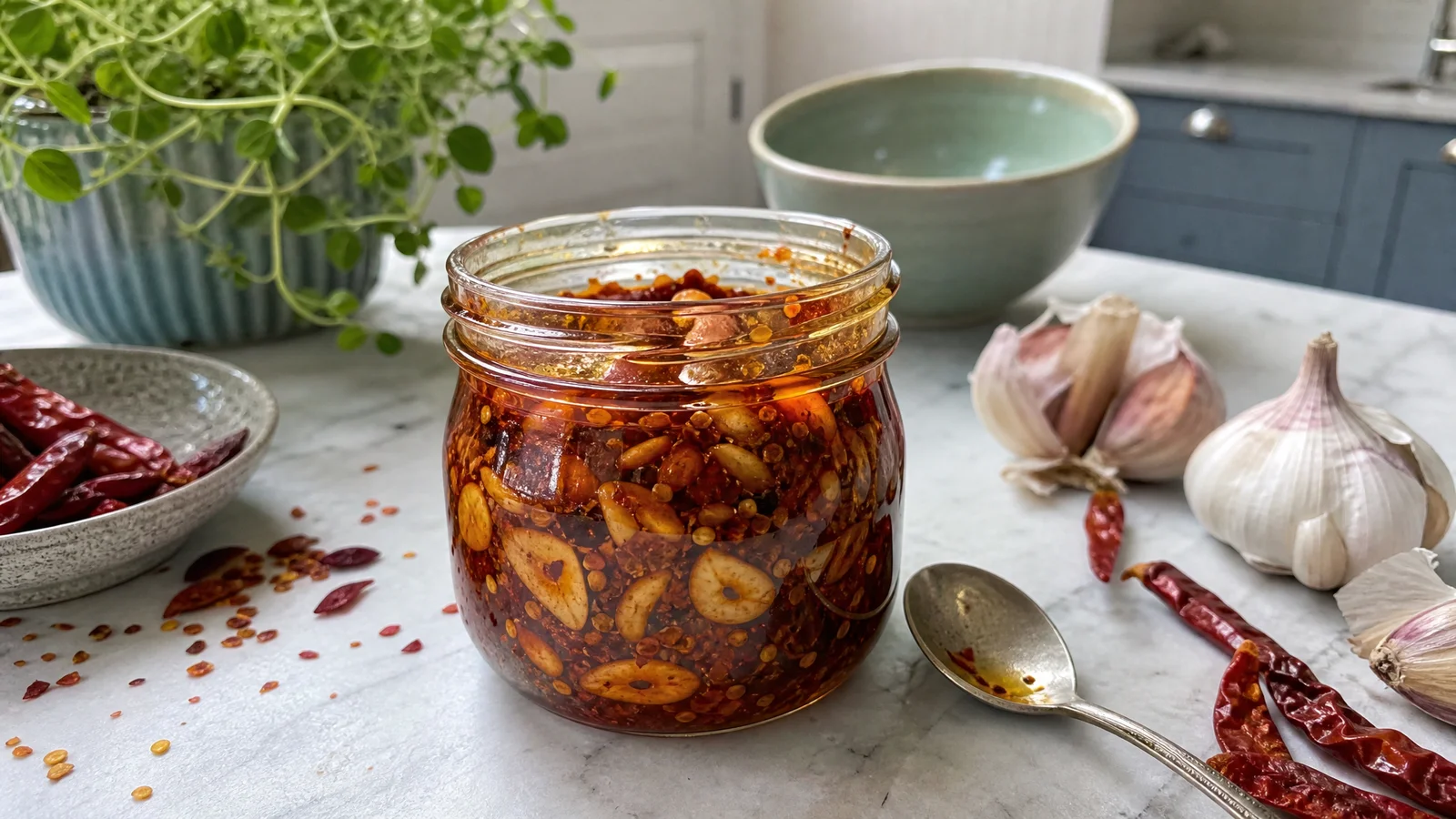
Crunchy Garlic Chili Oil: Make a Small Jar, Keep It Cold
Crunchy garlic chili oil goes on everything. Here is how one recipe works, how to make a small jar and why it belongs in the fridge.
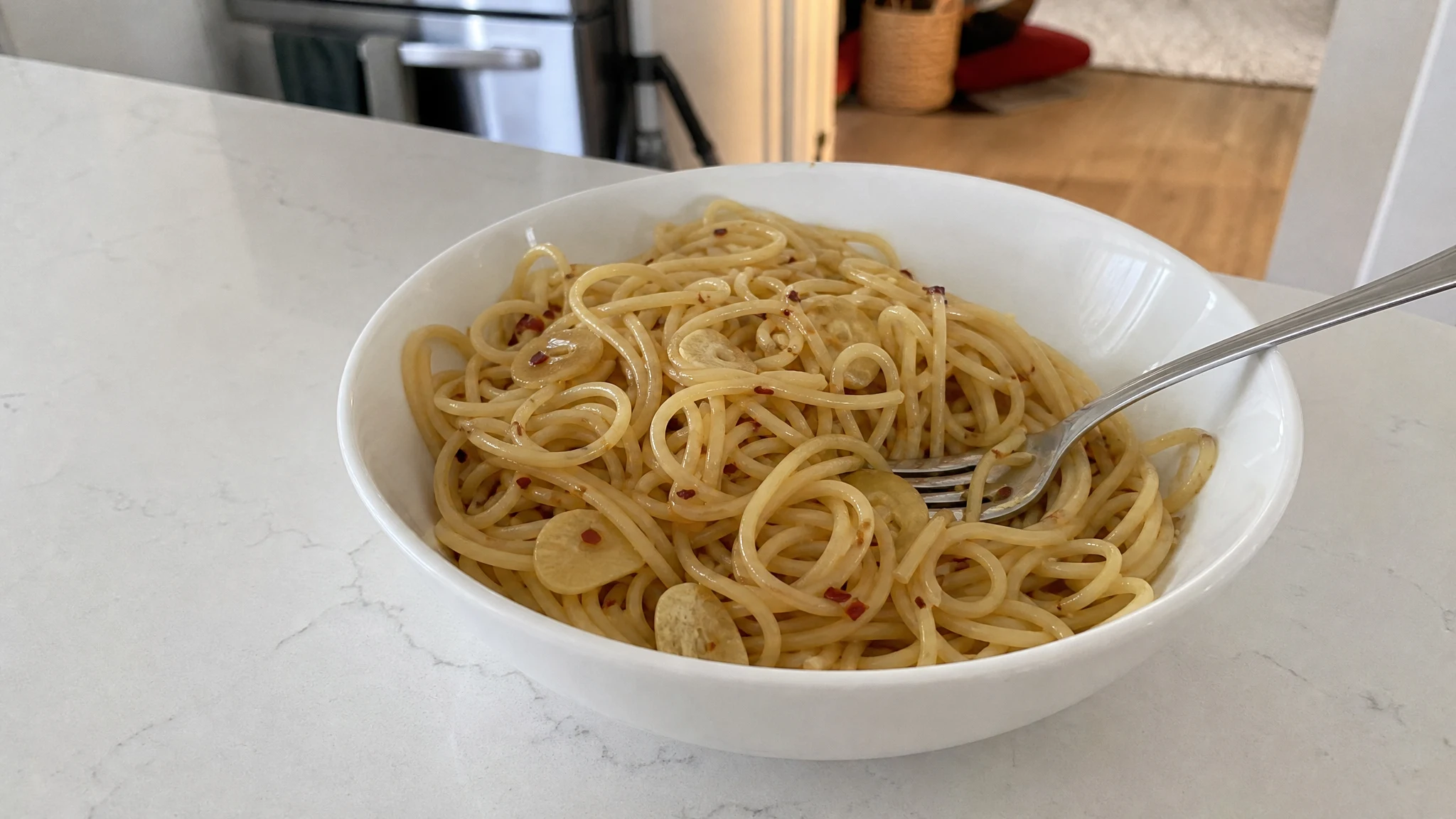
Aglio e Olio: Slice, Stop at Golden, Save the Water
Aglio e olio has five ingredients and three decisions that matter: how to cut the garlic, when to stop, and what the pasta water is for. Here they are.
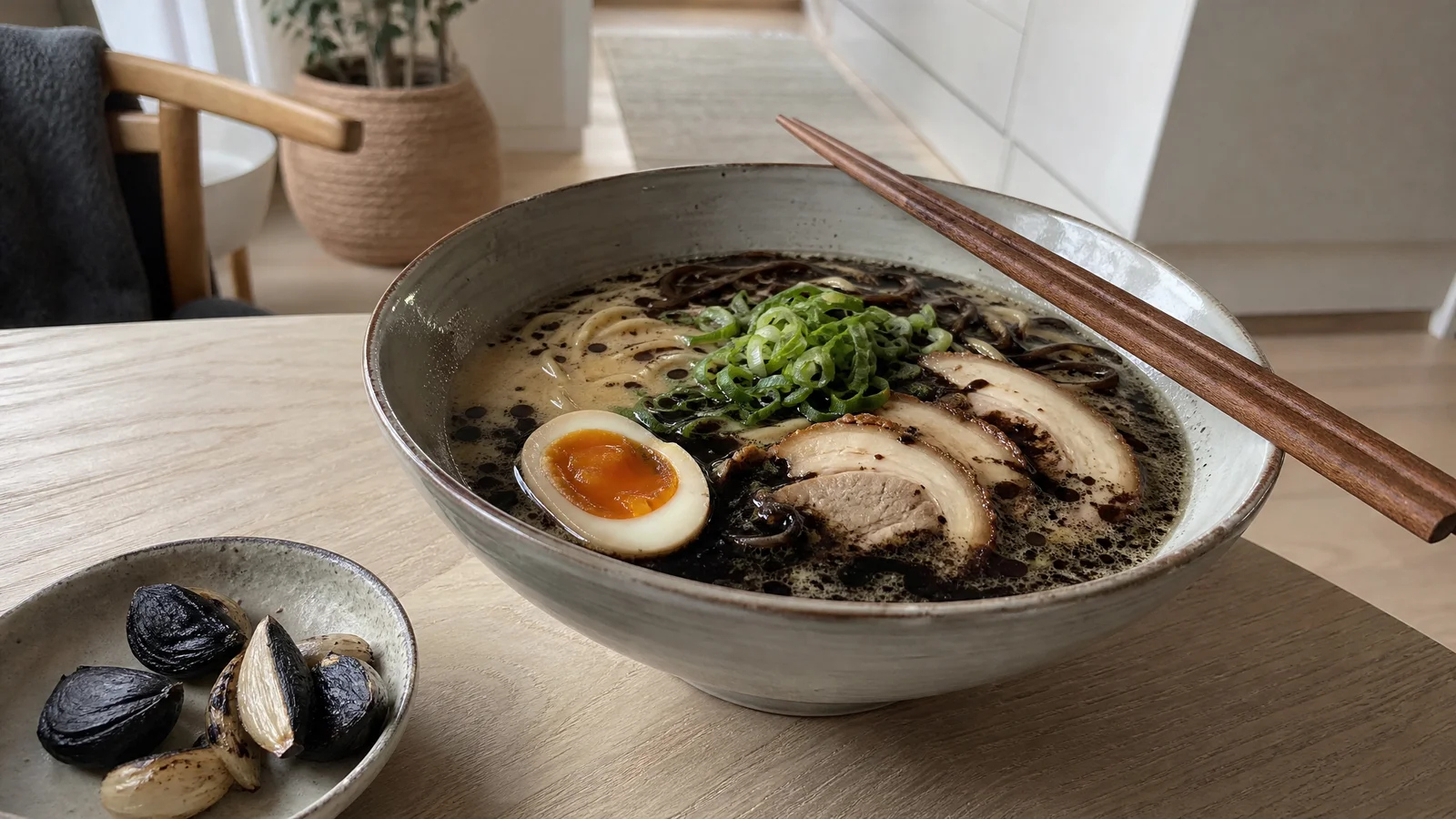
Mayu: How Black Garlic Oil Finishes a Ramen Bowl
Mayu is the black garlic oil that finishes a ramen bowl. How one recipe builds it, how to scale it and why the jar stays in the fridge.
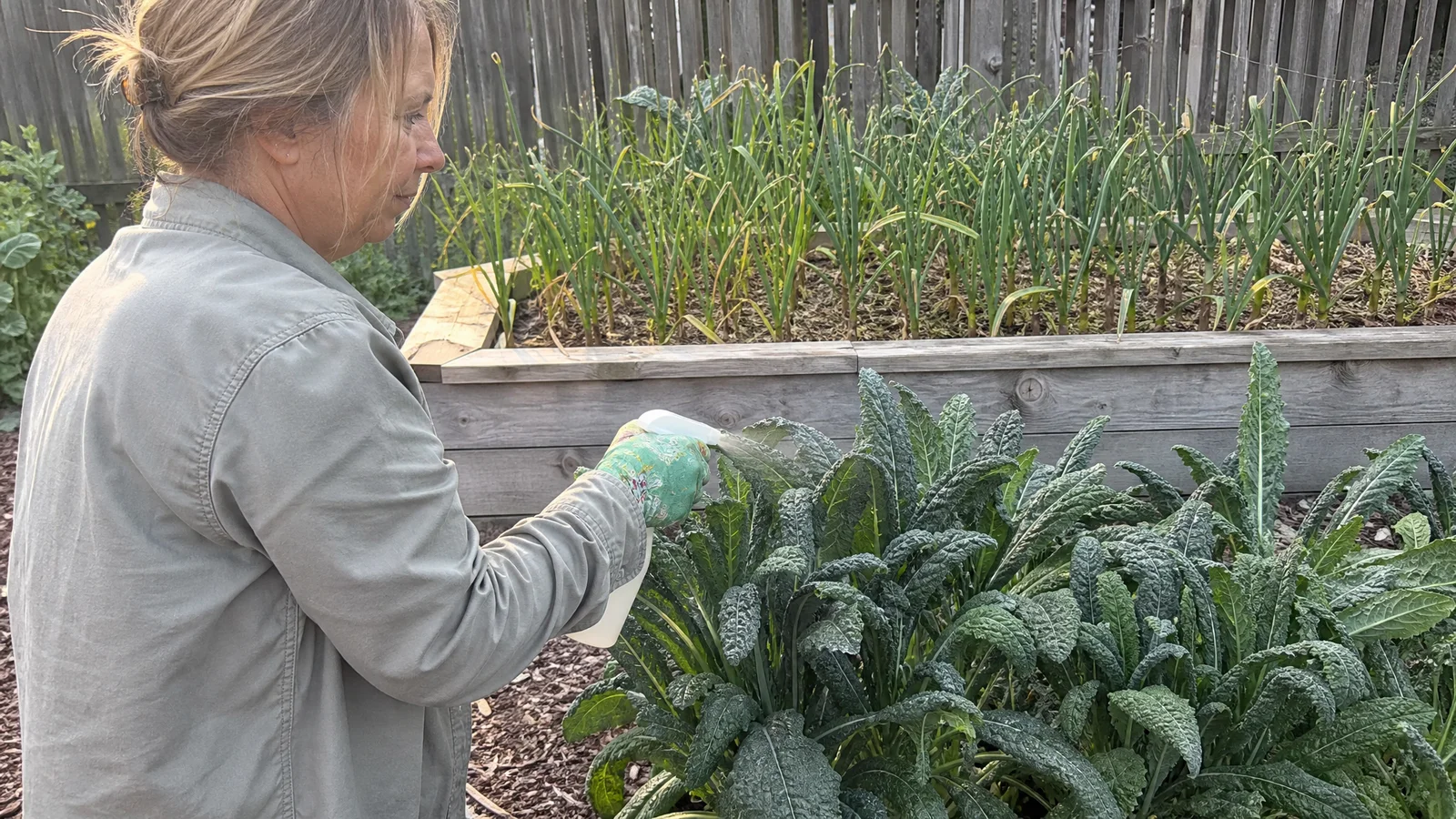
Garlic Spray for the Garden: What to Know Before You Mix
A clove-steep garlic spray and distilled garlic oil are different materials. Here is how they differ and where to begin before you mix anything.
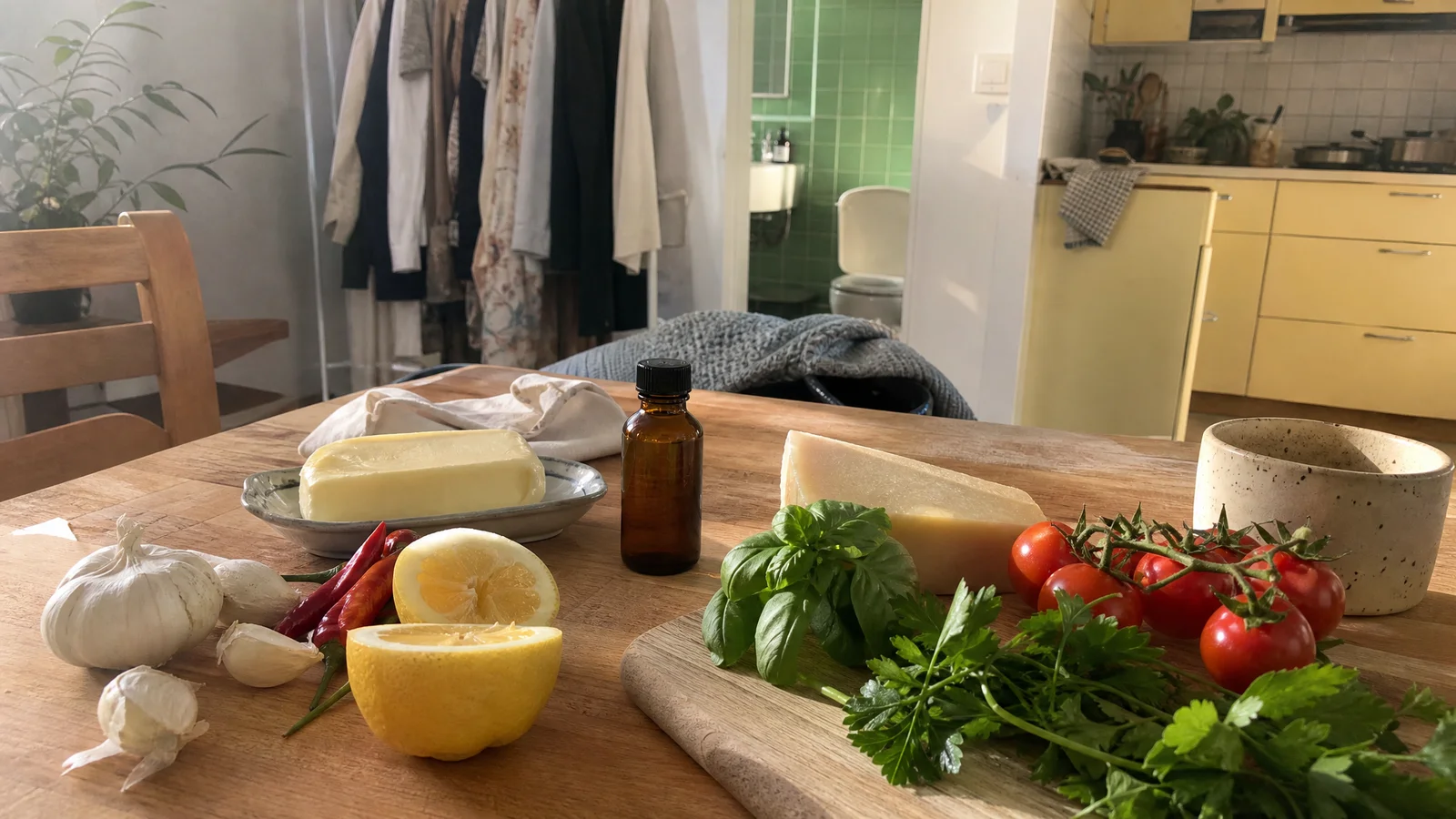
Garlic Flavor Pairings: What Mellows It and What Lifts It
Yogurt tames garlic, frying mellows it, and some cuisines pair by shared flavor while others avoid it. What the research says about garlic's best partners.
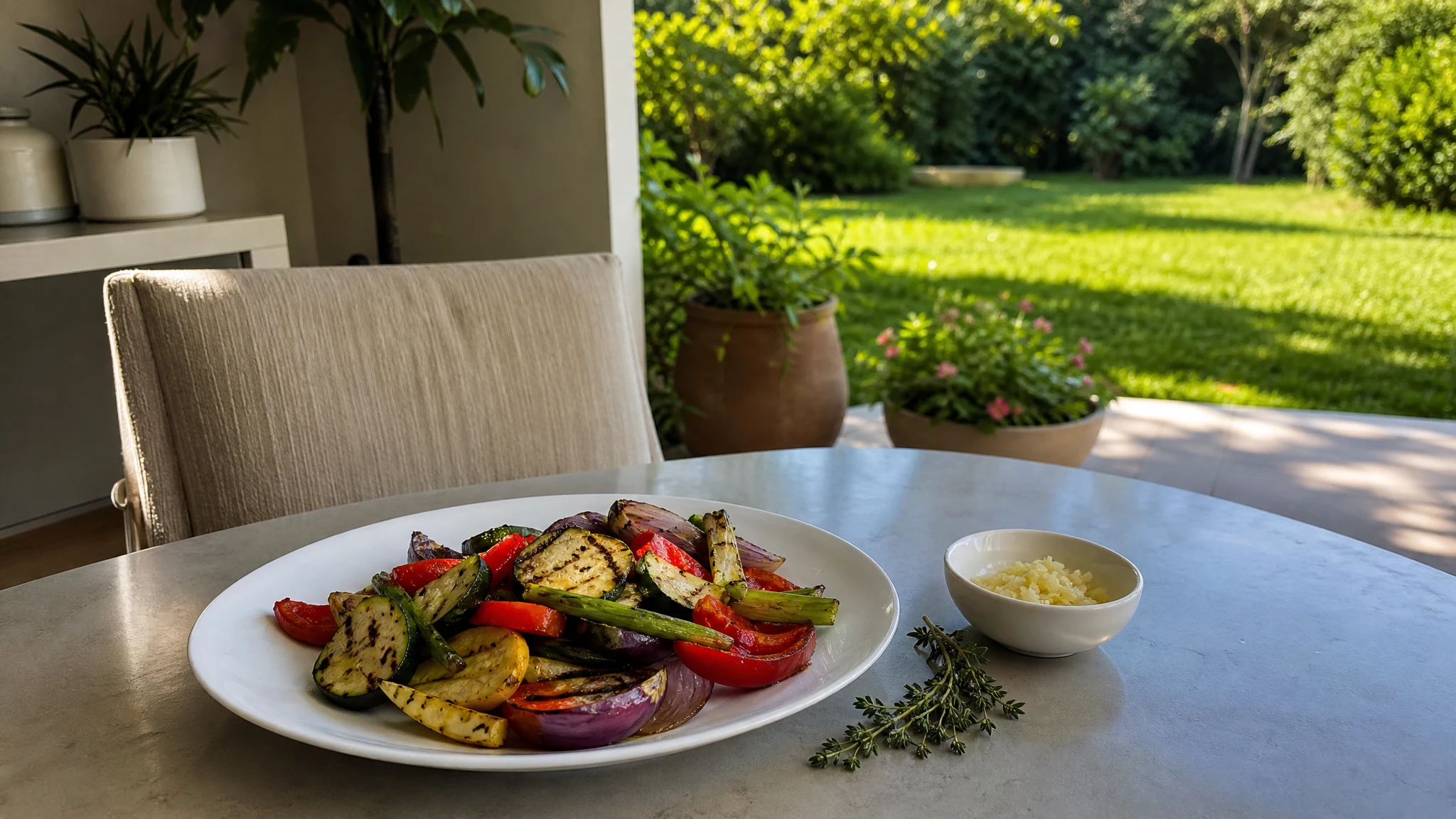
Grilling With Garlic: Flavor Tips and Food Safety Basics
Fresh garlic and a good thermometer make a better barbecue. See how heat changes garlic and the food-safety rules worth pinning by the grill.
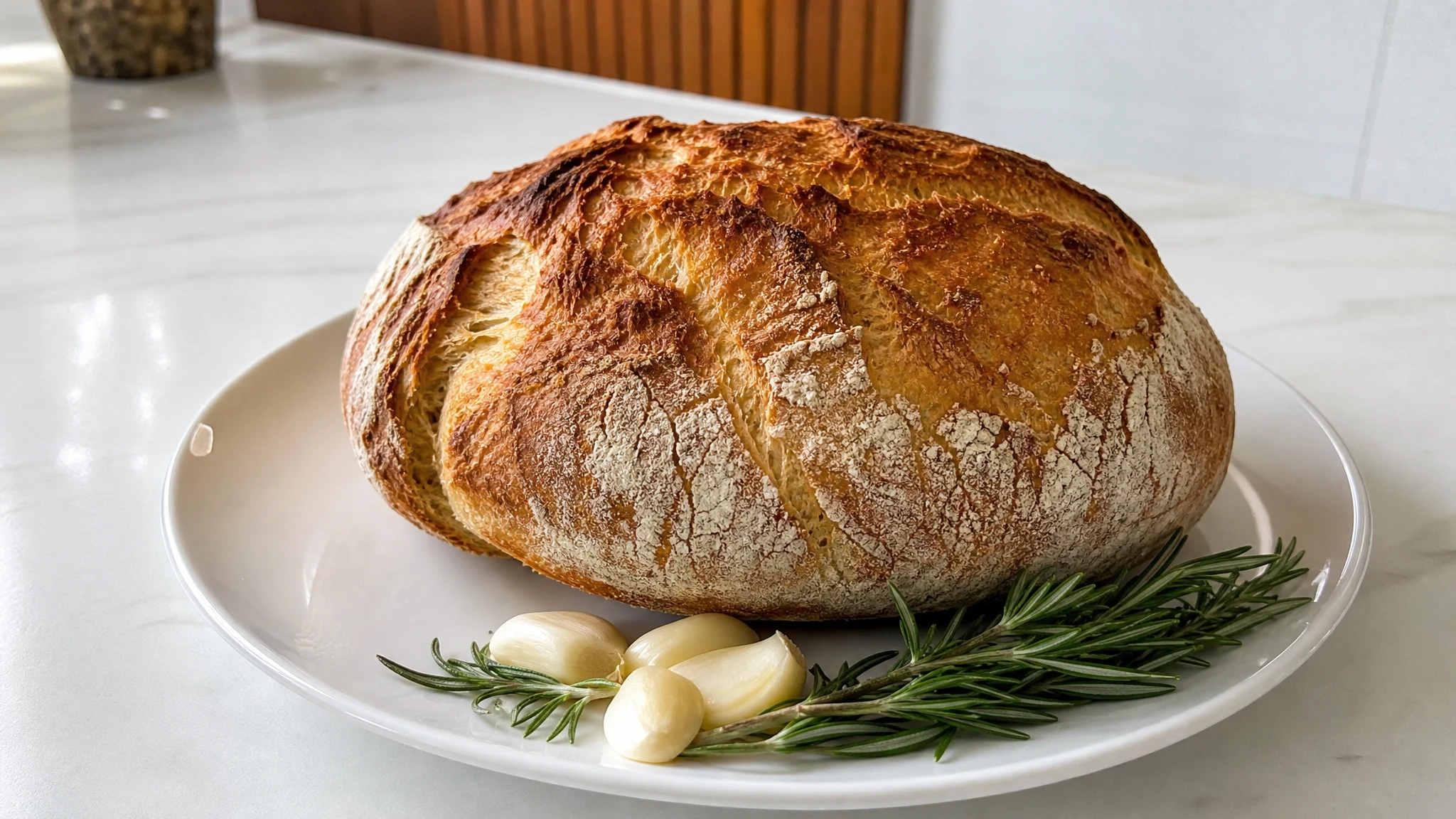
Rosemary Garlic Oil for Bread: A Safer Way to Do It
The classic rosemary garlic saucer has a storage catch. Here is how to get the flavor on the bread with guidance from CDC and Penn State.
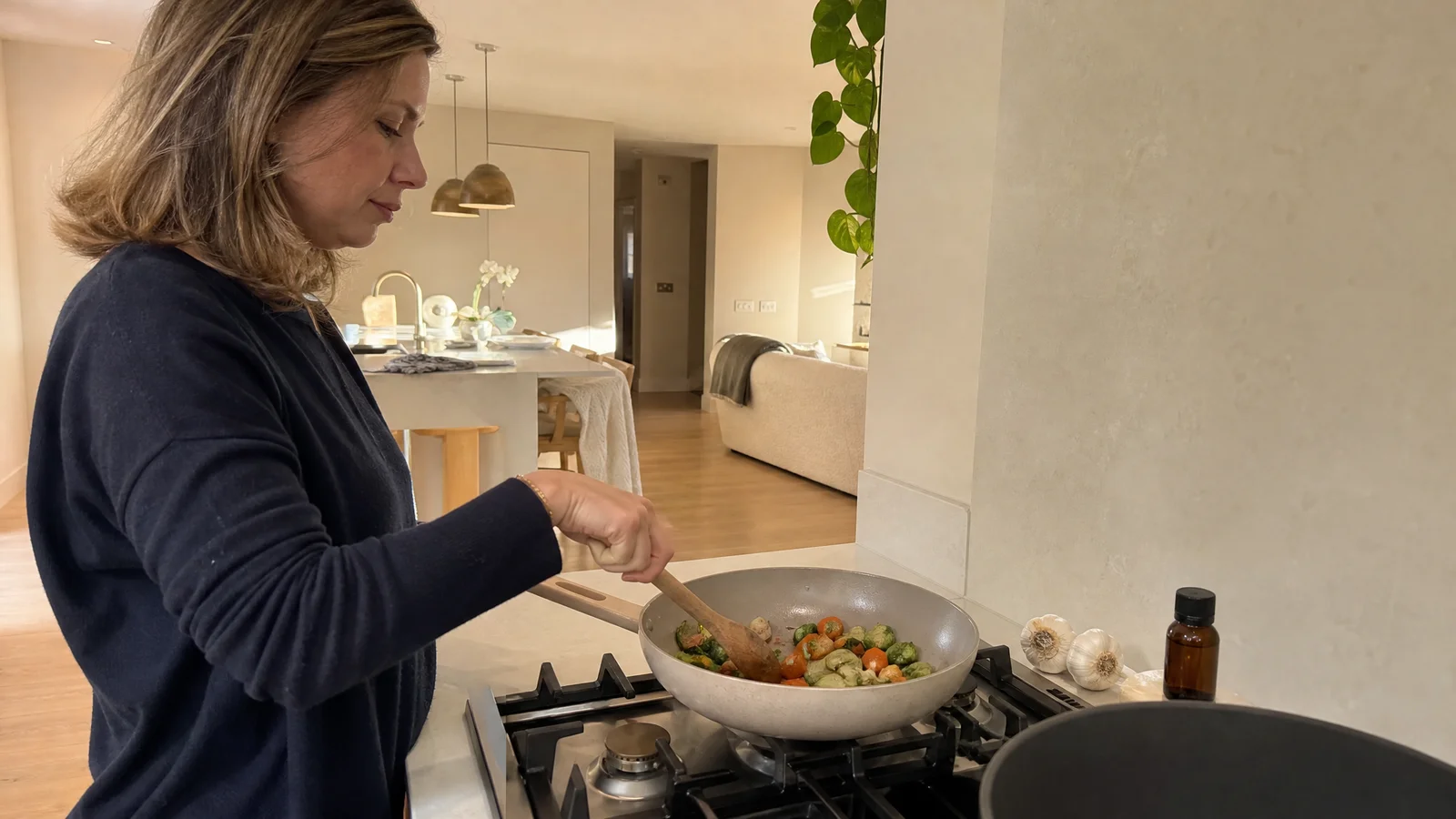
7 Garlic Dinners for a Week: When to Add It to the Pan
Seven dinners built around garlic, from aglio e olio to chili crisp, with simple notes on timing, heat and how to keep garlic in oil safely.
Does Garlic Oil Origin Matter? Five Questions to Ask
A country name says less about garlic oil than you might think. What origin changes, what it does not, and five questions to ask any seller.
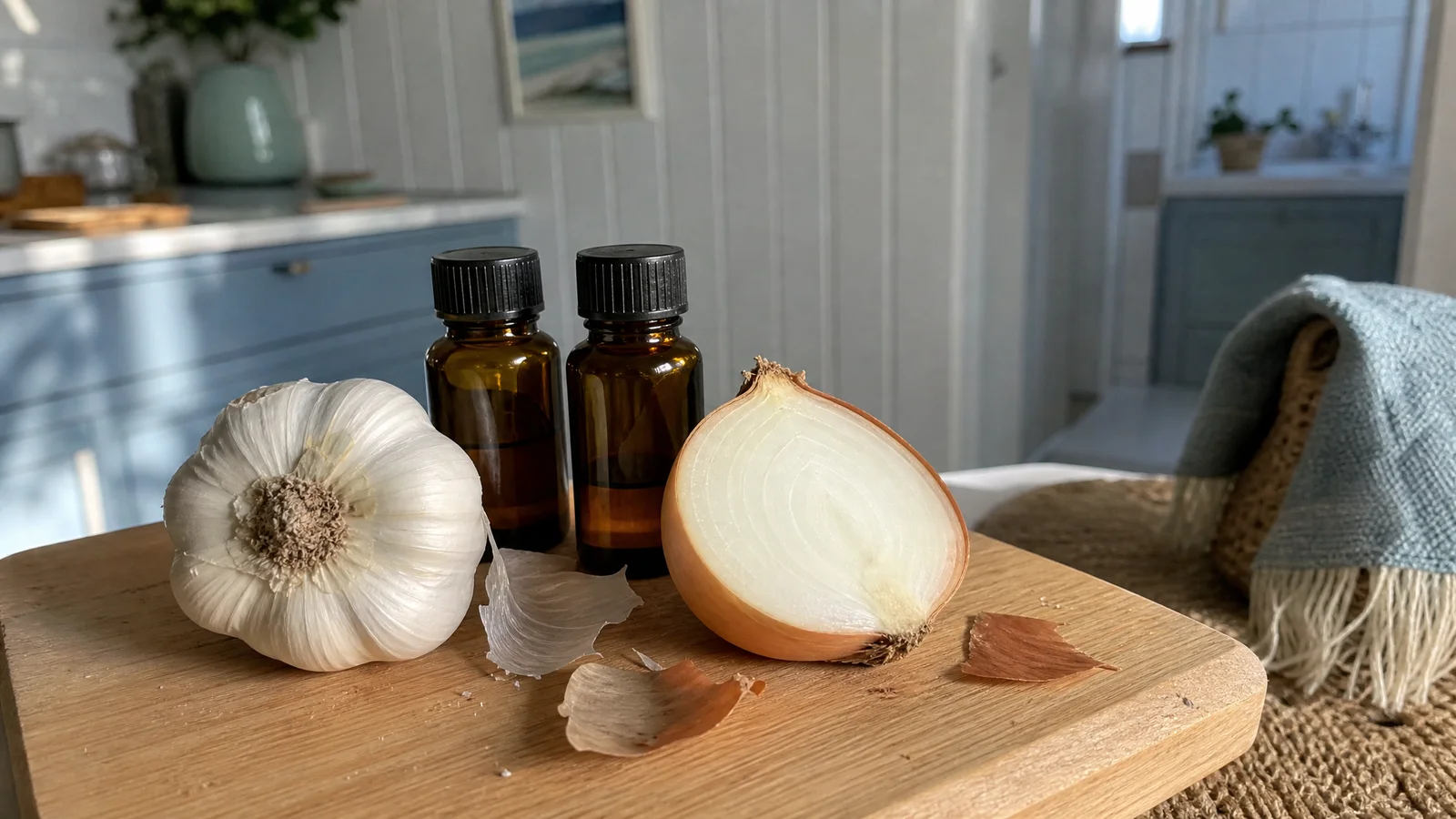
Garlic Oil vs. Onion Oil: How the Two Scents Differ
Garlic and onion oils both smell of sulfur, but they are built from different molecules. How they differ and a simple strip test to compare them.
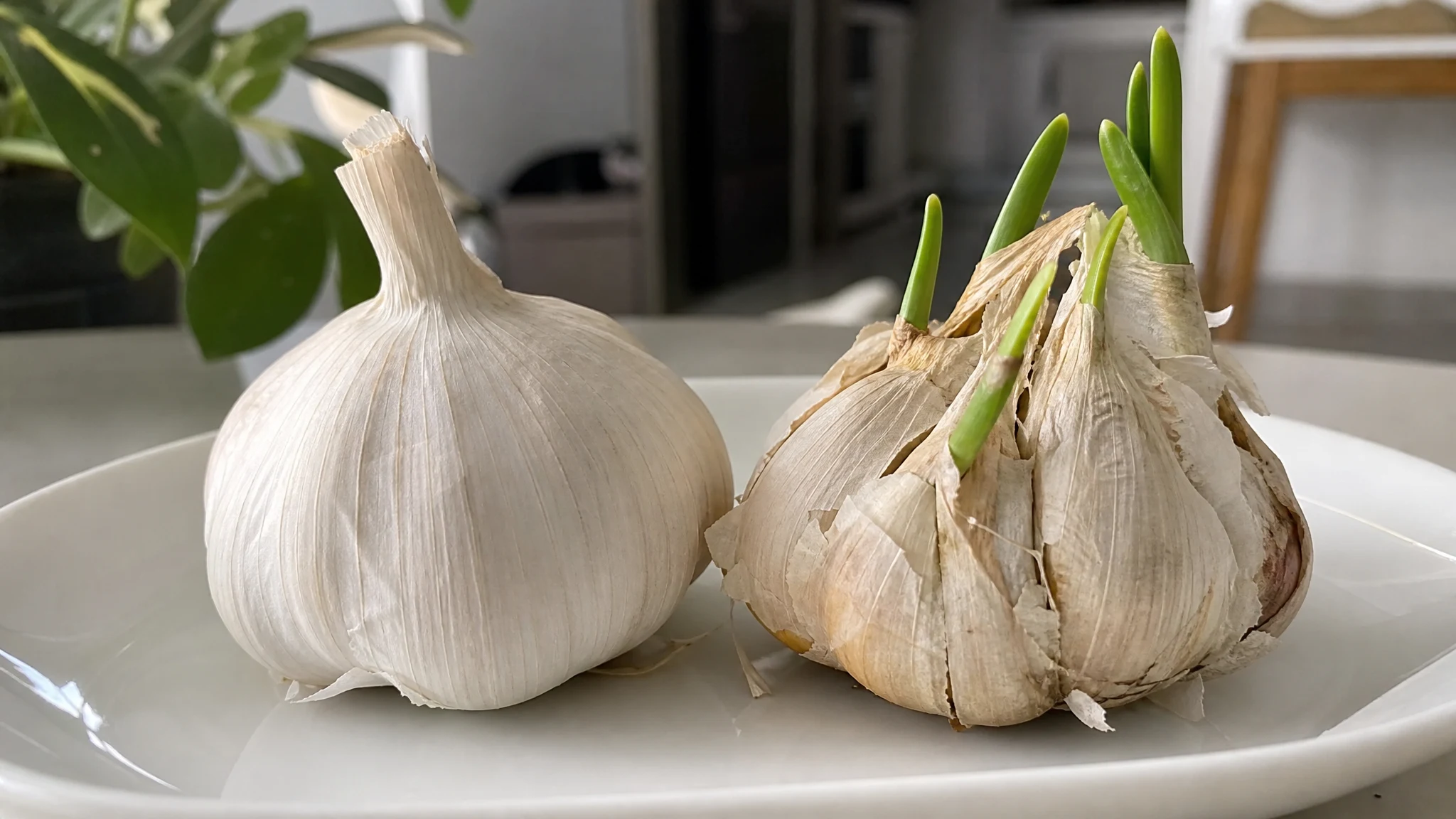
How to Judge Garlic Oil Quality Before You Order
A strong smell tells you little. Four paperwork checks do more: the label, the certificate, a composition report and the claims on the page.
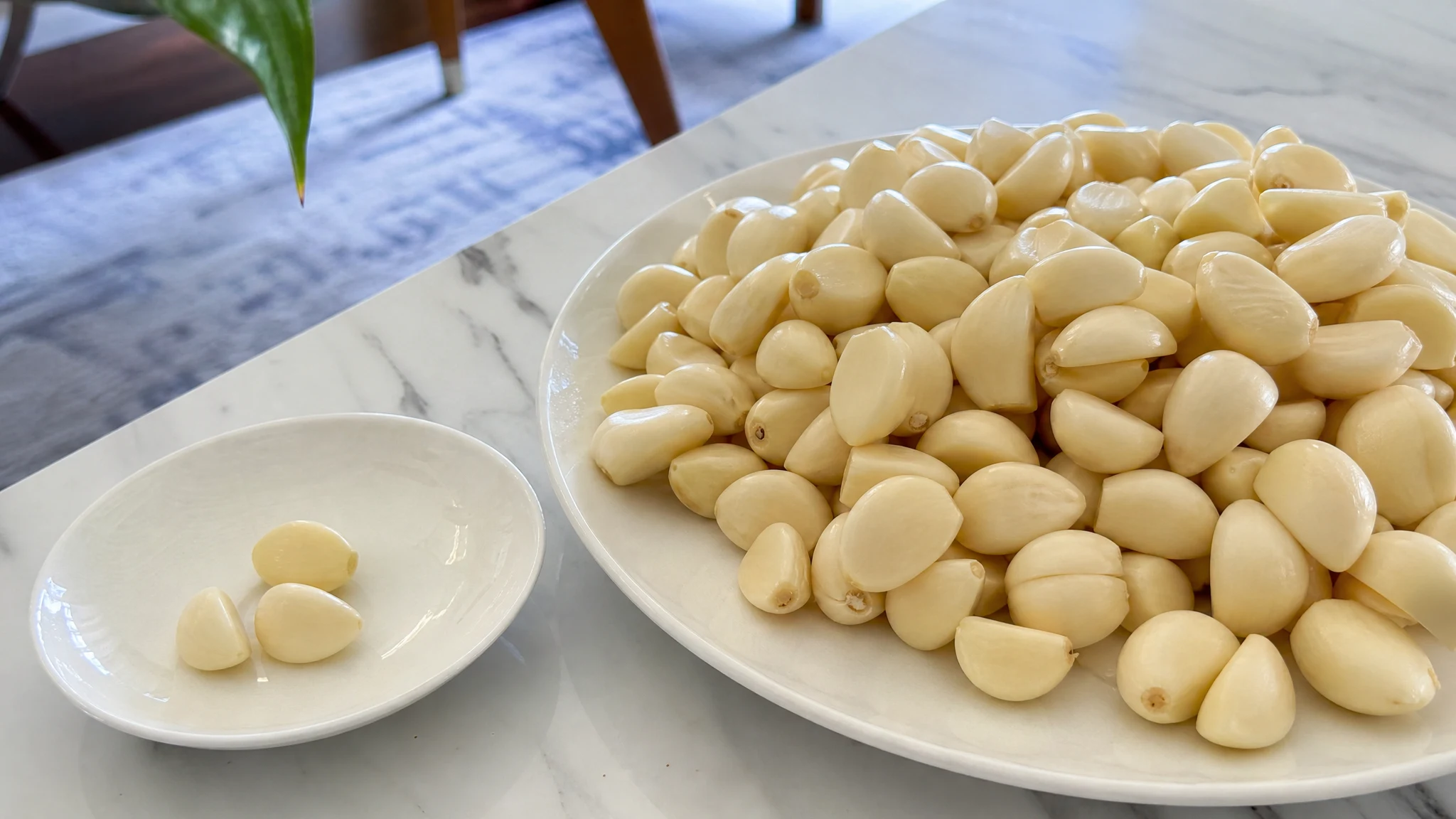
Why Garlic Oil Costs What It Does: Yield and Weight
It takes about half a tonne of garlic to distill a kilo of oil. See why yield matters, why grams beat ounces, and what price cannot tell you.
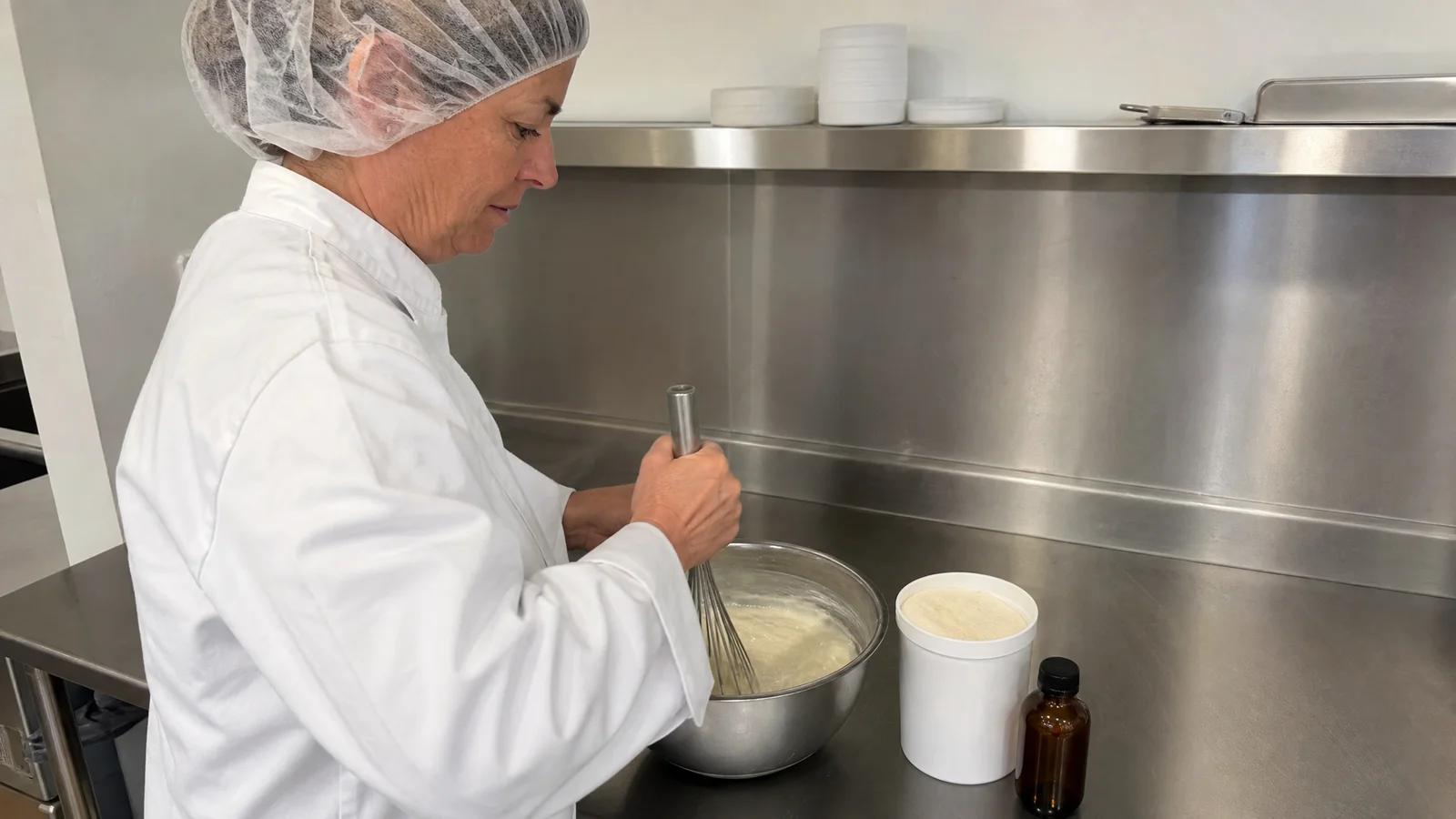
Garlic Oil vs. Garlic Flavoring: How Food Labels Sort Them
Garlic oil or garlic flavoring? The label name decides which rules apply. Here is how food rules sort them and what to ask any supplier first.

Buying Garlic Oil Online: Which Seller Fits Your Plan?
Food, garden, skin, soap or wholesale? The right place to buy garlic oil changes with the job, and sometimes it is not an oil seller at all.
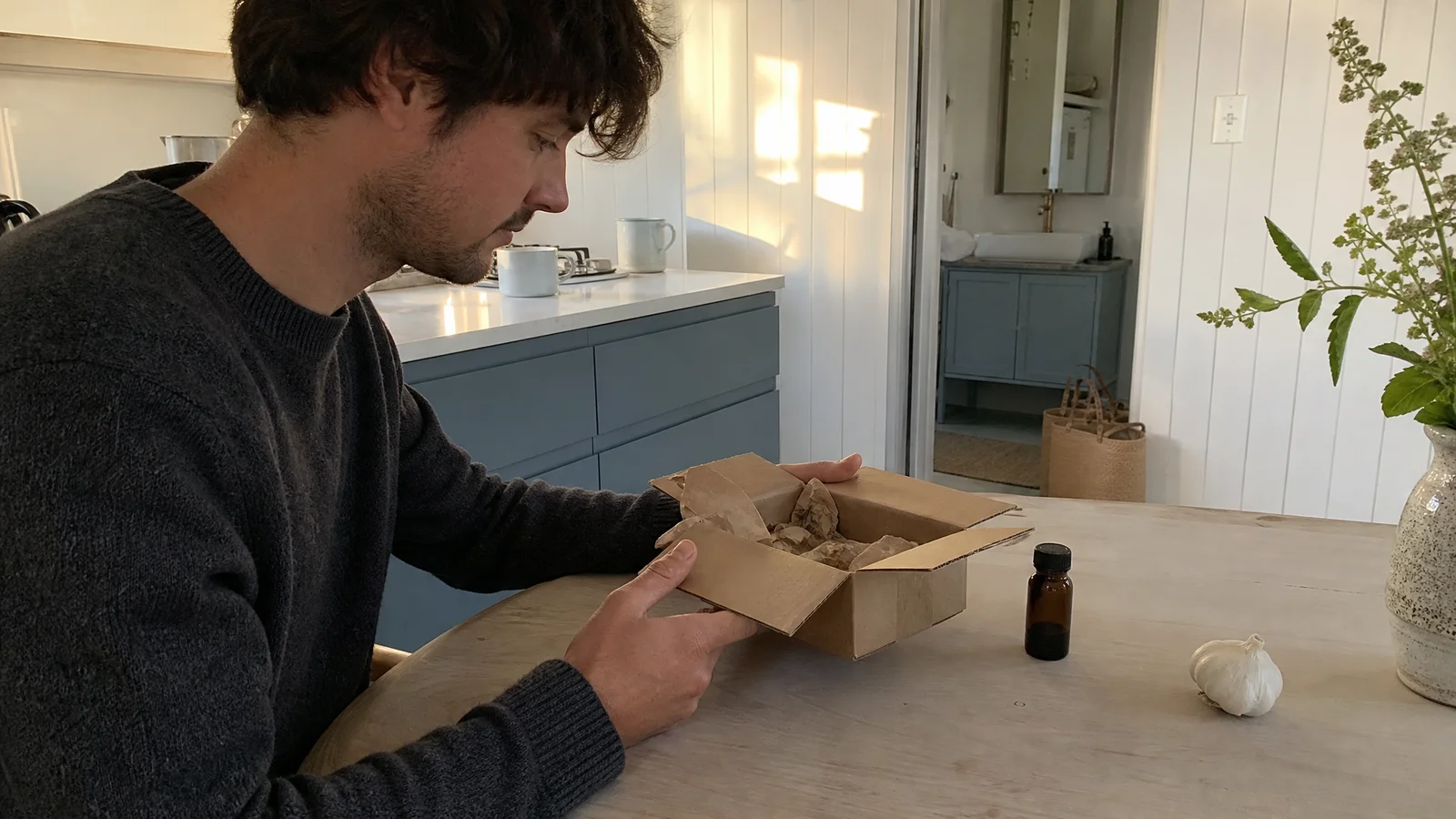
First Garlic Oil Bottle: Which Size Makes Sense?
Even our smallest bottle holds hundreds of drops. Here is how sizes turn into real uses, and why a first bottle is a trial, not stock.
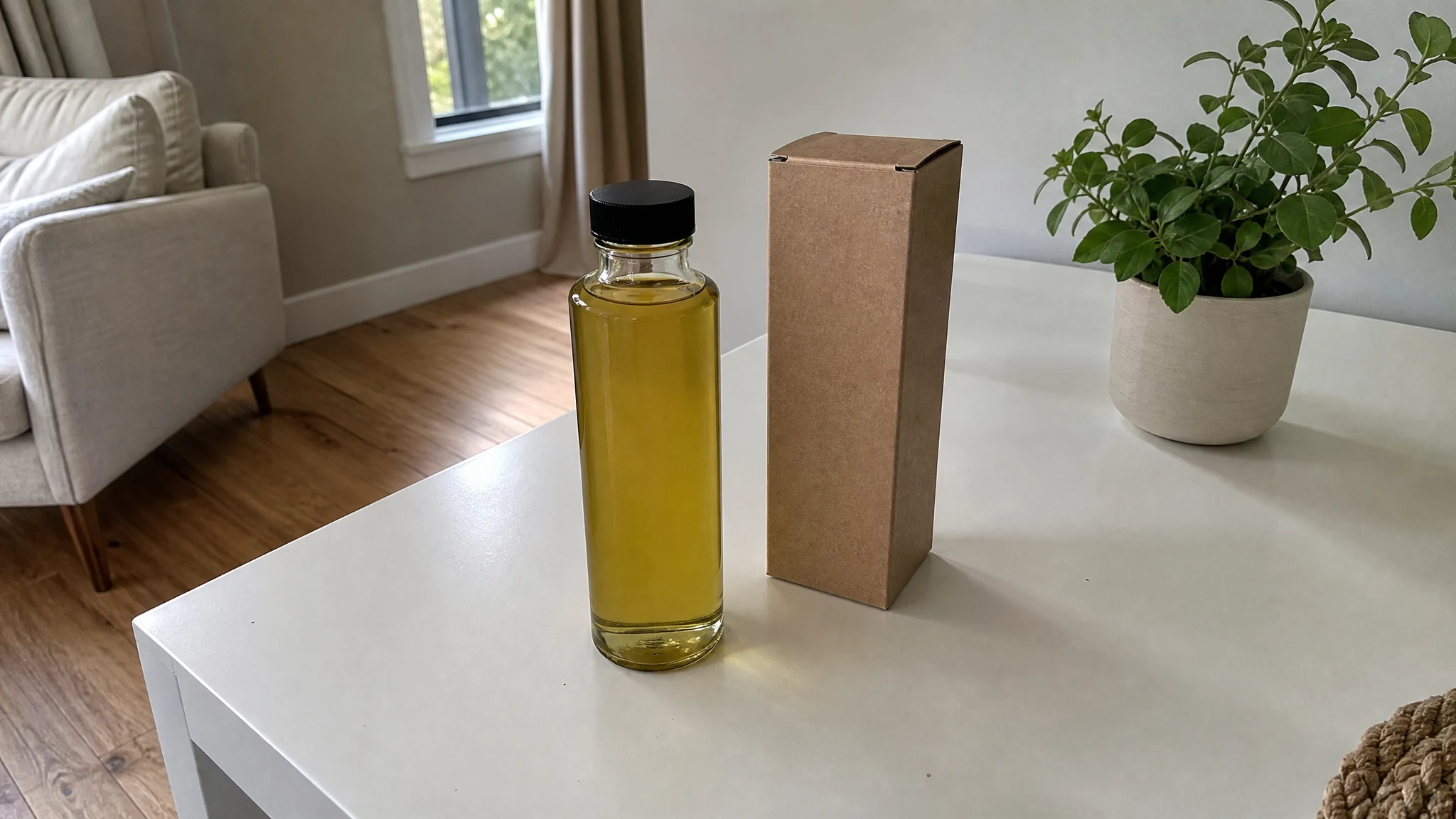
Garlic Oil Certificate of Analysis: How to Read One
A certificate beside the add to cart button feels reassuring, but what does it measure? We walk through ours line by line and what to ask for next.