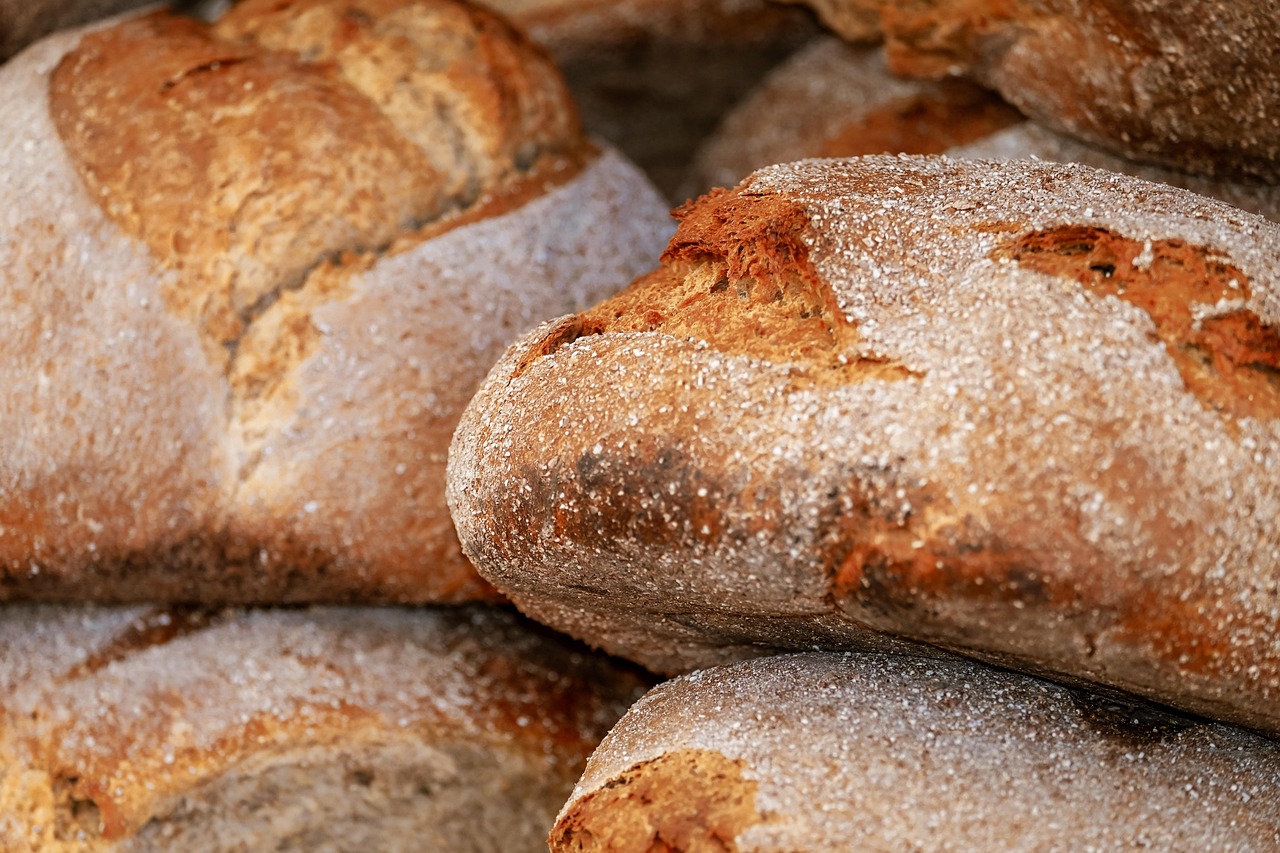
A Signature Rosemary-Garlic Finishing Oil for Bread and Roasts
Some kitchen rituals earn a permanent place on the counter. This rosemary garlic oil is one of them. Poured over a warm sourdough crust, drizzled across a resting roast, or pooled in a shallow dish for tearing and dipping, a well-made herb infused oil transforms an ordinary moment into something worth slowing down for. This guide walks you through exactly how to make it, why each ingredient earns its spot, and how to adjust the formula to suit your kitchen and your palate.
If you are new to working with garlic essential oil in the kitchen, the ultimate guide to cooking and crafting with garlic oil is a strong starting point before you dive into this recipe. It covers dilution fundamentals, flavor intensity, and how a single bottle can work across many preparations.
Why a Finishing Oil, Not a Cooking Oil
The distinction matters. A finishing oil is applied after heat, or at the very end of cooking. Garlic essential oil is potent and volatile. High direct heat drives off its most delicate aromatic compounds quickly, leaving behind a sharper, sometimes bitter edge. When you add this rosemary garlic oil at the finish, the warmth of the food opens the aroma gently without burning it away. You get the full, round character of the garlic alongside the piney brightness of rosemary, rather than a diminished version of either.
This approach also gives you precise control. A single drop of garlic essential oil carries the aromatic equivalent of one to two cloves of fresh garlic, depending on the oil's concentration. Starting at the finish, where you can taste and adjust, keeps the flavor exactly where you want it.
The Ingredient at the Center: Garlic Essential Oil
Not all garlic essential oils perform the same way in a finishing oil. The variety used here is a steam-distilled garlic oil with a clean, sulfurous-sweet profile and minimal harshness. Look for an oil sourced from organically grown bulbs, with a clear or pale yellow color and a pungency that reads as sharp-but-bright rather than acrid.
Quality matters more here than in many other applications because the oil is not being cooked down or masked by other strong flavors. It is front and center. A poorly sourced garlic essential oil can carry off-notes (think rubbery or stale) that no amount of rosemary will rescue.
For a closer look at how one bottle of quality garlic oil performs across an entire week of real cooking, the case study on a week of cooking with one bottle of garlic offers honest, practical observations from actual kitchen use.
Full Ingredients List
This recipe makes approximately 100 ml of finished finishing oil, which fills a standard 3.4-ounce bottle comfortably. Scale up or down as needed, keeping the ratios consistent.
Base and Aromatics
| Ingredient | Amount (ml) | Amount (drops / notes) | Role |
|---|---|---|---|
| Extra-virgin olive oil (cold-pressed) | 97.5 ml | Approx. 6.5 tablespoons | Carrier and flavor base |
| Garlic essential oil (steam-distilled) | 0.5 ml | 10 drops | Primary aromatic |
| Rosemary essential oil (ct. camphor or verbenone) | 1 ml | 20 drops | Herbal brightness and complexity |
| Dried rosemary (whole sprigs, food-grade) | 2-3 sprigs | Visual and mild passive infusion | Aesthetic and layered aroma |
| Flaked sea salt (optional, for serving) | To taste | Finishing element | Flavor balance at table |
Total dilution rate: The essential oils (garlic and rosemary combined) make up approximately 1.5% of the finished oil by volume. This falls within a conservative, well-tolerated range for a food-application finishing oil used in small quantities per serving.
Step-by-Step Blending Instructions

- Prepare your bottle. Use a clean, dry glass bottle with a tight-fitting cap or a dropper top. Dark amber or cobalt glass is ideal because it limits light exposure, which can degrade both the olive oil and the essential oils over time. Sterilize the bottle with boiling water or food-safe sanitizer and allow it to dry completely before use.
- Measure the olive oil. Pour 97.5 ml of cold-pressed extra-virgin olive oil into the bottle or a clean measuring cup. A high-quality olive oil with mild grassiness works well here. Strongly bitter or intensely peppery varieties can compete with the garlic and rosemary rather than complement them.
- Add the rosemary essential oil first. Using a clean dropper, count 20 drops of rosemary essential oil directly into the olive oil. Swirl gently. Rosemary goes in first because it is slightly less volatile than garlic essential oil, and layering the aromatics this way helps them integrate more smoothly.
- Add the garlic essential oil. Count 10 drops of garlic essential oil into the mixture. Cap the bottle and roll it slowly between your palms for about 30 seconds. Do not shake vigorously, which can introduce unnecessary air and accelerate oxidation.
- Add the dried rosemary sprigs. Tuck 2 to 3 food-grade dried rosemary sprigs into the bottle. They infuse passively over time and add a beautiful visual element. Make sure the sprigs are fully submerged in oil to reduce any surface exposure to air.
- Rest before using. Let the finished oil sit at room temperature for at least 4 hours before first use. Overnight is better. The aromatic compounds need time to marry into the olive oil base, and the difference between freshly made and rested oil is noticeable in both aroma and flavor cohesion.
- Taste and adjust. After resting, pour a small amount onto a piece of bread and taste. If the garlic reads as too sharp, add another tablespoon of olive oil to the bottle and re-roll. If you want more herbal lift, add 5 additional drops of rosemary essential oil and rest for another hour.
How to Use It
The name says finishing oil, and that is its primary role. Here are the moments where it performs best:
- Bread dipping: Pour a generous pool into a shallow dish. Add a pinch of flaked sea salt and a grind of black pepper. Serve immediately with torn sourdough, focaccia, or ciabatta.
- Roast finishing: After pulling a roast chicken, lamb, or pork loin from the oven, drizzle 1 to 2 teaspoons over the surface while the meat rests. The residual warmth draws the aroma up without cooking it away.
- Vegetable gloss: Toss roasted root vegetables (carrots, parsnips, potatoes) with a light drizzle just before plating. The oil clings and adds aromatic depth without overwhelming the natural sweetness of the vegetables.
- Pasta finish: Add half a teaspoon to a finished pasta dish in place of the standard butter or plain olive oil finish. Works particularly well with simple aglio e olio or white bean pasta.
Dilution, Safety Notes, and Patch Testing
The 1.5% essential oil dilution in this recipe is intentional and conservative. Garlic essential oil is potent. Using it undiluted on food or skin is not recommended. Even in culinary applications, concentration matters. Start at this ratio, taste, and increase only gradually and thoughtfully.
If you plan to use this oil on bread that will be served to guests with known sensitivities to alliums, disclose the ingredients. Some individuals have strong reactions to concentrated allium compounds, even in small amounts.
For those new to handling garlic essential oil directly, avoid prolonged skin contact with undiluted oil during preparation. Use a clean dropper, wash hands after handling, and keep bottles away from eyes. If any skin irritation occurs during handling, rinse thoroughly with a carrier oil (not water) and discontinue contact.
This finishing oil is for culinary and aromatic enjoyment only. It is not a substitute for medical guidance. Please consult a qualified healthcare provider with any specific health questions.
Storage and Shelf Life

Store the finished rosemary garlic oil in a cool, dark location away from direct sunlight and heat sources. A kitchen cupboard away from the stove works well. Avoid the refrigerator for bottles with dried herb sprigs inside, as condensation can introduce moisture.
The shelf life depends primarily on your olive oil base. A fresh, high-quality cold-pressed extra-virgin olive oil typically has a 12 to 18 month window from pressing. Once you have added the essential oils and dried herbs, plan to use the bottle within 60 to 90 days for peak aromatic quality. Label each bottle with the date made.
Signs that the oil has passed its best: a rancid or flat smell from the olive oil base, cloudiness that does not clear after coming to room temperature, or a loss of the bright rosemary-garlic character you had on day one.
Three Variations Worth Exploring
Variation 1: Lemon-Rosemary Garlic Oil
Add 10 drops of cold-pressed lemon essential oil (food-grade) alongside the rosemary and garlic. The citrus note cuts through the richness of the olive oil and adds brightness that pairs beautifully with fish, grilled asparagus, and lemony pasta. Reduce the rosemary essential oil to 15 drops to keep the overall balance in check.
Variation 2: Black Pepper and Garlic Oil
Swap the rosemary essential oil for 15 drops of black pepper essential oil and add 5 drops of thyme essential oil (linalool variety for a gentler profile). This combination leans savory and warm, and works especially well as a finishing oil over grilled steaks or roasted mushrooms. The black pepper adds a dry, woody depth that complements the sulfurous brightness of the garlic.
Variation 3: Herb Garden Blend
Use 10 drops of garlic essential oil, 10 drops of rosemary essential oil, 5 drops of basil essential oil, and 5 drops of oregano essential oil, all in the same 97.5 ml olive oil base. This variation has the full-garden aroma of a summer Italian kitchen. It is versatile enough to use over pizza, stirred into a simple tomato sauce at the last moment, or poured over fresh mozzarella and sliced tomatoes.
For an even deeper dive into the many ways garlic oil can be incorporated into both cooking and crafting projects, the step-by-step guide to making garlic infused olive oil at home walks through the full cold-infusion process as an alternative method worth knowing.
A Note on Sourcing Quality Ingredients
The aromatic quality of your finished herb infused oil is entirely dependent on the starting materials. A fresh, traceable garlic essential oil and a high-quality cold-pressed olive oil are not interchangeable with inferior versions. The recipe is simple enough that the ingredients carry full responsibility for the result.
Seek garlic essential oil that lists clear sourcing information, a GC/MS test result available on request, and a harvest or distillation date. Oils without this information are harder to evaluate for potency and freshness, both of which affect the final flavor and aroma of your garlic finishing oil.
When you have good ingredients and a little patience during the resting phase, this rosemary garlic oil becomes something you will find yourself reaching for constantly. It earns its place on the counter.