Cooking and Crafting With Garlic Oil: The Ultimate Guide
Key Takeaways
- Garlic oil comes in two distinct forms: culinary infusions made at home, and concentrated essential oil distilled from garlic bulbs. Each has its own uses and handling requirements.
- Homemade garlic infused olive oil is straightforward to make, but food safety guidelines around storage are non-negotiable. Refrigerate always and use within one to two weeks.
- Garlic oil pairs beautifully with a wide range of flavors, from citrus and chili to aged cheeses and fresh herbs.
- Crafting projects using garlic oil include garden sprays, artisan soap, and aromatic household preparations. Each application calls for appropriate dilution and care.
- Whether you source or make your oil, quality of the base carrier and the garlic itself determines the final result.
Garlic oil is one of those ingredients that feels almost unfairly useful. A small bottle of it can finish a pizza, anchor a vinaigrette, add depth to a grain bowl, and scent a bar of artisan soap. It shows up in Italian grandmothers' kitchens, in professional pastry stations (yes, really), and increasingly in the craft and DIY space where botanical ingredients are having a well-deserved moment.
This guide covers the full landscape. You will learn how to make garlic infused olive oil at home using multiple methods, work through a collection of tested garlic oil recipes, understand the nuances of flavor pairing, store your oil safely, and explore crafting applications that go well past the dinner plate. By the end, you will have a working knowledge of garlic oil that goes deeper than any single recipe article can offer.
One thing to establish up front: this guide covers both culinary garlic oil (infused oil you cook with and eat) and concentrated garlic essential oil (a steam-distilled botanical extract used in crafting, aromatics, and diluted applications). They are related, but they are not the same product. We will be specific about which one we are discussing at each stage.
What Is Garlic Oil? Culinary vs. Essential Oil Explained
The term "garlic oil" gets used loosely, and that looseness can cause real confusion at the kitchen counter or the craft table. Let's sort it out.
Culinary Garlic Infused Oil
Culinary garlic oil is a carrier oil (most often olive oil, but sometimes avocado, sunflower, or a neutral oil) that has been infused with fresh, dried, or roasted garlic. The garlic flavor and aroma compounds dissolve into the oil over time, producing something deeply savory and versatile. This is the oil you drizzle over bruschetta, toss with pasta, or use as a bread dip. It is an ingredient you consume.
The base oil matters enormously here. Extra virgin olive oil brings its own grassy, peppery character to the infusion, which works wonderfully in Mediterranean cooking. A neutral oil like sunflower or light avocado oil lets the garlic speak without competition, which is better for Asian-inspired preparations or when you want a clean canvas.
Garlic Essential Oil
Garlic essential oil is a concentrated botanical extract produced through steam distillation of Allium sativum. The result is a potent, dense liquid that smells intensely of garlic (some would say aggressively so). It is not a cooking oil in the conventional sense. You would not drizzle it over salad. Instead, it is used by the drop: in crafting projects, in diluted topical preparations, in garden-focused DIY sprays, and in aromatics where only a very small amount is needed to create a strong effect.
The key compound responsible for most of garlic's characteristic scent and bioactive potential is allicin, along with related sulfur compounds including diallyl disulfide and diallyl trisulfide. These are present in concentrated form in genuine garlic essential oil. Because of that concentration, handling guidelines are important. Always dilute garlic essential oil before any skin contact, and use it in small quantities.
A Quick Comparison
| Feature | Culinary Garlic Infused Oil | Garlic Essential Oil |
|---|---|---|
| Made by | Infusing garlic in a carrier oil | Steam distillation of garlic |
| Primary use | Cooking and eating | Crafting, aromatics, diluted applications |
| Dilution needed? | No (used as-is in recipes) | Yes, always before skin or surface contact |
| Shelf life | 1 to 2 weeks refrigerated | 2 to 3 years properly stored |
| Scent intensity | Mild to moderate | Very strong |
| Cost | Low (DIY) to moderate | Moderate to high per bottle |
How to Make Garlic Oil at Home: Four Methods
Making your own garlic infused olive oil at home is one of the most satisfying things you can do in a kitchen. The process is simple enough for a weeknight, and the result outperforms most commercial versions in both freshness and flavor depth. Here are four approaches, arranged roughly from quickest to most developed in flavor.
Method 1: Quick Stovetop Infusion (20 Minutes)
This is the method to reach for when you want garlic oil today and do not have time to wait. It produces a bright, relatively sharp garlic flavor.
- Peel and lightly crush 6 to 8 garlic cloves. You want them bruised but not minced.
- Combine with 1 cup of your chosen oil in a small saucepan.
- Heat over low heat, aiming for around 180°F (82°C). Use a thermometer if you have one.
- Hold at that low temperature for 20 minutes, watching carefully. The garlic should become lightly golden, not brown.
- Remove from heat, cool completely, strain out the garlic solids, and transfer to a clean glass jar or bottle.
- Refrigerate immediately and use within one week.
Safety note: Never skip the refrigeration step with fresh garlic infusions. Garlic submerged in oil at room temperature creates conditions that food safety authorities have flagged for potential bacterial growth. Keep it cold and use it quickly.
Method 2: Cold Infusion (3 to 7 Days)
Cold infusion skips the heat entirely. The flavor is subtler and takes longer to develop, but some cooks prefer the cleaner taste it produces.
- Slice garlic cloves thinly (thin cuts expose more surface area).
- Place in a clean, dry glass jar and cover completely with oil.
- Seal and refrigerate for 3 to 7 days, shaking gently once a day.
- Taste on day three and decide if you want a longer infusion.
- Strain, bottle, label with the date, and keep refrigerated. Use within 10 days.
Method 3: Roasted Garlic Oil (Mellow and Sweet)
Roasting transforms garlic from sharp and pungent to soft, caramelized, and almost nutty. The oil infused from roasted garlic takes on those same qualities. This version is exceptional for spreading on bread, finishing risotto, or using as a base for salad dressings.
- Preheat your oven to 375°F (190°C).
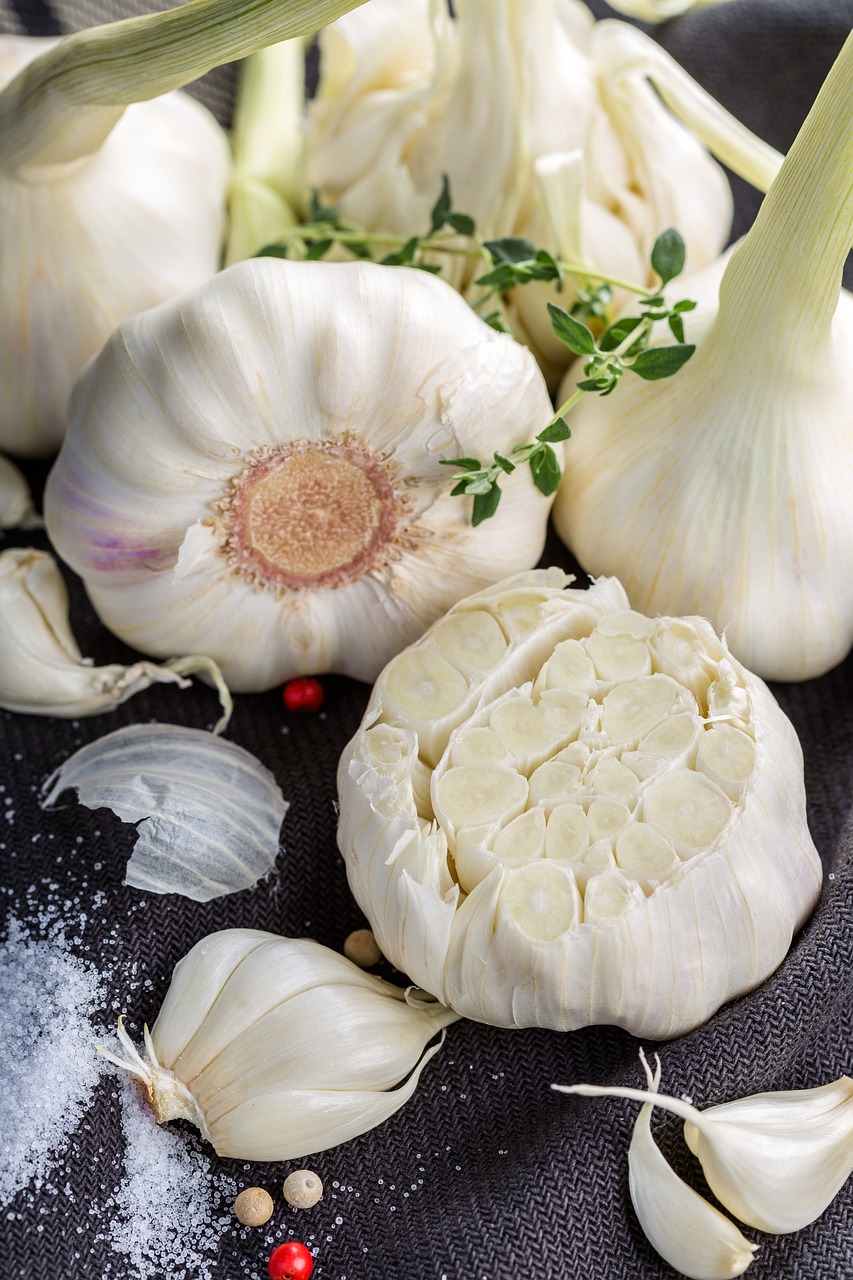
- Slice the top off a whole head of garlic to expose the cloves.
- Place cut-side up in a small baking dish, drizzle with a tablespoon of olive oil, and cover with foil.
- Roast for 40 to 45 minutes until the cloves are golden and completely soft.
- Squeeze the roasted cloves out of their skins into a blender or food processor.
- Add 1 cup of olive oil and blend until smooth, or combine them loosely for a chunkier texture.
- Strain if you prefer a clear oil, or leave it slightly textured. Refrigerate and use within one week.
Method 4: Dried Garlic Infusion (Longer Shelf Life, Safer)
Using dried garlic flakes or granulated garlic instead of fresh sidesteps many of the food safety concerns associated with fresh garlic in oil, because the moisture content is dramatically lower. The flavor is different from fresh, with a slightly muted, almost toasty quality, but the shelf life extends to about a month when refrigerated.
- Add 2 tablespoons of dried garlic flakes to 1 cup of oil in a jar.
- Shake well and let sit at room temperature for 24 hours (dried garlic is safe at room temperature for this initial infusion period).
- Taste and decide if you want a stronger flavor. If yes, let sit another 12 to 24 hours.
- Strain and bottle. Refrigerate and label with the date.
Garlic Oil Recipes for Every Day Cooking
Once you have a bottle of garlic oil in the refrigerator, you will find yourself reaching for it constantly. The recipes below range from genuinely simple weeknight meals to more involved weekend projects. Each one is designed to let the garlic oil do real work, not just sit in the background.
Aglio e Olio: The Classic That Started Everything
Pasta with garlic and oil is the dish that most people think of when garlic oil comes up, and it earns that association. The classic aglio e olio is a study in restraint: a few ingredients, prepared with care, producing something that tastes like more than the sum of its parts.
The traditional version calls for thinly sliced fresh garlic, good olive oil, red pepper flakes, pasta water, and parsley. If you have pre-made garlic oil on hand, it streamlines the process significantly. Use about 4 tablespoons of garlic oil for every 200 grams of dried spaghetti. Finish with a splash of starchy pasta water to emulsify the sauce, a pinch of chili flakes, and a generous handful of flat-leaf parsley. That is essentially the whole recipe.
Garlic Oil Flatbread
This is the fastest bread project you can make with garlic oil. Use store-bought pizza dough or your own. Roll it thin, brush generously with garlic oil, and bake at 450°F (230°C) on a hot baking sheet or pizza stone for 8 to 10 minutes. Finish with flaky sea salt and fresh rosemary. The edges blister and the garlic oil soaks into the dough as it cooks, creating pockets of deep flavor throughout.
Garlic Oil Vinaigrette
This vinaigrette works on any salad, but it particularly shines on bitter greens like radicchio, endive, or arugula, where the richness of the garlic oil balances the sharpness of the leaves.
- 3 tablespoons garlic oil
- 1 tablespoon red wine vinegar
- 1 teaspoon Dijon mustard
- 1 teaspoon honey
- Salt and pepper to taste
Whisk together until emulsified. Use immediately or store in the refrigerator for up to three days. Bring to room temperature and shake before using, as the oil will solidify slightly when cold.
Crispy Garlic Oil Fried Eggs
Heat a generous pour of garlic oil in a skillet over medium-high heat. Crack in two eggs and let them cook undisturbed for about 90 seconds. The edges will crisp and ruffle in the hot garlic oil. Baste the tops with spoonfuls of the hot oil from the pan until the whites are just set but the yolks are still runny. Serve over rice, toast, or a bowl of braised greens.
Crunchy Garlic Chili Oil
This is the condiment version of garlic oil, pushed into more complex territory with the addition of dried chilies, sesame seeds, and aromatics. The result is something addictive. For a complete walkthrough, see our dedicated guide to crunchy garlic chili oil. The short version: slowly fry thinly sliced garlic in neutral oil until golden, add Sichuan peppercorns and dried chili flakes, pour the hot oil over sesame seeds and additional spices, and let it cool before jarring. Use it on everything.
Garlic Oil Roasted Vegetables
Swap out your usual cooking oil for garlic oil when roasting almost any vegetable. It works especially well with root vegetables (carrots, parsnips, potatoes), brassicas (broccoli, cauliflower, Brussels sprouts), and summer squash. Toss the vegetables generously in garlic oil, season with salt, and roast at 425°F (220°C) until caramelized and tender. The garlic compounds in the oil toast against the hot pan surfaces, creating a depth of flavor that plain oil simply cannot match.
Black Garlic Oil (Mayu)
Black garlic, which is regular garlic that has been slowly aged under heat and humidity until its natural sugars develop into something complex and almost molasses-like, produces one of the most interesting oils in this guide. Black garlic oil, known as mayu in ramen culture, is made by charring black garlic and blending it into oil until you have a dark, smoky, intensely flavored condiment. It is a finishing oil, dropped by the spoonful into ramen bowls, spooned over grilled meats, or stirred into miso-based dressings. Its flavor is in a completely different register from regular garlic oil: less pungent, more roasted and caramelized, with a bittersweet quality.
Garlic Oil Popcorn
This is a small recipe, but it earns its place here because it converts people who have not cooked with garlic oil before. Pop your corn in a neutral oil on the stovetop. Transfer to a bowl. Drizzle with 2 tablespoons of warm garlic oil, toss well, then season with nutritional yeast, smoked paprika, and fine salt. The garlic oil coats every kernel. It is a genuinely different experience from garlic butter popcorn, lighter and with a cleaner garlic presence.
Flavor Pairings and Kitchen Combinations
Garlic oil is not a neutral background ingredient. It has a personality, and understanding what it pairs well with will help you use it more confidently and creatively. For a full exploration of the topic, see our piece on what flavors pair with garlic oil. Here is the overview.
Classic Pairings
Lemon and garlic oil is one of the most reliable combinations in savory cooking. Acid brightens the oiliness, and lemon in particular has a natural resonance with garlic's sulfurous notes. Use them together on grilled fish, roasted chicken, or simple grain salads.
Fresh herbs, particularly parsley, basil, thyme, and oregano, blend harmoniously with garlic oil. The green, slightly bitter character of fresh herbs cuts through the richness of the oil and creates balance. This is the logic behind aglio e olio's classic parsley finish.
Aged cheeses like Pecorino Romano, Parmigiano-Reggiano, and aged Manchego work well because their salt and umami content amplify the savory qualities of garlic oil without competing with it.
Chili, in its many forms (fresh, dried, flaked, as chili paste), is a deeply natural partner for garlic oil. Heat and garlic have traveled together across nearly every cooking tradition. The pairing works because capsaicin and garlic compounds seem to reinforce each other's aromatic presence.
Less Obvious but Rewarding Pairings
Miso and garlic oil is a combination worth building an entire sauce around. Miso's fermented, salty depth pairs with garlic oil's savory weight to create something umami-rich and complex. Whisk them together with rice vinegar and sesame oil for a dressing that works on noodles, grilled eggplant, or roasted squash.
White beans are almost made to be cooked in garlic oil. Their creamy, starchy texture absorbs the oil completely, and they benefit from the savory lift. A simple braise of white beans in garlic oil with sage and a splash of white wine is one of the great overlooked dishes in Italian-influenced cooking.
Dark chocolate and garlic oil is a pairing that sounds alarming and is actually used in some avant-garde chocolate making. A single drop of garlic essential oil in a large batch of dark chocolate ganache adds a faint savory undertone that most tasters cannot identify but find intriguing. This is absolutely an experiment for adventurous cooks only.
Anchovies and garlic oil reinforce each other's umami character. Together, they build a savory base that forms the foundation of many classic sauces, from bagna cauda to the punch of a properly made Caesar dressing.
Pairings to Approach Carefully
Delicate proteins (white fish, lightly seasoned tofu, soft-scrambled eggs) can be overwhelmed by assertive garlic oil. Use a lighter hand, or opt for a cold-infused version with a more restrained flavor profile. Sweet desserts, fruity profiles, and dairy-forward dishes like panna cotta or mild fresh cheeses rarely benefit from garlic oil and are generally better left without it.
Storing Garlic Oil Safely: What You Need to Know
This section deserves its own dedicated space because the storage of garlic oil, particularly homemade garlic infused olive oil, involves food safety considerations that are important to understand before you make your first batch.
The Core Issue With Fresh Garlic in Oil
Fresh garlic submerged in oil creates a low-oxygen, low-acid environment. In that kind of environment, Clostridium botulinum spores, which can be naturally present on garlic, have the potential to produce toxins. This is not a risk unique to homemade garlic oil. It applies to any preparation that combines fresh garlic with oil and stores the result at room temperature.
Food safety authorities, including the USDA and Health Canada, have issued specific guidance on this: homemade garlic-in-oil preparations should be stored in the refrigerator and used within one to two weeks. Do not store them on the counter, even if the bottle looks attractive there. Do not keep them for months on the shelf.
Safe Storage Guidelines at a Glance
| Garlic Oil Type | Storage Location | Maximum Recommended Duration |
|---|---|---|
| Fresh garlic infused oil | Refrigerator only | 1 to 2 weeks |
| Roasted garlic oil | Refrigerator only | 1 week |
| Dried garlic infused oil | Refrigerator (preferred) | Up to 4 weeks |
| Commercial garlic oil (sealed) | Cool, dark pantry until opened | Per manufacturer's date |
| Garlic essential oil | Cool, dark location, sealed | 2 to 3 years |
Practical Tips for Storage
Use dark glass bottles if possible. Light degrades oil quality more quickly than most people realize, and a dark bottle extends the usable life of your infusion. Label every bottle with the date it was made. This sounds fussy, but after a week or two in the refrigerator, it becomes genuinely difficult to remember when you made something.
Olive oil solidifies in the refrigerator, turning cloudy and thick. This is completely normal and does not indicate any problem with the oil. Simply remove the bottle 15 to 20 minutes before using to let it return to a pourable consistency. The flavor is unaffected.
If you want a shelf-stable garlic oil for gifting or for keeping longer, use the dried garlic method, add a small amount of citric acid to lower the pH, or follow a properly tested acidification process from a reputable food preservation source. Do not improvise food safety adjustments without a verified formula.
Storing Garlic Essential Oil
Garlic essential oil is a different story. Because it is a distilled product with very low moisture content, it is shelf-stable for 2 to 3 years when stored correctly. Keep it in a dark glass bottle (amber or cobalt), away from heat and direct light, with the cap tightly sealed. Essential oils can oxidize over time, which changes their scent profile and reduces their potency. A cool, dark drawer or dedicated essential oil storage box is ideal.
Crafting With Garlic Oil: Beyond the Kitchen
This is where the guide shifts territory, and it is worth pausing to acknowledge why garlic oil belongs in the crafting conversation at all. Garlic has been used in non-culinary preparations across many cultures for a very long time. The modern interest in botanical crafting has brought garlic essential oil into projects ranging from garden care to artisan cosmetics. This section focuses on practical, well-established crafting applications.
Garden Spray: A Traditional Grower's Tool
Perhaps the most well-known non-culinary use of garlic oil is in the garden, where it has a long history as a component of traditional deterrent sprays. A diluted garlic oil spray, applied to plant leaves, has been used by generations of growers who wanted a botanical option for discouraging certain insects and other unwanted visitors.
For a full step-by-step on making and using a DIY garlic oil spray for the garden, see our dedicated guide. The basic preparation involves diluting a small amount of garlic essential oil into water with a small quantity of liquid castile soap to help it emulsify. Typical starting ratios are around 10 to 15 drops of garlic essential oil per liter of water, combined with a teaspoon of soap. Shake well before each use, as the mixture will separate.
Important note: Always test a garden spray on a small section of a plant first and wait 24 hours before applying more broadly. Some plants are more sensitive than others to oil-based sprays, particularly in direct sun, which can cause leaf scorch.
Artisan Soap Making
Garlic essential oil is used in a niche category of artisan cold-process soap, typically marketed for its strong scent and the perceived benefits of garlic's aromatic compounds. Because soap-making involves a saponification process that alters the chemistry of what goes into it, the scent of garlic in finished soap is often quite different from fresh garlic. It tends to be warmer, more mineral, and significantly less pungent once the soap has cured.
Standard usage rates for garlic essential oil in cold-process soap are generally around 0.5% to 1% of the total oil weight. That is a conservative range, and for good reason: garlic essential oil is potent, and using too much can cause skin sensitivity. Always follow established soap-making safety protocols, including correct lye calculations, appropriate personal protective equipment during the lye-handling stages, and a full cure time of at least four weeks before use.
Aromatic Diffuser Blends
Garlic essential oil is not a common diffuser oil. Its scent profile is strong, polarizing, and tends to take over a room quickly. That said, a very small proportion of garlic essential oil blended into a warmer, more grounding diffuser base can add an interesting savory depth that some people find grounding and earthy.
If you want to experiment, start with one drop of garlic essential oil in a diffuser blend of 10 to 12 total drops. Pair it with rosemary, cedarwood, or black pepper, which have compatible aromatic characters. Run the diffuser in a well-ventilated space. This is genuinely experimental territory, and individual responses to the scent will vary widely.
Infused Oil for Cosmetic Formulation
Some cosmetic formulators incorporate diluted garlic-infused oil into products designed for scalp or beard care applications, drawn by garlic's longstanding botanical reputation and its sulfur content, which is associated with keratin support in hair. These are typically formulations using a garlic-infused carrier oil (not neat essential oil), created with careful dilution and tested for skin compatibility.
If you are formulating cosmetics that will be applied to skin, follow current Good Manufacturing Practices, conduct patch testing on every new formula, and keep usage rates conservative. A suggested starting dilution for garlic essential oil in cosmetic formulations is 0.1% to 0.5%, well within what professional formulators consider a cautious range for a potent botanical extract.
Safety reminder: Always patch test any garlic oil preparation before applying it to a larger area of skin. Apply a small amount to the inner forearm, wait 24 hours, and check for any response. If you notice any sensitivity, discontinue use. Consult a qualified professional before incorporating any essential oil into leave-on cosmetic products.
Candle and Wax Melt Applications
This is a small but genuinely interesting application. Garlic essential oil has been incorporated into specialty candles designed around culinary-themed scent profiles, often combined with basil, tomato leaf, or oregano essential oils to evoke an Italian kitchen atmosphere. The scent behaves differently when diffused through a wax medium than it does from the bottle, often becoming warmer and more roasted.
Usage rates in candle wax are typically 3% to 6% fragrance load. Given garlic essential oil's strength, start at the lower end and work up incrementally. Test each iteration in a small poured candle before committing to a full batch.
Buying Garlic Oil vs. Making Your Own: A Practical Comparison
There is no single right answer to the make-versus-buy question. Both routes have genuine advantages, and the best choice depends on how you intend to use the oil and how much you value the particular qualities each option offers.
The Case for Making Your Own
Freshness is the primary argument. Homemade garlic infused olive oil, used within a week of making, has a brightness and immediacy that commercially produced versions rarely match. You control the garlic variety, the base oil, the ratio, and the infusion depth. You can tailor it precisely to the dish you are making.
Cost is also a factor. A cup of good olive oil and a head of garlic will produce enough garlic oil for several dinners at a fraction of the cost of most commercial specialty oils.
The process itself has value too. Infusing oil is a slow, quiet kitchen activity that connects you directly to your ingredients. Many cooks find it genuinely satisfying.
The Case for Buying
Convenience is the obvious point. A bottle of good commercial garlic oil or garlic essential oil on your shelf is ready when you are, without any preparation time.
For garlic essential oil specifically, the distillation process requires specialized equipment that home producers cannot replicate. Buying from a reputable supplier who provides GC/MS (gas chromatography/mass spectrometry) testing data, transparent sourcing information, and a clear batch number is genuinely the better option for essential oil. You are getting a consistent, properly extracted product.
When evaluating commercial garlic essential oil, look for these qualities:
- Clearly stated botanical name (Allium sativum)
- Country of origin disclosed
- Extraction method listed (steam distillation)
- GC/MS testing data available on request or published on the website
- Dark glass packaging (amber or cobalt)
- No added synthetic fragrances or diluents
- A harvest or distillation year or batch date
A Note on Cheap Garlic Oil
Very inexpensive garlic-flavored oils (the kind sold in large plastic bottles for a low price) are frequently made with garlic extract, synthetic garlic flavoring compounds, or heavily processed garlic, rather than a genuine infusion or cold-pressed extraction. These can be fine for basic cooking purposes, but they will not give you the flavor depth or the aromatic complexity of a real infusion or genuine essential oil. Price is not always a reliable guide to quality, but extremely low prices in this category often are telling you something worth hearing.
Frequently Asked Questions
Can I use garlic oil as a 1:1 substitute for regular olive oil in cooking?
In most savory applications, yes. The flavor will be more pronounced than plain olive oil, which is usually a positive in dishes where you would have added garlic anyway. For recipes where you specifically do not want a garlic flavor (a delicate dessert, a neutral vinaigrette), plain oil is the better choice.
Why did my garlic turn blue-green in the oil?
This is a known reaction and it is not a sign that the oil is spoiled or unsafe. Fresh garlic contains certain sulfur compounds and amino acids that, when exposed to acidic conditions or cut surfaces, can react to create blue or green pigments. It is a purely aesthetic change caused by chemical compounds in the garlic interacting with each other. The oil is still safe to use. If the color change bothers you, using roasted or dried garlic significantly reduces the likelihood of it occurring.
How is garlic essential oil different from garlic extract?
Garlic essential oil is produced by steam distillation, which captures the volatile aromatic compounds of the garlic. Garlic extract is typically produced by solvent extraction or cold pressing and captures a broader range of compounds, including non-volatile ones. They have different scent profiles, different compositions, and different applications. For crafting and aromatic uses, essential oil is generally the appropriate choice. For dietary supplements (which fall entirely outside the scope of this guide), extracts are more commonly used.
Can garlic essential oil be used in cooking?
Garlic essential oil is extraordinarily concentrated. Some food-grade garlic essential oils are technically safe for consumption at very small quantities, sometimes used in food manufacturing to add flavor. However, this is not a home cooking application in any conventional sense. In a home kitchen context, garlic infused oil is the appropriate product. If you are interested in using essential oils as food flavorings, consult a professional flavorist or food formulator and verify that the specific oil you have is certified food-grade.
Is there a garlic oil option that does not smell as strongly?
For cooking, roasted garlic oil has a significantly mellower, sweeter scent than raw garlic oil, both before and after cooking. For crafting applications, some suppliers offer garlic essential oil that has been partially or fully deodorized, where the sulfurous top notes are reduced while some of the other compounds remain. Deodorized garlic extract is a common ingredient in cosmetic formulations precisely because it provides certain properties associated with garlic without the full aromatic impact.
What carrier oils work best with garlic essential oil for topical crafting?
Jojoba oil is often recommended as a base because of its long shelf life and skin-compatible fatty acid profile. Fractionated coconut oil is another popular choice for its lightweight feel and stability. Avoid carrier oils with very short shelf lives (like flaxseed oil) when diluting garlic essential oil for topical preparations, as the carrier can go rancid before the essential oil does. Always work within established dilution guidelines, typically 1% to 2% essential oil in carrier for general skin applications, and patch test before broader use.
How do I get garlic oil smell off my hands?
Rubbing your hands on a stainless steel surface (a spoon, the side of your sink, a stainless bowl) under cold running water is the method that most cooks swear by. The sulfur compounds that create garlic's scent bind to the steel rather than remaining on your skin. Wash with soap afterward. This works better than soap alone, and considerably better than vigorous scrubbing, which can actually drive the compounds further into the skin.
Pulling It All Together
Garlic oil rewards attention. The more you work with it, whether in a skillet at six in the evening or at a craft table with amber dropper bottles and a small notebook of formulation notes, the more clearly you understand what makes it special. It is not a one-note ingredient. The raw version bites. The roasted version whispers. The essential oil speaks in a concentrated botanical language that has very little to do with Tuesday night pasta.
Start with the stovetop infusion if you have not made your own before. Get comfortable with that. Then try the roasted version. Then, when you are ready to expand further, pick up a properly sourced garlic essential oil from a reputable supplier and see where the crafting applications take you. There is a lot of territory to explore, and almost none of it is difficult. It just requires curiosity and a willingness to follow the garlic wherever it leads.
Consult a qualified healthcare provider before using any essential oil in ways that affect your wellbeing, particularly for topical applications or if you have sensitivities or are pregnant or nursing.