Garlic Oil for Grilling Season: Marinades, Bastes, and Finishing Drizzles
The grill comes out, the evenings stretch long, and suddenly every cook wants something that smells as good as the fire itself. Garlic oil is one of those pantry staples that earns its place every single summer. Bold enough to stand up to high heat, versatile enough for every protein and vegetable on the rack, it quietly anchors some of the best backyard cooking of the year.
This guide covers how to put a quality garlic essential oil (or a well-made garlic-infused oil) to work across three distinct grilling applications: the marinade, the basting brush, and the finishing drizzle. Each stage of the cook calls for a different approach. Get the differences right, and the payoff is flavor with real depth.
Why Garlic Oil Belongs at Every Grill This Summer
Peak grilling season runs roughly from late May through Labor Day. That window lines up neatly with peak fresh garlic availability, when hardneck varieties come in from small farms and the air at every farmers market smells faintly sulfurous in the best possible way. But fresh garlic at the grill has a practical problem: it burns. Minced or sliced cloves that sit directly on a hot grate go bitter fast.
Garlic essential oil solves this in a few ways. Because the aromatic compounds are already extracted and suspended in a carrier oil or blended into a base, you have far more control over how and when the garlic note hits. A garlic oil marinade penetrates the meat before it ever touches heat. A basting oil applied mid-cook carries flavor without the char risk of raw garlic pieces. And a finishing drizzle added after the grill does exactly what it promises: it lands bright, sharp, and raw-tasting in the best possible sense, because it never touched a flame at all.
If you want a broader foundation before diving into these recipes, the ultimate guide to cooking and crafting with garlic oil covers sourcing, dilution ratios, and storage in detail worth bookmarking.
Understanding Your Garlic Oil: Essential Oil vs. Infused Oil
A quick distinction matters before the recipes begin. Garlic essential oil is steam-distilled, extremely concentrated, and measured in drops. Garlic infused oil is made by steeping crushed cloves in a carrier oil like extra-virgin olive oil or avocado oil. Both have a place at the grill, but they behave differently.
- Garlic essential oil: Use 1 to 3 drops per quarter cup of carrier oil. More is not better here. The potency is genuine, and a heavy hand produces a sharp, almost medicinal edge in the finished dish.
- Garlic-infused oil: Measure by tablespoon. The flavor is mellower, more rounded, and more forgiving if you free-pour.
Most of the recipes below are written for garlic-infused oil because that is the format most home cooks have on hand for summer garlic recipes. If you are using essential oil, drop the garlic measurement down dramatically and taste as you build.
Part One: The Garlic Oil Marinade

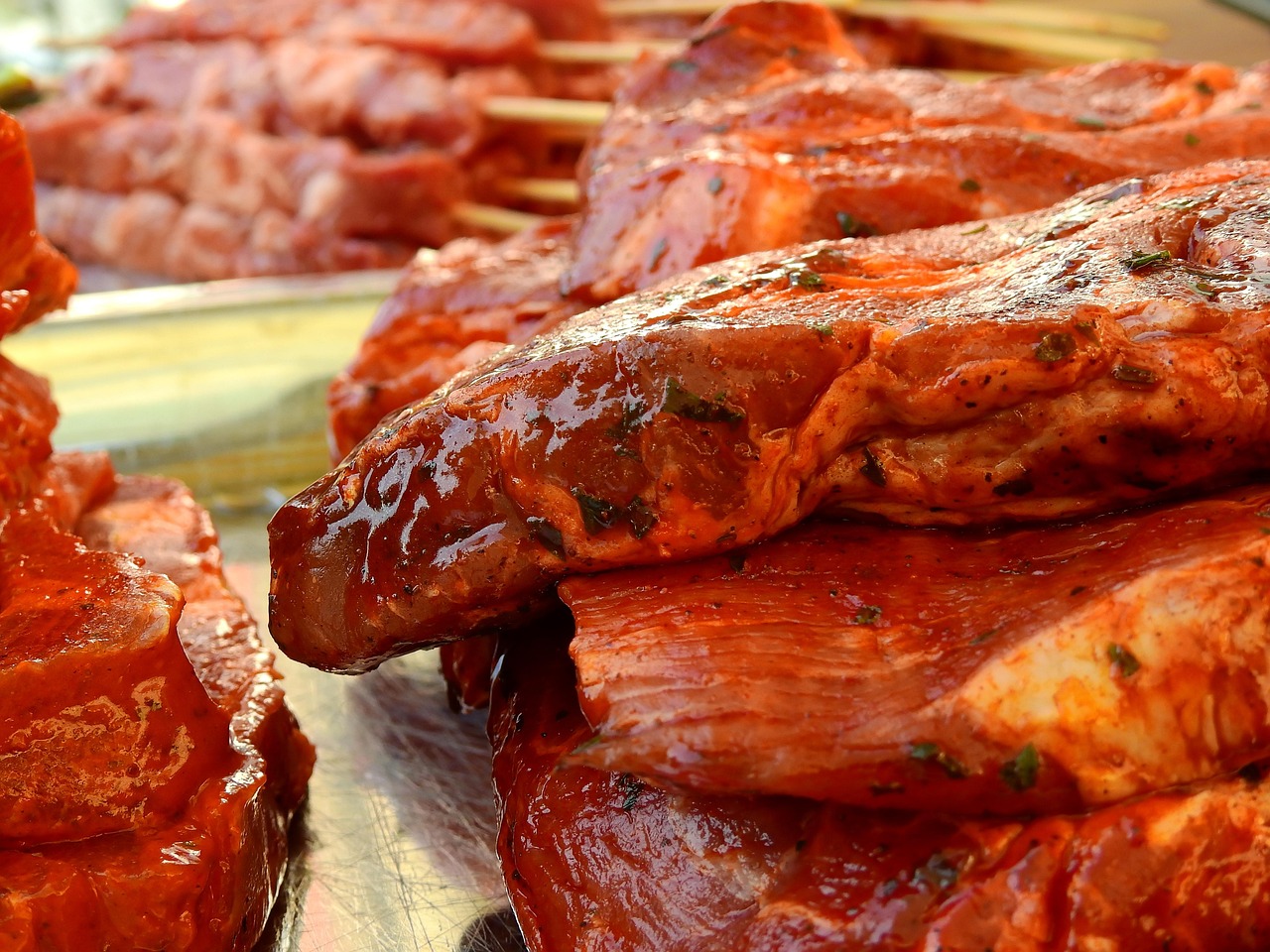
A marinade does its best work in the hours before the grill gets involved. The oil carries fat-soluble aromatics into the surface of the protein, while any acid in the mix (citrus juice, vinegar, wine) begins to change the texture of the outer layer.
All-Season Garlic Oil Marinade
This base works on chicken thighs, pork shoulder steaks, lamb chops, and firm vegetables like zucchini and eggplant. Scale it up freely for large batches.
| Ingredient | Amount | Notes |
|---|---|---|
| Garlic-infused olive oil | 1/4 cup | Or 1/4 cup neutral oil plus 2 drops garlic essential oil |
| Lemon juice, fresh | 3 tablespoons | Lime works for a different profile |
| Dried oregano | 1 teaspoon | Swap for smoked paprika for a Spanish-leaning version |
| Fine sea salt | 1 teaspoon | Kosher salt adds slightly less salinity by volume |
| Cracked black pepper | 1/2 teaspoon | |
| Red pepper flakes | 1/4 teaspoon | Optional, but recommended for chicken |
Whisk everything together in a bowl. Place your protein in a zip-lock bag or shallow dish, pour the marinade over, and refrigerate. Chicken thighs benefit from 4 to 8 hours. Lamb chops: 2 to 4 hours. Vegetables: 30 to 45 minutes only. Longer than that and acid starts to break down their texture in a way that does not cook out well on a hot grate.
Seasonal Variations Worth Trying
- Stone fruit season (July): Replace lemon juice with fresh peach or apricot nectar and add a splash of apple cider vinegar. The sugar caramelizes beautifully on the grill.
- Late summer herb abundance: Add a handful of roughly torn fresh basil or tarragon to the marinade bag. Pull the herbs off before the protein hits the grate.
- Fire-roasted tomato version: Stir a tablespoon of tomato paste into the base for a deeper, slightly sweet backdrop that pairs well with beef skewers.
Part Two: Grilling with Garlic Oil as a Baste
Basting is the mid-cook move. It adds moisture, builds layers of flavor on the crust, and keeps things from drying out during a long cook. The mistake most people make is applying the baste too early or too often, which drops the grill temperature and steams the food instead of charring it.
A good rule: wait until the protein is already seared on the first side and has been flipped before picking up the brush. Then baste every two to three minutes during the final portion of the cook.
Herb-Forward Garlic Basting Oil
This is especially good on bone-in chicken pieces, thick pork chops, and whole fish.
Combine 1/3 cup garlic-infused oil with 2 tablespoons unsalted butter (melted), 1 tablespoon fresh thyme leaves, 1 tablespoon chopped flat-leaf parsley, a pinch of salt, and the zest of half a lemon. Keep warm in a small saucepan at the edge of the grill so it stays fluid and easy to brush.
The butter encourages browning and adds a richness that pure olive oil does not quite match. The herbs perfume the smoke around the food as they hit the heat. Apply with a natural-bristle pastry brush or a bundle of fresh rosemary tied at the stem, which doubles as both tool and seasoning.
Timing Notes for Grilling with Garlic Oil
Garlic-forward oils can smoke and darken at high temperatures. If you are cooking over direct high heat, keep the baste application light. Over indirect heat or on a cooler zone of the grill, you have more freedom to layer on additional coats.
For planked salmon or cedar-board fish, the baste can go on at the beginning of the cook since the plank itself shields the food from direct flame.
Part Three: The Finishing Drizzle

This is arguably the most underused technique in backyard cooking. A finishing drizzle is applied after the food comes off the heat and rests. It adds a fresh, raw aromatics note that you simply cannot get from anything that went near the fire.
Think about how a good restaurant dish often arrives glistening with a thread of oil across the top. That oil is not decoration. It is a flavor layer designed to hit your palate first, before the cooked notes arrive.
Classic Summer Garlic Finishing Oil
For a drizzle that works on grilled steak, vegetables, or bread, combine:
- 3 tablespoons best-quality extra-virgin olive oil
- 1 to 2 drops garlic essential oil (no more)
- A small pinch of flaky sea salt
- Optional: a few drops of lemon juice stirred in just before using
Stir gently rather than whisking. You want the garlic note distributed, not emulsified away. Drizzle over sliced steak the moment it comes off the cutting board, or over a platter of grilled vegetables just before they go to the table.
If you enjoy making flavored finishing oils as a broader practice, the rosemary-garlic finishing oil for bread is a natural companion recipe that fits right into a summer table spread.
Building a Week of Summer Grilling Around One Bottle
A common hesitation with specialty oils is using them up before they go stale. Garlic oil, properly stored in a cool dark spot with a tight-fitting cap, holds well. And a single bottle can carry you through an entire week of varied meals if you plan a little.
Monday: marinate chicken thighs overnight, grill Tuesday. Wednesday: make the herb baste for pork chops. Friday: prepare the finishing oil for a quick steak dinner and use the rest of the bottle on grilled bread Saturday morning.
For a real-world look at how that kind of rotation plays out in practice, the case study on a week of cooking with one bottle of garlic oil maps it out meal by meal.
Practical Notes Before You Light the Grill
Storage at the Grill Station
Keep your basting oil warm but away from open flame. A small cast-iron ramekin or enamel cup at the cool edge of the grill is ideal. Essential oil bottles should stay well away from heat entirely. High temperatures degrade aromatic compounds quickly and can also make glass bottles dangerous to handle.
Food Safety with Infused Oils
Garlic-infused oil made at home carries a risk of botulism if stored improperly. Always refrigerate homemade garlic oil and use it within one week. Commercially produced garlic-infused oils are acidified and preserved properly. If you are making your own infusion for a grilling session, make only what you will use that day.
Smoke Points Matter
Extra-virgin olive oil has a lower smoke point than avocado oil or refined sunflower oil. For high-heat applications, consider using a neutral refined oil as your carrier and adding garlic essential oil to that base instead. This gives you the aromatic character without the acrid smoke that can come from olive oil pushed beyond its comfortable range.
A Few Combinations Worth Keeping in Your Back Pocket
Some pairings come up summer after summer because they work reliably well:
- Garlic oil and preserved lemon on grilled fish
- Garlic oil and sumac as a finishing drizzle for lamb kebabs
- Garlic oil and miso (thinned with a little sesame oil) as a baste for eggplant and mushrooms
- Garlic oil and honey in equal parts as a quick glaze for chicken wings in the final two minutes of a cook
None of these combinations require a special trip to a specialty store. They draw on pantry items most home cooks already have, with the garlic oil as the thread that ties the summer together.
The grill rewards confidence and a little preparation. Build your garlic oil marinade the night before. Keep a jar of basting oil warm at the edge of the fire. Finish with a drizzle that arrives bright and raw and fresh. That sequence, repeated across a season, is how a bottle of good garlic oil earns its shelf space.