Pasta With Garlic and Oil: The Classic Aglio e Olio, Done Right
There is a reason cooks have been making garlic and oil pasta for centuries. It asks almost nothing of you. A handful of pantry staples, a pot of boiling water, and about twenty minutes of honest attention. What it returns is something quietly extraordinary: a glossy, fragrant bowl of noodles that tastes like someone actually thought about what they were doing.
Aglio e olio (that's Italian for garlic and oil) is a dish from Naples, historically the kind of meal prepared late at night when the markets were closed and hunger didn't care. Its genius is in its restraint. There is no cream, no tomato, no protein required. Just pasta, garlic, good olive oil, a little heat, and the starchy cooking water that holds it all together. Get those elements right, and this garlic olive oil pasta will become one of the most-reached-for recipes in your repertoire.
This guide covers the full recipe, the technique behind it, variations worth trying, and a few notes on sourcing quality ingredients. Because with a dish this simple, quality is the whole story.
Before You Begin: A Note on Ingredients
Aglio e olio has exactly six core ingredients. That short list means every single one matters more than it would in a busier dish.
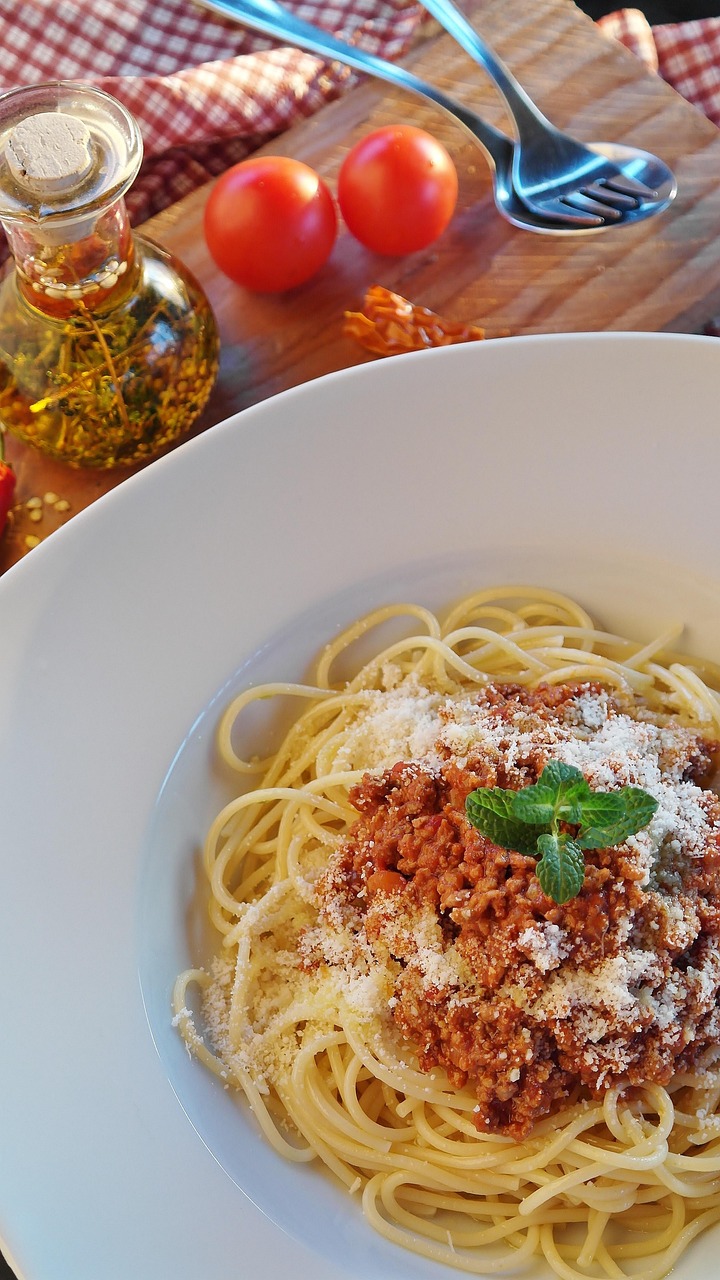
The pasta: Spaghetti is traditional, and for good reason. Its long, thin surface picks up the emulsified oil-and-water sauce beautifully. Linguine works well too. Avoid very thick pasta shapes here; they tend to feel heavy against such a light coating.
The garlic: Fresh, firm cloves only. Garlic that has begun to sprout or soften will turn sharp and acrid in hot oil rather than mellow and golden. Look for tight, dense heads with dry papery skin. If you're curious about the broader world of garlic-infused oils and how to build them for cooking and crafting, the ultimate guide to cooking and crafting with garlic oil is a thorough starting point.
The olive oil: Use a genuinely good extra-virgin olive oil. This is not the place for a neutral vegetable oil or a low-quality blend. The oil is essentially the sauce. Its flavor, its fruitiness, its slight peppery finish will define the dish. Spend a little more here and it shows immediately.
Red pepper flakes: Traditional and not optional for most cooks, though adjustable to your preference. They add a low hum of heat that lifts the whole dish.
Fresh flat-leaf parsley: Adds color and a clean, grassy note that cuts through the richness of the oil.
Pecorino Romano or Parmigiano-Reggiano: Technically optional in the most traditional versions, but practically essential for most home cooks. The salty, nutty cheese pulls the flavors together.
Recipe Details
| Difficulty | Easy to Intermediate |
| Active Prep Time | 10 minutes |
| Cook Time | 15 to 18 minutes |
| Total Time | About 25 to 28 minutes |
| Servings | 2 to 3 as a main course |
Ingredients
- 12 ounces (340g) spaghetti or linguine
- 6 to 8 large cloves of fresh garlic, thinly sliced (about 1/4 cup)
- 1/2 cup good-quality extra-virgin olive oil, plus more for finishing
- 1/2 to 1 teaspoon red pepper flakes (adjust to taste)
- 1/2 cup reserved pasta cooking water (you may use more)
- 1/3 cup fresh flat-leaf parsley, roughly chopped
- 1/2 cup finely grated Pecorino Romano or Parmigiano-Reggiano (optional but recommended)
- Kosher salt, for the pasta water and to taste
- Flaky finishing salt, for serving
Step-by-Step Instructions
Step 1: Salt the Water Aggressively
Fill a large pot with water and bring it to a full rolling boil. Add a generous amount of kosher salt. The water should taste pleasantly salty, like a mild broth. This is the only opportunity you have to season the pasta itself from the inside out. Do not skip it or under-do it.
Step 2: Prep the Garlic
While the water heats, peel and thinly slice all the garlic. Aim for slices that are uniformly thin, roughly 1/16 of an inch. Thick uneven slices will cook at different rates, meaning some will burn before others are golden. A mandoline slicer makes this effortless, but a steady hand and a sharp knife work fine.
Set the sliced garlic aside. Do not do this step hours in advance; cut garlic sitting in open air begins to oxidize and loses some of its delicate sweetness.
Step 3: Cook the Pasta Until Just Shy of Done
Drop the pasta into the boiling salted water. Cook it for two minutes less than the package's suggested time for al dente. The pasta will finish cooking in the pan with the oil, so pulling it early is essential. Before you drain, scoop out at least one full cup of the starchy cooking water and set it aside. This liquid is your emulsifier and your safety net.
Step 4: Build the Oil Base Over Low Heat
While the pasta cooks, pour the olive oil into a large, wide skillet or sauté pan and set it over low to medium-low heat. Add the sliced garlic and the red pepper flakes. The goal here is a slow, gentle bloom. You want the garlic to turn pale golden and fragrant, not browned and bitter. This typically takes five to seven minutes over low heat.
Watch the pan. Do not walk away. Garlic in hot oil can go from golden to burnt in under a minute, and burnt garlic will ruin the dish. As soon as the slices are lightly golden at the edges and the oil smells deeply savory and fragrant, remove the pan from the heat immediately.
Step 5: Bring It Together
Add the drained pasta directly to the pan with the garlic oil. Return the pan to medium heat. Add about 1/4 cup of the reserved pasta water and toss vigorously. The starch in the water helps the oil and water form a cohesive, silky emulsion rather than a separated, greasy coating.
Keep tossing and adding small splashes of pasta water until the pasta is glossy and the sauce coats each strand without pooling at the bottom of the pan. This process takes a minute or two of active movement. Tongs are helpful here.
Step 6: Finish and Serve
Remove from heat. Stir in the chopped parsley. Taste and adjust salt. Plate immediately into warmed bowls. Drizzle a small amount of fresh olive oil over each serving. Top with grated cheese if using, and a pinch of flaky salt. Serve at once. This pasta waits for no one.
Why Technique Matters More Than the Recipe
The written recipe for garlic olive oil pasta fits on an index card. But understanding the technique is what separates a bowl that's remarkable from one that's merely edible.
The emulsification step is the crux of it. Pasta water is not just salty water. It's starchy, and that starch is what allows fat and water to bind rather than separate. If your finished pasta looks greasy or the oil has pooled beneath the noodles, you likely needed more pasta water or more vigorous tossing. The fix is simple: add a splash more water and toss harder over medium heat for another thirty seconds.
The garlic temperature is the other variable. Hot oil will fry garlic quickly and unevenly. Low, patient heat coaxes out the natural sugars, turning those sharp raw slices into something mellow, complex, and almost sweet. That transformation is the soul of garlic and oil pasta.
Variations Worth Exploring
Add Breadcrumbs (Pasta con le Briciole)
Toast a handful of coarse breadcrumbs in a separate dry skillet with a little olive oil until deeply golden and crunchy. Scatter them over the finished pasta in place of or alongside the cheese. The texture is compelling, and the nuttiness complements the garlic beautifully.
Add Capers or Olives
A tablespoon of rinsed capers or a handful of roughly chopped Castelvetrano olives stirred in at the end adds a briny, savory note that plays well against the sweetness of the cooked garlic.
Use Black Garlic
Black garlic has been slowly fermented until its sugars concentrate and its flavor turns molasses-like and complex. Stirring a few cloves of mashed black garlic into the oil alongside or instead of the fresh garlic produces a pasta with remarkable depth. If you want to understand how black garlic oil is built and used, the piece on making mayu and black garlic oil at home is worth reading before you experiment.
Add Lemon Zest
A fine grating of lemon zest stirred in at the end alongside the parsley cuts through the richness with a brightness that makes the dish feel lighter. Especially good in warmer months.
Make It Vegan
Skip the cheese. The emulsified pasta water and good oil carry the dish on their own. A small spoonful of white miso stirred into the hot oil with the garlic can add a savory depth that makes the cheeseless version feel complete.
Substitutions
| Ingredient | Substitution | Notes |
|---|---|---|
| Spaghetti | Linguine, angel hair, bucatini | Avoid very thick shapes |
| Fresh garlic | Black garlic (for sweeter depth) | Use 4 to 5 cloves; flavor profile will change significantly |
| Extra-virgin olive oil | No direct substitute recommended | The oil IS the sauce; quality matters here |
| Pecorino Romano | Parmigiano-Reggiano | Parmigiano is milder and less salty; adjust seasoning accordingly |
| Fresh parsley | Fresh basil, fresh chives | Basil is softer and sweeter; add it off-heat to preserve flavor |
| Red pepper flakes | Fresh red chili, finely sliced | Fresher heat; add earlier in the oil |
Storage and Shelf Life
Aglio e olio is best eaten immediately. The emulsion begins to break as the pasta cools and sits, and reheating tends to make the noodles clump and the oil separate.
If you do have leftovers, store them in an airtight container in the refrigerator for up to two days. To reheat, add a tablespoon of water to a skillet over medium-low heat, add the pasta, and toss gently until warmed through and re-emulsified. Do not microwave it if you can help it; the texture suffers considerably.
The garlic-infused olive oil, if you have made extra for another purpose, should be used within one to two days and kept refrigerated. Do not store homemade garlic-in-oil preparations at room temperature. More detailed guidance on building and safely storing garlic-infused oils is available in the cooking and crafting with garlic oil guide.
A Note on Garlic Oil Beyond the Kitchen
Garlic-infused oil has uses that extend well past the dinner table. Gardeners have long used diluted garlic oil preparations as part of traditional growing practices, particularly as a deterrent applied around plants. If that application interests you, the piece on DIY garlic oil spray for the garden covers traditional methods and proper dilution for outdoor use.
The overlap between kitchen and garden is a good reminder that garlic's appeal cuts across a lot of different traditions. Whether the goal is flavor, fragrance, or practical use in the growing season, the same starting point applies: good garlic, good oil, and the right ratio.
Safety Notes for Garlic Oil Preparation
Food Safety: Homemade garlic-in-oil preparations require care. Garlic is a low-acid food, and storing it submerged in oil at room temperature creates conditions that food safety authorities consider a concern. Always refrigerate garlic-infused oils and use them within one to two days. Do not prepare large batches for long-term storage unless you are using a commercially acidified product or following tested preservation guidelines from a qualified food safety source.
Skin and Topical Use: Raw garlic and undiluted garlic-based preparations can be irritating when applied directly to skin. If using garlic oil in any cosmetic or topical context (as distinct from cooking), always perform a patch test on a small area of skin and allow 24 hours before broader use. Dilute appropriately per established cosmetic formulation standards. Individuals with known sensitivities to alliums should exercise additional caution. Consult a qualified professional before topical use if you have sensitive skin or known skin concerns.
Culinary use of garlic is generally considered safe for most adults. Individuals with specific dietary needs or those taking certain medications should consult their healthcare provider about dietary garlic intake.
The Last Word
Pasta with garlic and oil rewards the cook who pays attention. Thin garlic, good oil, low heat, starchy water, and the willingness to toss the pan until everything looks glossy and cohesive. That's the whole job. It takes less time than most people spend deciding what to order for delivery, and it tastes like something you'd remember.
Make it once. The second time will be faster, more confident, and probably even better.