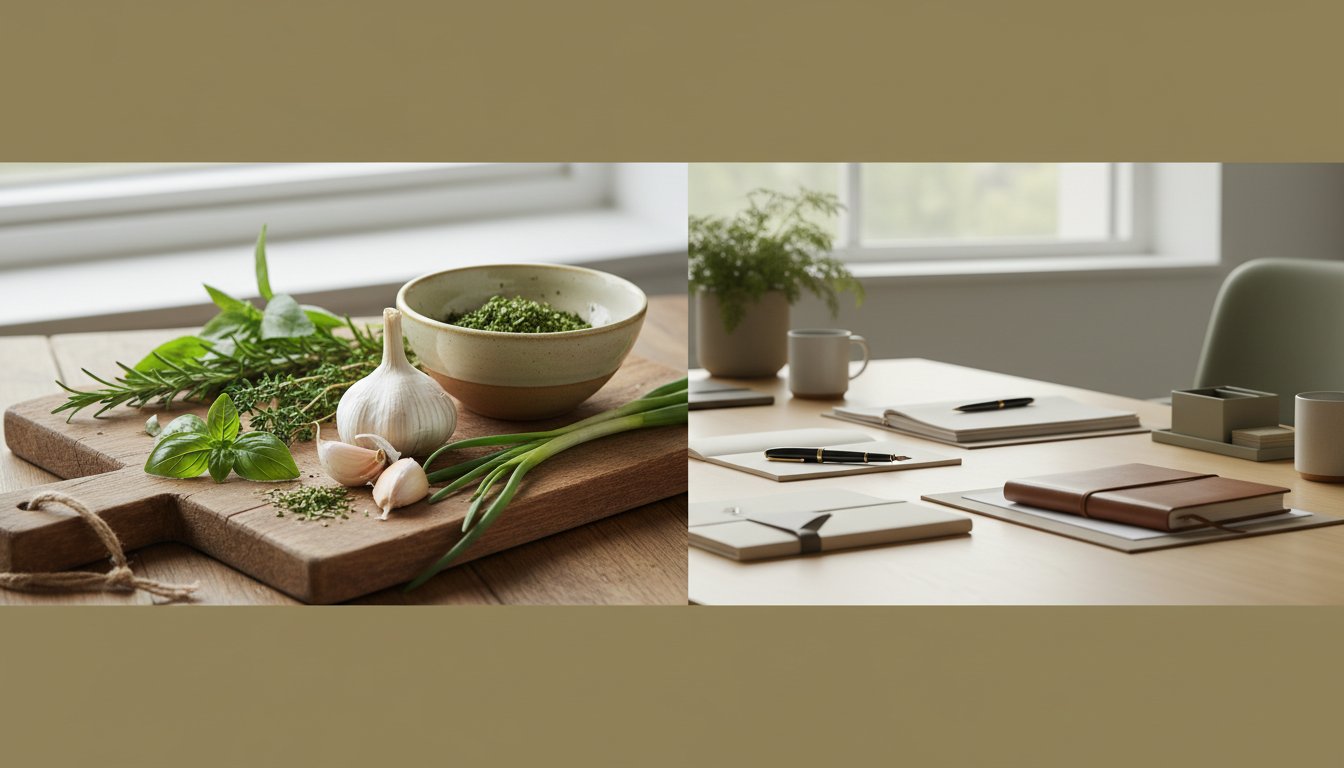
What Flavors Pair With Garlic Oil? 12 Kitchen Combinations
Garlic oil is one of those pantry staples that rewards curiosity. A single drop can shift a dish from flat to compelling, but the real magic happens when you start pairing it thoughtfully. Garlic flavor combinations have been central to cuisines across the world for centuries, and there are good reasons why certain ingredients keep showing up alongside it. This list explores twelve of the most rewarding pairings, with practical notes on how to bring each one into your kitchen.
Whether you are drizzling, whisking, marinating, or finishing, understanding how garlic oil interacts with other flavors will help you cook with more confidence. For a broader foundation on working with this ingredient, the ultimate guide to cooking and crafting with garlic oil is a useful place to start before diving into these specific combinations.
1. Lemon and Bright Citrus
The relationship between garlic and lemon is one of the most reliable in the kitchen. Garlic oil carries a fat-soluble depth that citrus juice alone cannot achieve, and when the two meet, you get a combination that is simultaneously rich and sharp. The acid in lemon lifts the heavier, sulfurous edge of garlic while the oil keeps the whole thing cohesive on the palate.
This pairing works brilliantly as a finishing drizzle over roasted vegetables, grilled fish, or pasta. A squeeze of lemon zest added alongside the juice intensifies the citrus note without adding more liquid, which is useful when you want balance without diluting a sauce.
Practical takeaway: Whisk together garlic oil, fresh lemon juice, and a pinch of flaky salt for a fast dressing that works on almost anything coming off the grill or out of the oven.
2. Fresh Herbs: Rosemary, Thyme, and Parsley
Garlic and fresh herbs are natural companions. Rosemary and thyme both have resinous, slightly piney qualities that complement garlic's pungency without competing with it. Parsley, on the other end of the spectrum, is grassy and bright, offering a counterpoint that keeps the overall flavor from feeling too heavy.
Infusing garlic oil with these herbs during cooking is one approach. Another is combining them at the finish, when the volatile oils in fresh herbs are still intact and vibrant. The latter gives you a more aromatic result, particularly with parsley and soft herbs like basil.
One of the most satisfying uses of this combination is a finishing oil for bread. If you want a proven recipe for exactly that, this rosemary garlic finishing oil for bread is worth bookmarking.
Practical takeaway: Stir finely chopped rosemary or thyme into warmed garlic oil and let it sit for five minutes before using. The brief rest allows the flavors to meld without requiring a long infusion.
3. Parmesan and Aged Hard Cheeses
Aged hard cheeses are loaded with glutamates, the compounds responsible for savory depth. Garlic oil, with its own complex sulfur compounds, amplifies that effect. Together they create a layered umami quality that feels more satisfying than either ingredient alone.
This pairing is the backbone of countless Italian-inspired dishes. Think pasta aglio e olio finished with a generous handful of finely grated Parmigiano-Reggiano, or roasted cauliflower drizzled with garlic oil and showered with Pecorino. The fat in the oil also helps the cheese adhere evenly to whatever you are coating.
Practical takeaway: For the best result, add the cheese off the heat and toss quickly while the dish is still warm. This prevents clumping and lets the garlic oil and cheese form a light, glossy coating.
4. Chili and Crushed Red Pepper
Heat and garlic have a long history together across Sichuan, Korean, Italian, and North African kitchens. The sharpness of chili and the pungency of garlic reinforce each other, creating a combination that feels bolder than either component on its own. Garlic oil provides the fat medium that carries capsaicin evenly through a dish.
Crushed red pepper flakes are the easiest version of this pairing. A small amount bloomed in garlic oil for thirty seconds opens up the flakes and releases their color and aroma before you add other ingredients. Fresh chilies, chili paste, or harissa all work similarly well, depending on the heat level and fruitiness you are after.
Practical takeaway: Start with less chili than you think you need. Garlic oil amplifies heat, so a modest amount of red pepper can go further than it would in a water-based preparation.
5. Butter and Dairy Fat
Combining garlic oil with butter produces a compound fat that is richer and more complex than either ingredient used alone. Butter brings milky sweetness and a creamy mouthfeel; garlic oil brings depth and a slightly savory edge. The two fats also behave differently at high temperatures, so blending them gives you some flexibility in the pan.
This combination shines in pan sauces, over steaks, stirred into mashed potatoes, or tossed with fresh pasta. It is also the foundation of a good garlic bread: softened butter mixed with a few drops of garlic oil, spread generously, and toasted until the edges are golden.
Practical takeaway: Use unsalted butter so you can control the salt level independently. Add the garlic oil after the butter has melted to preserve its aromatic quality rather than cooking it off.
6. Miso and Fermented Pastes
Miso and garlic oil is a pairing that has gained significant traction in contemporary cooking, and for good reason. Fermented pastes like white miso, red miso, or doenjang carry an intensely savory, slightly funky depth that pairs seamlessly with garlic's pungency. Together they build a layered base flavor with very little effort.
A simple mixture of white miso, garlic oil, a splash of rice vinegar, and a touch of honey makes a versatile glaze for roasted eggplant, salmon, or tofu. The oil prevents the miso from scorching too quickly under heat and helps it spread more evenly across a surface.
Practical takeaway: Start with a ratio of one tablespoon miso to one teaspoon garlic oil and adjust from there. Miso is already quite salty, so taste before adding any additional seasoning.
7. Tahini and Sesame
The combination of sesame and garlic is central to Middle Eastern and East Asian cooking traditions. Tahini, which is made from ground sesame seeds, has a slightly bitter, nutty quality that garlic rounds out beautifully. Garlic oil brings a silkiness that helps tahini loosen into a more pourable consistency.
Classic hummus is the obvious example, but this pairing extends far beyond it. A garlic-sesame dressing over noodles or roasted broccoli, a tahini drizzle seasoned with garlic oil over a grain bowl, or sesame-garlic sauce alongside dumplings all demonstrate how well these two flavors travel together.
Practical takeaway: Whisk tahini with garlic oil, lemon juice, and cold water until smooth. The water and acid help emulsify the mixture, while garlic oil provides the aromatic backbone.
8. Tomatoes: Fresh, Roasted, and Sun-Dried
Tomatoes and garlic may be the single most universal pairing on this list. The acidity and natural sweetness of tomatoes balance garlic's intensity, and the two flavors have a complementary aromatic quality that makes them taste as though they belong together. Garlic oil intensifies this relationship by carrying garlic's flavor into the fat phase of a sauce or dressing.
Sun-dried tomatoes bring a concentrated sweetness that works particularly well with garlic oil in pasta, bruschetta, or antipasto preparations. Fresh tomatoes are better for lighter applications: a summer salad, a quick pan sauce, or a simple bruschetta where you want the tomato's brightness to come through clearly.
Practical takeaway: Drizzle garlic oil over halved cherry tomatoes before roasting. The oil clings to the cut surface and concentrates alongside the tomato's sugars, producing an intensely flavored result with minimal effort.
9. White Wine and Acidic Liquids
Dry white wine and garlic oil form the base of some of the most beloved quick sauces in European cooking. The wine's acidity and alcohol deglaze a pan and lift the fond, while garlic oil adds body and aromatic depth. As the alcohol cooks off, what remains is a savory, slightly fruity liquid that coats ingredients beautifully.
This combination is particularly effective with shellfish, chicken, and pasta. A clam sauce built on garlic oil and white wine is one of the simplest demonstrations of how powerful this pairing can be. The technique matters: add the wine to the hot pan first to deglaze, then finish with garlic oil off the heat to preserve the aroma.
Practical takeaway: Use a wine you would actually drink. The flavor concentrates as it reduces, so a harsh or overly sweet wine will produce a harsh or overly sweet sauce.
10. Smoked Paprika and Warm Spices
Smoked paprika and garlic share a deep, slightly earthy warmth that makes them natural partners. The smokiness in the paprika echoes the roasted quality that develops when garlic is cooked low and slow, and garlic oil helps distribute the paprika's color and flavor evenly through a preparation.
This combination is central to Spanish and North African cooking. A simple mixture of garlic oil, smoked paprika, cumin, and a pinch of salt makes a versatile spice rub or marinade base for chicken, lamb, or roasted chickpeas. The oil binds the dry spices and helps them adhere to the surface of whatever you are seasoning.
Practical takeaway: Combine smoked paprika with garlic oil and let the mixture sit for at least ten minutes before using. The brief rest blooms the paprika's flavor in the fat and produces a more cohesive result.
11. Honey and Mild Sweetness
Garlic and honey is a pairing that surprises people the first time they encounter it, and then becomes something they reach for regularly. Honey's floral sweetness softens garlic's sharper edges, and the two together create a glaze that caramelizes beautifully under heat. Garlic oil makes this combination easier to work with, since oil and honey emulsify more smoothly than you might expect.
Honey-garlic glazes are popular in roasting and grilling contexts precisely because they hit multiple flavor notes at once: sweet, savory, and slightly pungent. The natural sugars in honey also promote browning, which adds a visual and textural element that enhances the overall result.
For applications where this pairing really shines outdoors, consider how it functions in marinades and bastes. The garlic oil grilling season guide covers this territory in detail, including timing and technique for getting the best caramelization without burning.
Practical takeaway: Use a ratio of roughly two parts honey to one part garlic oil as a starting point for glazes. Apply the mixture in the final minutes of cooking, when the surface is hot enough to caramelize but not so exposed that it will char.
12. Black Pepper and Assertive Spices
Black pepper and garlic is one of the oldest flavor pairings in recorded culinary history. Both are pungent, both are warming, and both share a complexity that deepens when combined. Garlic oil carries black pepper's volatile compounds into a fat-soluble medium, which means the heat and aroma from the pepper distribute more evenly through a dish.
Coarsely cracked pepper works better with garlic oil than finely ground versions in most applications, because the larger pieces provide textural contrast and release their aroma more gradually. This combination is particularly effective in pasta, steak preparations, and roasted root vegetables where bold seasoning is appropriate.
Cacio e pepe is the most famous expression of this pairing. The dish's entire character rests on the interaction between black pepper, aged cheese, and fat. Incorporating a small amount of garlic oil into the technique adds another dimension without overriding the dish's essential simplicity.
Practical takeaway: Toast whole black peppercorns briefly in a dry pan before cracking them, then combine with garlic oil. The toasting step rounds out the pepper's sharpest edges and brings out its more complex, floral notes.
Putting These Garlic Oil Pairings to Work
Garlic flavor combinations reward experimentation, but they also reward attention. The best results come from understanding why a pairing works, not just that it does. Fat carries flavor. Acid provides contrast. Salt amplifies. Once you internalize those principles, cooking with garlic oil becomes a much more intuitive process.
Start with one or two of these combinations in your regular rotation, then build from there. Keep notes on what works in your kitchen, with your preferred brands and your palate. The twelve pairings above are starting points. The combinations you develop from them are where the real cooking begins.