Garlic Oil for Ants? Trail, Gaps and Bait First
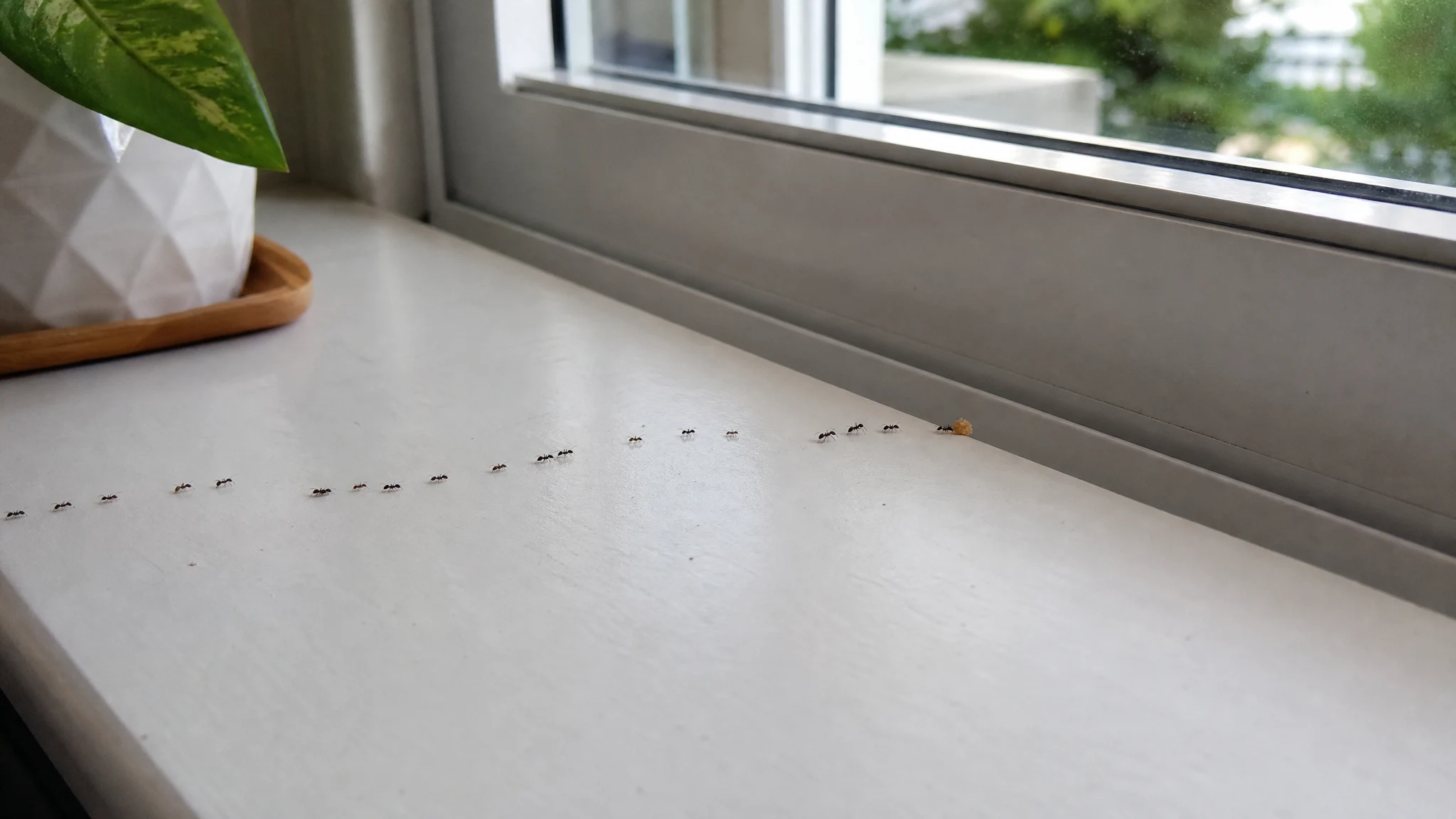
The most useful thing to know about ants is that they follow a chemical trail, and almost all good advice follows from that one fact. Wipe the trail, close the gap, and let the colony take care of itself through bait. A strong smell laid on top is a different idea entirely, and it is worth seeing why the experts do not lead with it.
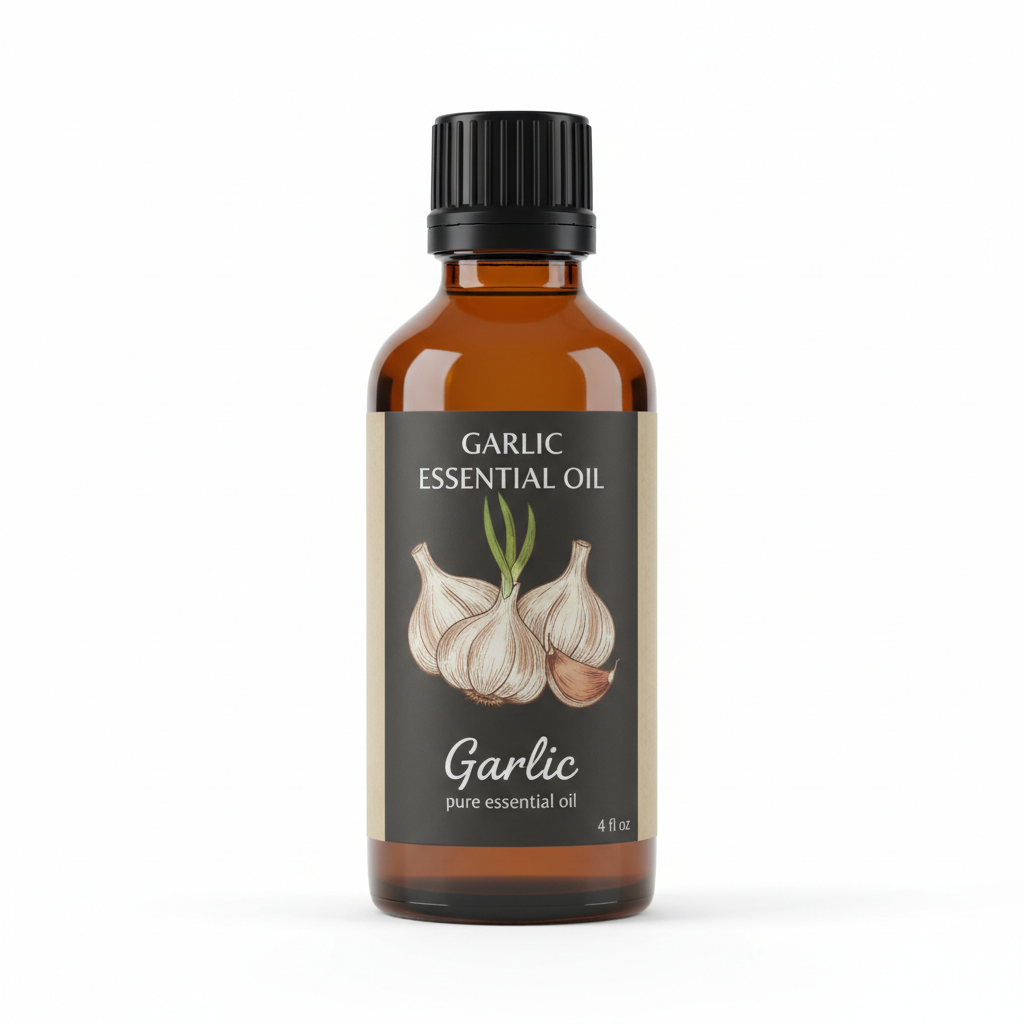
Garlic Essential Oil
Our own Garlic Essential Oil, in sizes from 0.5 oz to bulk.
From $10.99
Shop Now →The order of work from University of California IPM
The UC IPM Pest Note on ants (UC ANR Publication 7411, updated October 2012) begins with the trail. Vacuum it, wipe it with soapy water or spray it with window cleaner, as soon as ants appear. That removes the scent path other ants would follow. Next, find the entry points and caulk them, and where caulk is not practical, plug openings with petroleum jelly.
Baits come third, and the note is specific about how they work: they must be slow-acting so that workers carry them back to the colony before they die. Place them near trails and nest openings, outdoors where possible, about 10 to 20 feet apart around the foundation. Prepackaged stations usually contain about 5.4% borate, and for severe Argentine ant problems the note recommends liquid borate at 0.5% to 1.0% in sugar water, in refillable stations. It also says indoor sprays usually are not needed and give only temporary control, and that perimeter sprays kill foragers but not the colony. The page does not mention repellents.
A perimeter, worked out
Picture a house with a 40 by 30 foot footprint. The perimeter is 140 feet. At one station every 10 to 20 feet, that is 7 to 14 stations, plus any at nest openings. For a kitchen invasion the scale shrinks to one trail from a gap under a windowsill: one trail to wipe, one gap to caulk, and an indoor bait set along that trail if the ants persist. Baits may take several weeks to work, so patience is part of the plan.
A ten-minute walk-through
- Follow the trail to see where the ants come in and where they are heading.
- Wipe it away with soapy water, as the UC note says.
- Look for what they want: crumbs, a sticky spill, an open pet food bowl, a jar with a loose lid.
- Seal food in tight containers and wipe counters dry.
- Mark the entry gap, then caulk or plug it once the surface is clean and dry.
It is not glamorous, but it is the kind of job where ten honest minutes can save weeks of chasing ants around the kitchen.
Why a scent is a poor match for bait
This is reasoning, not a study result. Bait works because foragers carry it home, so anything that makes them turn back near the station works against the plan. A strong smell like garlic placed next to a bait station could plausibly do that, which is why the simplest rule is to keep other scents away from your stations and trails. Wiping the trail works for a stated reason, since it removes the path. Putting a smell over a trail changes where ants walk today and does not reduce the colony, and the UC note does not describe garlic or any scent as a stop sign for ants.
Patience is the quiet ingredient. Baits work slowly on purpose, and you may see more ants near a station for a while before the trail thins out. Resist the urge to spray around it, since that can undo the plan.
If the ants are on a shrub
Look up. The UC aphid note explains that ants feed on aphid honeydew and protect aphids from their natural enemies. Sticky bands on trunks, ant stakes or baits, and pruning branches that give ants a bridge to buildings can all help. We cover the plant side in our aphid article.
Small habits that keep ants away from the kitchen
Most ant visits start with something sweet or greasy left out. Rinse sticky jars before they go in the recycling, wipe the ring under the honey bottle, and keep pet food bowls picked up at night. A quick sweep and a damp cloth at the end of the day takes about a minute. It is a dull routine, but you will notice the difference within a week or so.
Where our oil stands
We sell a single undiluted garlic essential oil as an aroma and workshop material, and we do not offer it for ant control or recommend it for pests. Under EPA rules a product sold to control pests is a pesticide, and the minimum risk exemption depends on six conditions, including ingredients from a particular list and claims that are not misleading. States may add their own rules. Our minimum risk explainer goes through them.
Our oil is also very strong and lingers on skin, hands and cloth, and we advise keeping it from children and pets, who spend plenty of time at floor level. Our pet article reports what veterinary sources say, and bait products carry their own label precautions that are worth reading before you place a station.
For a large or structural infestation, a licensed pest professional is the right call. For everyday ants, a damp cloth, a tube of caulk and a little patience tell you most of what you need.
Garlic Essential Oil
Garlic Essential Oil from our own shop, in sizes from 0.5 oz to bulk.
From $10.99
Shop Now →