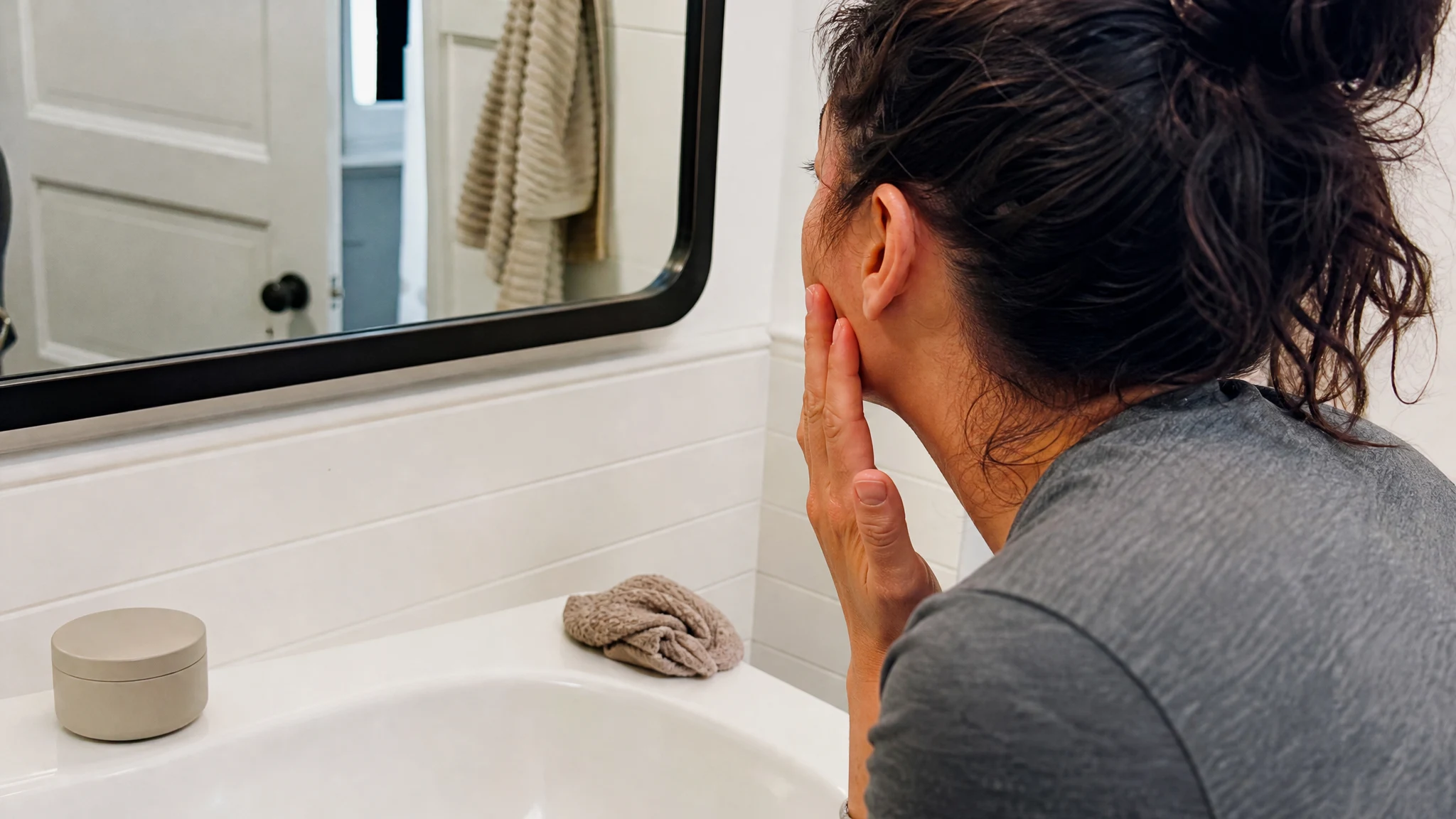
Garlic for Acne? Why a Dermatologist Comes First
Garlic face masks have a way of showing up in acne advice. The idea sounds tidy: garlic is famously pungent, so surely it must clear the skin. Yet when you look at what has been written about garlic and faces, the human reports that turn up are not success stories but a case report of a facial burn from a garlic mask used for acne. That is worth knowing before anyone reaches for a clove, and it is why we have a clear answer for this one.
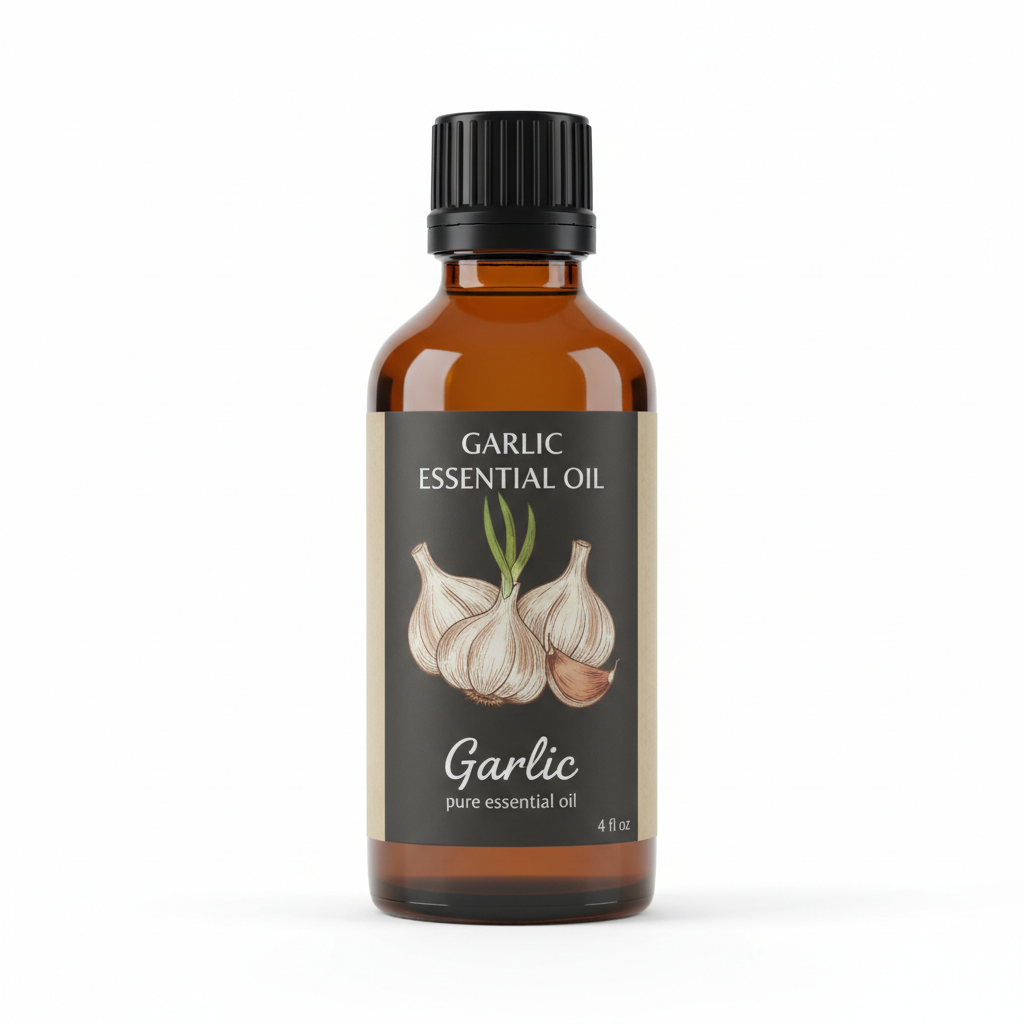
Garlic Essential Oil
Our own Garlic Essential Oil, in sizes from 0.5 oz to bulk.
From $10.99
Shop Now →What dermatologists suggest
The American Academy of Dermatology describes acne treatment as tailored to the person. Its list includes topical retinoids such as adapalene and tretinoin, benzoyl peroxide, topical antibiotics, combination products, clascoterone, salicylic acid and azelaic acid. Some people need oral treatments, and there are in-office procedures as well. Garlic is not on the list. The page also sets expectations: it takes at least 6 to 8 weeks to see fewer breakouts, so a product deserves weeks, not days.
It also says that hidradenitis suppurativa, perioral dermatitis and folliculitis can look like acne. A dermatologist can tell which you have, and that is a good reason to ask before you experiment.
What the garlic reports describe
The 2018 case report from the Australasian Journal of Dermatology is titled "A case of facial burn due to the misuse of garlic face mask for acne". It is a single patient's story, and a clear signal about how facial skin can respond.
A 2021 letter in the Indian Dermatology Online Journal by Bhushan Madke and Anupam Das adds the general picture. Burn depth depends on how much garlic is used, how long it stays on, existing skin disease and individual sensitivity, and covering the paste markedly worsens irritation. The compounds behind it are garlic's sulfides, with diallyl disulfide having the strongest sensitizing potential. The authors advise against garlic as a home remedy, citing weak evidence of benefit and the potential for contact dermatitis. The National Center for Complementary and Integrative Health agrees that fresh raw garlic can cause severe skin irritation and chemical burns.
These are raw garlic reports, not our oil, so we read them as sensible guidance and not as measurements of our product. Facial skin is also where a reaction is hardest to read: irritation can look like a flare, which may tempt someone to apply more. If you do get blistering, a burn or severe pain after garlic contact, rinse well and seek medical care, as we describe in our guide to garlic burns.
Questions to bring to a dermatologist
- How long have the breakouts been there, and have they changed lately?
- What have you already tried, for how long, and in what order?
- Is anything painful, deep or leaving marks that worry you?
- Which products are safe to use together, and which are not?
Keep a short note on your phone with the dates and names of what you apply. It sounds fussy, but it makes a ten-minute appointment far more useful.
Why we are blunt about this one
We could write a gentle paragraph that leaves the door open, but we would rather be direct. Faces are visible, and when skin flares, people understandably want a quick fix. A strong kitchen ingredient feels like a natural answer. It is not, and the people who study skin say so. A clear, kind answer is better than one that sounds clever, so we say it plainly: please skip it, and spend the effort on a plan from someone qualified to give you one.
What we recommend
We keep our garlic oil away from faces. It is an undiluted, strong aroma material, our guidance for skin is 0.5% to 2% in a carrier oil with a patch test first, and we say to keep it from eyes. That is guidance for general skin use, and a face is a place we would not apply it at all. We sell it as an external cosmetic oil for scent and workshop use, and we make no claim about blemishes.
For breakouts that have not eased with a drugstore product, a board-certified dermatologist is the person to see, and a pharmacist can help you pick among over-the-counter options. If you want the broader picture of how garlic and skin interact, our skin overview and the irritation guide go through it, and the fungus article shows how far a lab dish result sits from real skin.
Kitchen garlic deserves a word too. When you chop it, you will notice the smell stays on your fingers for hours, and that is a good cue to wash your hands and keep them away from your eyes and face afterwards. Our oil is the concentrated version of that same character, which is one more reason we keep it on the bench and off the face.
The kind thing to do for your face is to give it a routine with real evidence behind it, and save the garlic for the kitchen.
Garlic Essential Oil
Garlic Essential Oil from our own shop, in sizes from 0.5 oz to bulk.
From $10.99
Shop Now →Sources & Further Reading
- American Academy of Dermatology. Acne: Diagnosis and treatment
- Hisham A, Mohamed Sukur S, Basiron N, 2018. A case of facial burn due to the misuse of garlic face mask for acne. Australasian Journal of Dermatology 59(4):336-337
- Madke B, Das A, 2021. Garlic Burn: A Home Remedy Gone Wrong. Indian Dermatology Online Journal 12(4):634-635
- NCCIH. Garlic: Usefulness and Safety (updated February 2025)