Moles and Voles: What Extension Offices Actually Recommend
Few things test a gardener's patience like a lawn that grows a new ridge overnight. The instinct is to reach for something from the kitchen, and garlic comes up often. Before you do, it helps to know what the university extension services recommend for moles and voles, because the answer is more practical, and more hopeful, than a bottle of anything.
Garlic Essential Oil
Our own Garlic Essential Oil, in sizes from 0.5 oz to bulk.
From $10.99
Shop Now →Start by naming the culprit
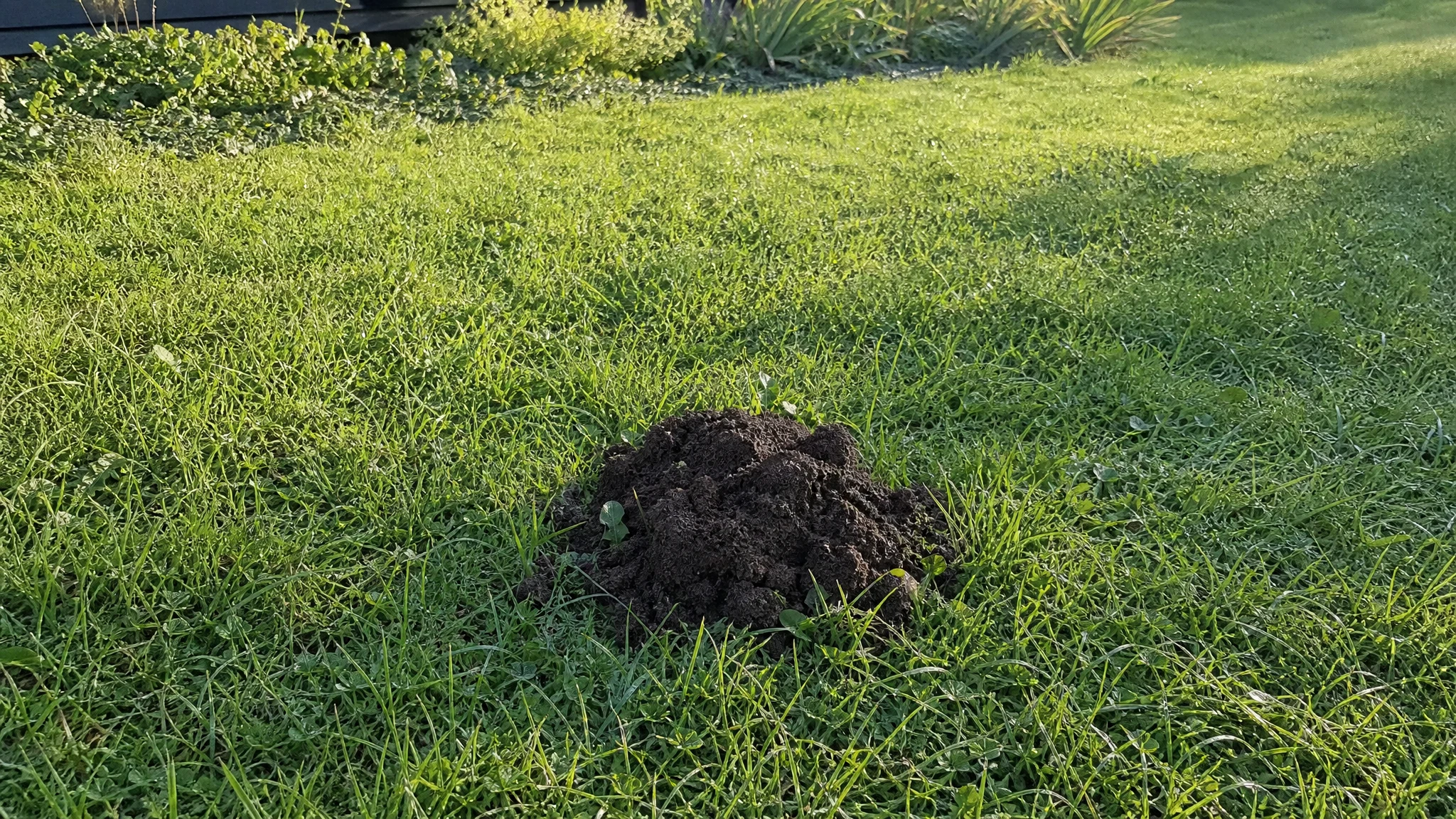
Moles and voles get blamed for each other's mischief, and the fix depends on which one you have. Moles tunnel through lawns and beds in search of invertebrates, so the telltale sign is raised ridges and soil mounds. Voles are small rodents that feed at or just below the surface, so the telltale sign is gnawed roots, bulbs and bark. UC IPM adds a useful detail for telling mounds apart: mole mounds tend to have circular margins, while pocket gopher mounds are crescent-shaped.
Take ten minutes to look before you buy or mix anything. A vole problem treated like a mole problem will simply carry on.
What extension says about scent and gadgets
UC IPM's pest note on moles (updated November 2024) does not mention garlic at all. It does talk about the usual home remedies: mole wheels, vibrating windmills, whistling bottles. Its verdict is that none of these approaches has proved successful in stopping mole damage or driving moles from an area. Castor oil solutions are sold as mole repellents, and the note says they showed some efficacy for eastern moles, with no published research on western species. It also points out that a "repelled" mole will simply move to neighboring lawns and gardens, which is a fine reason to be neighborly about all this.
The vole note (UC ANR Publication 7439, updated April 2023) is just as direct: the efficacy of vole repellents is questionable, and their use often is not practical. The only repellent ingredients it names are capsaicin and castor oil. Garlic does not appear.
It is worth saying that this kind of damage is rarely personal, even if it feels that way on a Monday morning. A mole is simply hunting food under the grass. A vole is simply looking for a sheltered place to eat. Both animals are doing what they do, and a little understanding of their habits tends to make the response calmer and more effective.
What does work, according to the same pages
The good news is that both animals have a well-worn playbook.
For moles, UC calls trapping the most dependable method. Scissor-jaw traps go in the main underground tunnel, usually 8 to 12 inches below the surface, at least 18 inches from a mound, and only in tunnels where you have seen signs of frequent use. Deeper tunnels are the ones moles reuse almost permanently, so that is where traps earn their keep.
For voles, the first step is to make the habitat less inviting, which UC describes as one effective way to deter them. Trim dense weeds and heavy cover near the plants you care about. When vole numbers are low or concentrated in a small area, trapping can be effective. And for young trees, vines and ornamentals, cylinders of hardware cloth, sheet metal or heavy plastic protect the trunk from girdling.
None of this is glamorous, and all of it has a track record. If you have a persistent problem, your county extension office can identify the animal and tell you which methods are legal where you live.
A simple walk-around routine
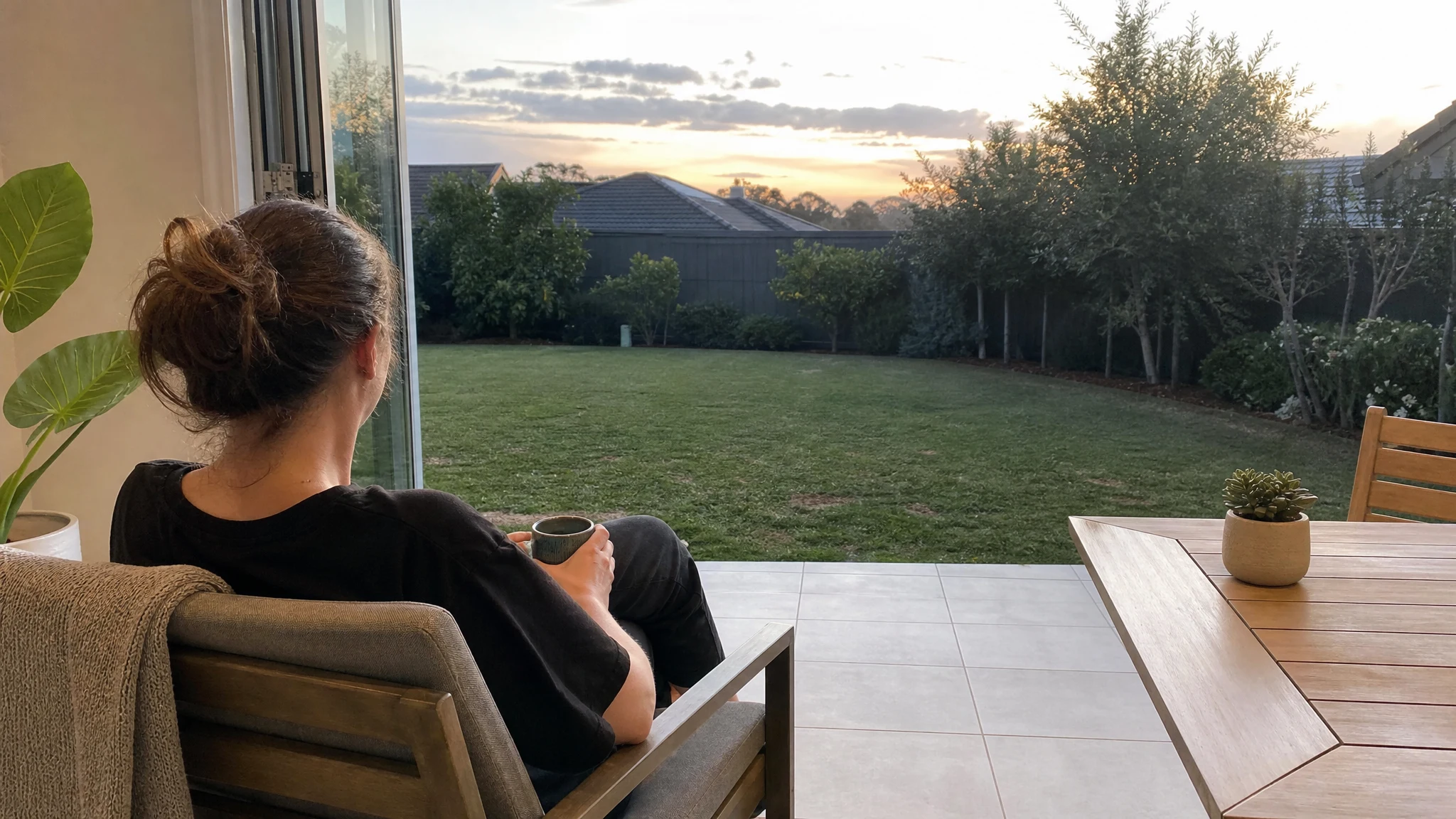
If you want to get ahead of the problem, a short weekly walk through the yard is a good habit. Take a few minutes with a cup of coffee and look at the following:
- Fresh mounds or raised ridges in the lawn, and whether they appear in the same area each time.
- Gnawed bark or exposed roots at the base of young trees and shrubs.
- Small, golf-ball-sized openings in the grass, and trails pressed into the turf beneath tall growth.
- Thick mulch piled against trunks, which can offer shelter you did not mean to provide.
Jot down what you find and where. After a few weeks you will have a picture that is far more useful to an extension office than a general complaint, and you may spot the pattern yourself.
Where our garlic oil fits
Our garlic oil is a strong, sulfurous aroma material that we sell undiluted, and we offer it for workshop and scent work. We make no pest-control claims for it and we do not recommend it for moles, voles or any other animal. There is also a regulatory reason for care: under US pesticide law, a product marketed with pest claims is a pesticide. EPA exempts certain minimum-risk products from registration only when every one of its conditions is met, and states may add their own rules. Anyone mixing a homemade preparation should read EPA's conditions and their state's requirements first. We walk through the rules in our minimum-risk pesticide article.
If pets use your lawn, remember that our guidance is to keep the oil away from children and pets; our article on dogs and cats covers what the authorities say. And if you enjoy the garden-side questions, the deer and rabbit article looks at what the research on scent deterrents has shown.
The reassuring takeaway is that a ridged lawn is rarely a lost cause. A little detective work, a few well-placed traps and some tidying usually do more than any bottle.
Garlic Essential Oil
Garlic Essential Oil from our own shop, in sizes from 0.5 oz to bulk.
From $10.99
Shop Now →Sources & Further Reading
- UC IPM, University of California. Pest Notes: Moles (UC ANR Publication 74115, updated 11/2024). ipm.ucanr.edu/PMG/PESTNOTES/pn74115.html
- UC IPM, University of California. Voles (Meadow Mice), Pest Notes (UC ANR Publication 7439, updated 04/2023). ipm.ucanr.edu/home-and-landscape/voles
- US EPA. Conditions for minimum risk pesticides. epa.gov/minimum-risk-pesticides