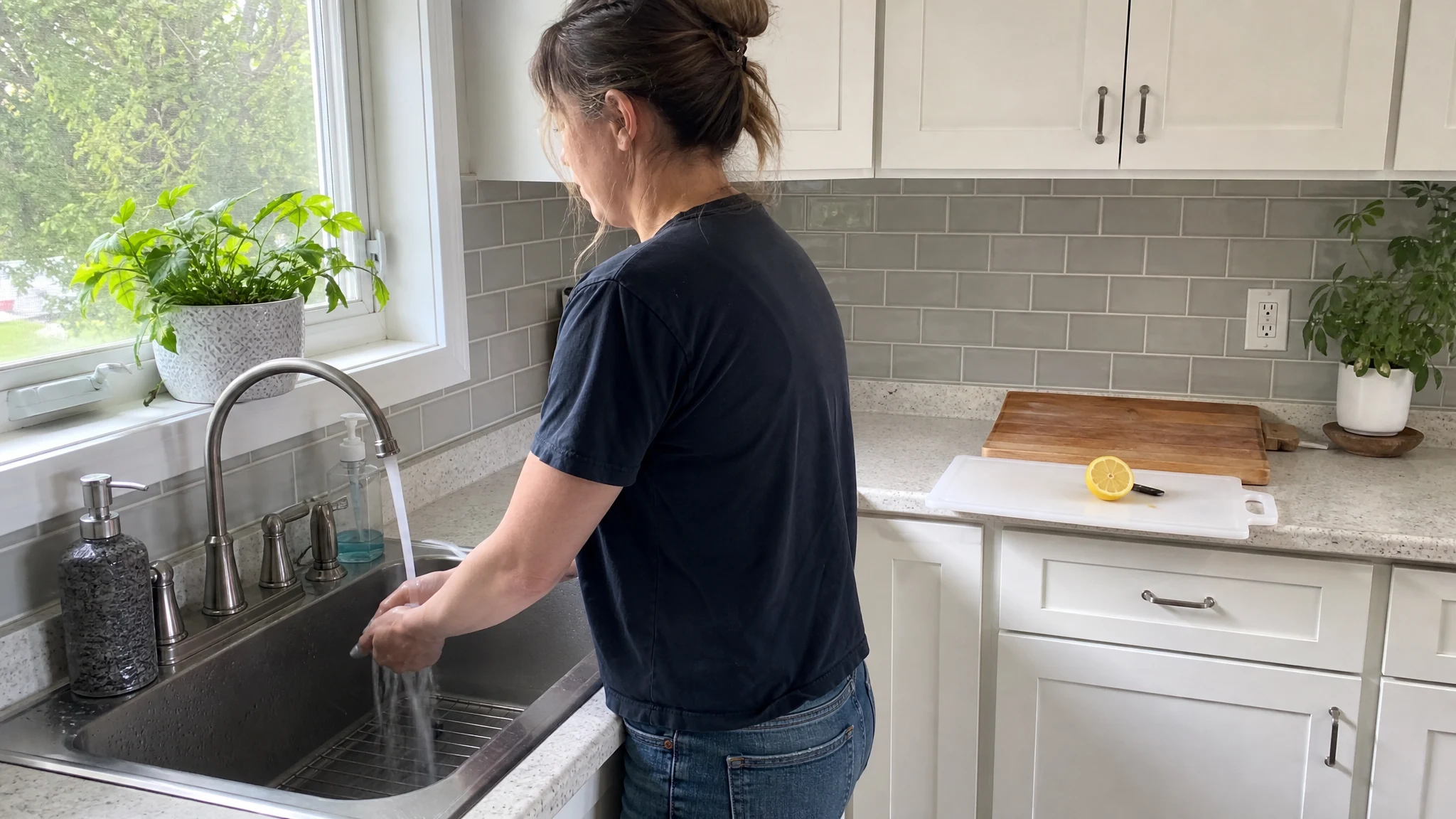
How to Get Garlic Smell Off Hands, Boards and Cloth
Anyone who has minced a few cloves knows the smell can outlast two rounds of hand soap. Garlic oil is that same smell, concentrated, so it deserves a plan. The good news is that the best plan is simple: rinse first, deodorize second, and give the oil its own work surface so the smell never follows your dinner.
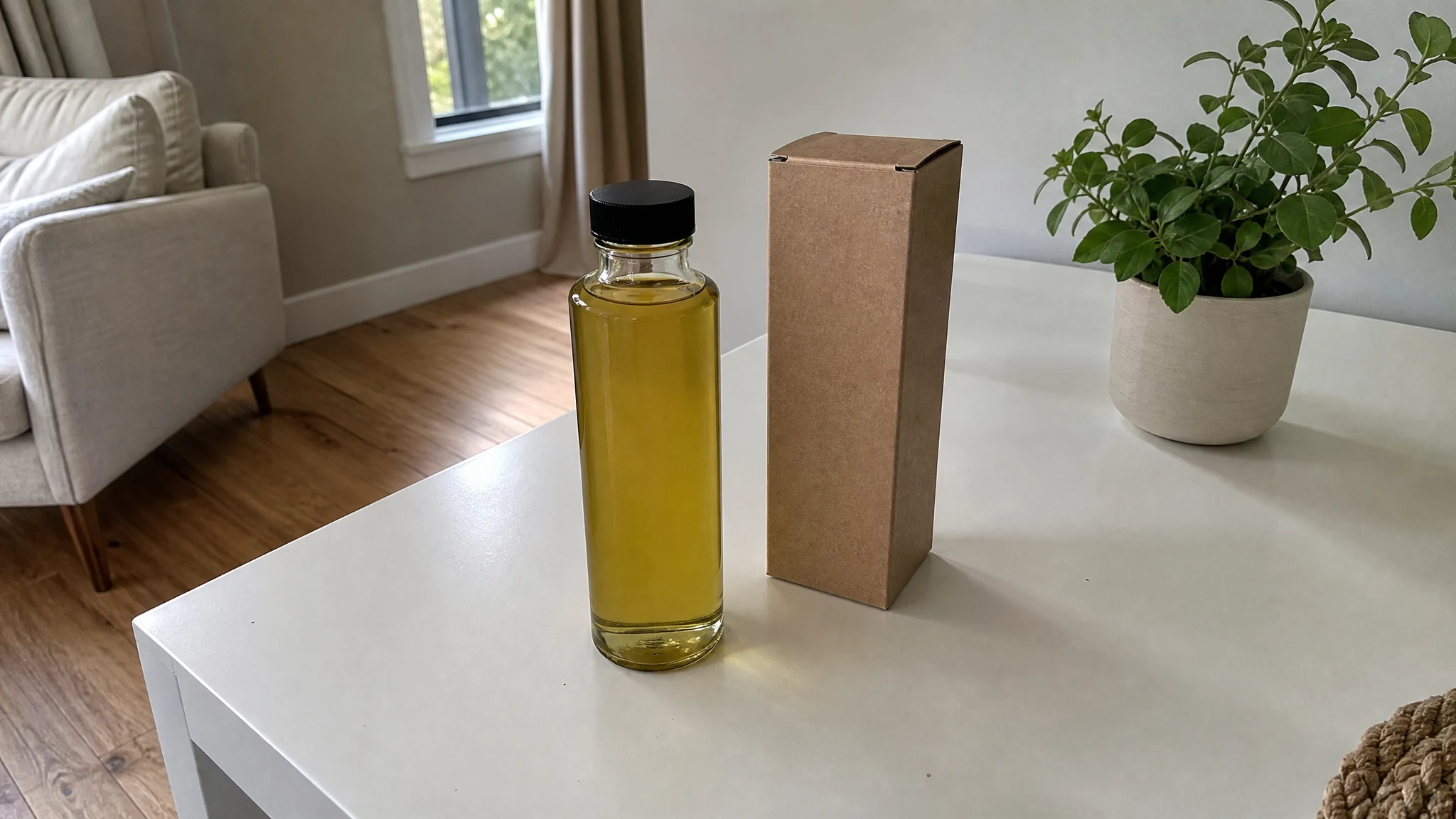
Garlic Essential Oil
Our own Garlic Essential Oil, in sizes from 0.5 oz to bulk.
From $10.99
Shop Now →What a kitchen test found
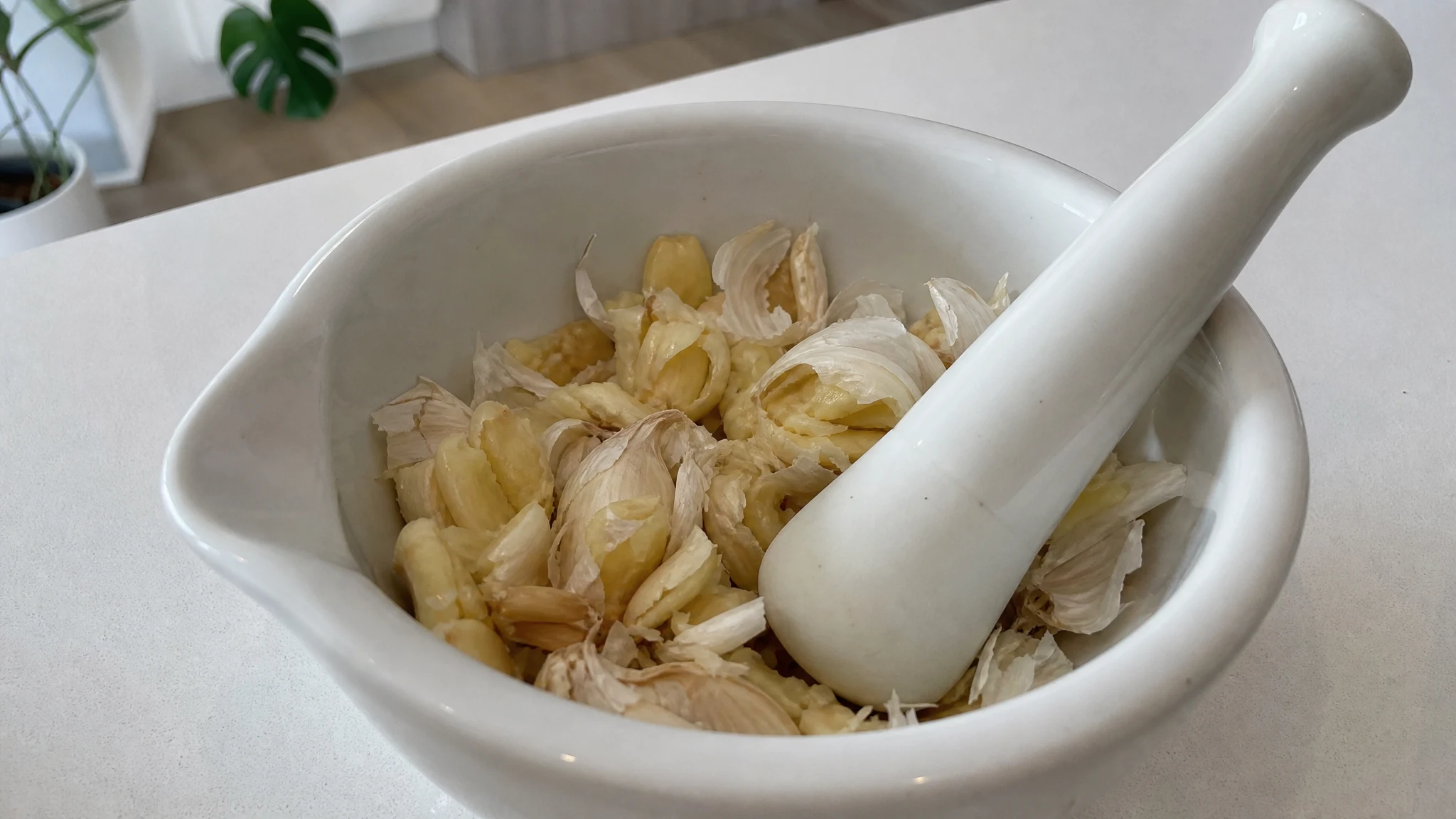
America's Test Kitchen had five testers rub minced garlic on their hands and then try baking soda, vinegar, lemon juice, salt, toothpaste or soap and water, plus rubbing their hands on stainless steel. Everything lessened the odor at least a little. Baking soda and lemon juice did better than the rest, stainless steel was about as good, and the verdict was that there is "no magic cure" (America's Test Kitchen, removing garlic odor). It was a five-person kitchen test with minced garlic rather than essential oil, so applying it to the oil is our inference. Still, it is a useful menu, and plain soap and water made the list.
Rinse first, because oil on skin is the real job
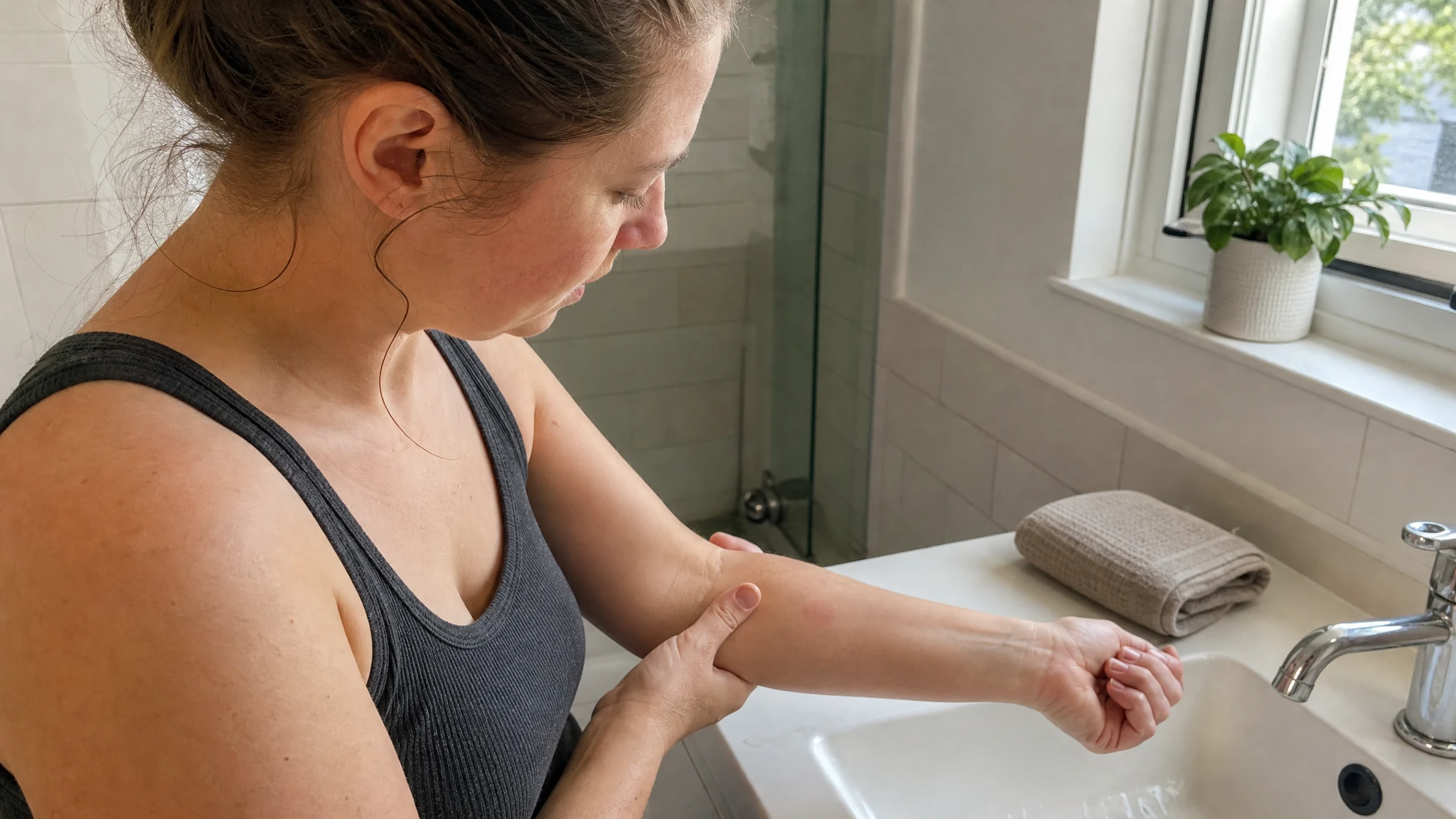
The NIH notes that fresh raw garlic "can cause severe skin irritation and chemical burns" (NCCIH, Garlic). The oil is the concentrated form, so if undiluted oil lands on skin, treat it as an exposure before an odor. Poison Control's first aid is to remove contaminated clothing first, then rinse with plenty of running water for at least 15 minutes, using mild hand soap for material that sticks. For eyes, remove contact lenses and rinse for 15 to 20 minutes, and the poison center number is 1-800-222-1222 (Poison Control, first aid). Soap helps because the oil does not dissolve in water; that part is our reasoning, but it fits the test above, where soap and water was one of the methods that worked.
Only then does the smell become the question. Go gently if skin is red or stinging, since scrubbing with salt or baking soda adds friction to an irritant. A blister, a spreading rash or pain that does not settle is a job for a doctor, and our garlic burn article shows what the documented cases look like.
A sensible order
- Take off clothing the oil reached and rinse the skin under running water for at least 15 minutes.
- Wash with mild soap, working between the fingers and around the nails.
- If skin is calm, try one of the better performers from the test for a short time: stainless steel, baking soda or lemon juice.
- Rinse again and be patient. Some odor will remain, as it did for the testers handling plain garlic.
- If skin reacts, stop and ask a dermatologist.
A word on lemon
Lemon is a fine choice, with one habit to add. The National Capital Poison Center lists lemons and limes among plants containing furocoumarins, and says sunlight on skin that has met the juice can cause a rash. Its advice is to avoid spilling citrus juice on sun-exposed skin and to wash it off with soap and water (Poison Control, lime juice and sun). So rinse the lemon away and keep that skin out of strong sun for the rest of the day.
Set up so there is less to clean
The easiest odor to remove is the one that never lands. Before you open the bottle, lay out a tray, a few paper towels, gloves and a dedicated glass dish. Pour slowly, cap the bottle tightly right after, and wipe the neck of the bottle, because a film left there is exactly what reaches your fingers next time. Thirty seconds of setup saves a long evening of scrubbing.
Boards, trays and cloth
Our oil is not for internal use, so we suggest keeping it off any surface that touches food. For measuring and mixing, a glass dish or a tray you keep just for the purpose is ideal; glass is nonporous, which is a reasonable argument for it, and it is easy to wash. A board that has met the oil is best retired from the kitchen and kept for craft work, which is our precaution and not a published rule.
If you landed here because real garlic has left its mark on a board, the University of Illinois Extension has the basics: wash with soap and hot water, let it air dry, and replace a board once it has many cut marks and deep grooves, which can harbor bacteria (University of Illinois Extension, cutting boards). That is about cleanliness, not odor.
For fabric and rooms, prevention is the best tool: keep the cap tight, measure over a tray so a spill lands on something washable, work in a ventilated spot, and use the smallest amount the project needs. Diluting well also means less oil on you, which is why our dilution basics double as odor control. Our storage guide covers the cap-tight, cool, dark routine.
Small habits that keep the smell where it belongs
- Wash tools with soap and hot water soon after use, before the smell has time to settle in.
- Keep a labeled box or bag for your garlic gear so it does not wander into the kitchen drawer.
- Open a window and let the room air out when you finish, and wash anything cloth that was on the table.
For the chemistry of why the smell clings, see the allicin and sulfur article. The smell is the easy part: rinse early, wash with soap, pick any of the tested remedies you like, and the rest fades on its own.
Garlic Essential Oil
Garlic Essential Oil from our own shop, in sizes from 0.5 oz to bulk.
From $10.99
Shop Now →Sources & Further Reading
- America's Test Kitchen. Removing garlic odor. americastestkitchen.com/how_tos/6004-removing-garlic-odor
- NCCIH. Garlic. nccih.nih.gov/health/garlic
- National Capital Poison Center. First aid for poisonings. poison.org/first-aid-for-poisonings
- Johnson-Arbor K. National Capital Poison Center. Lime juice and sun can cause skin rashes. poison.org/articles/lime-juice-and-sun-can-cause-skin-rashes
- University of Illinois Extension. Cutting boards. extension.illinois.edu/meat-safety/cutting-boards