Can Garlic Burn Your Skin? What the Case Reports Show
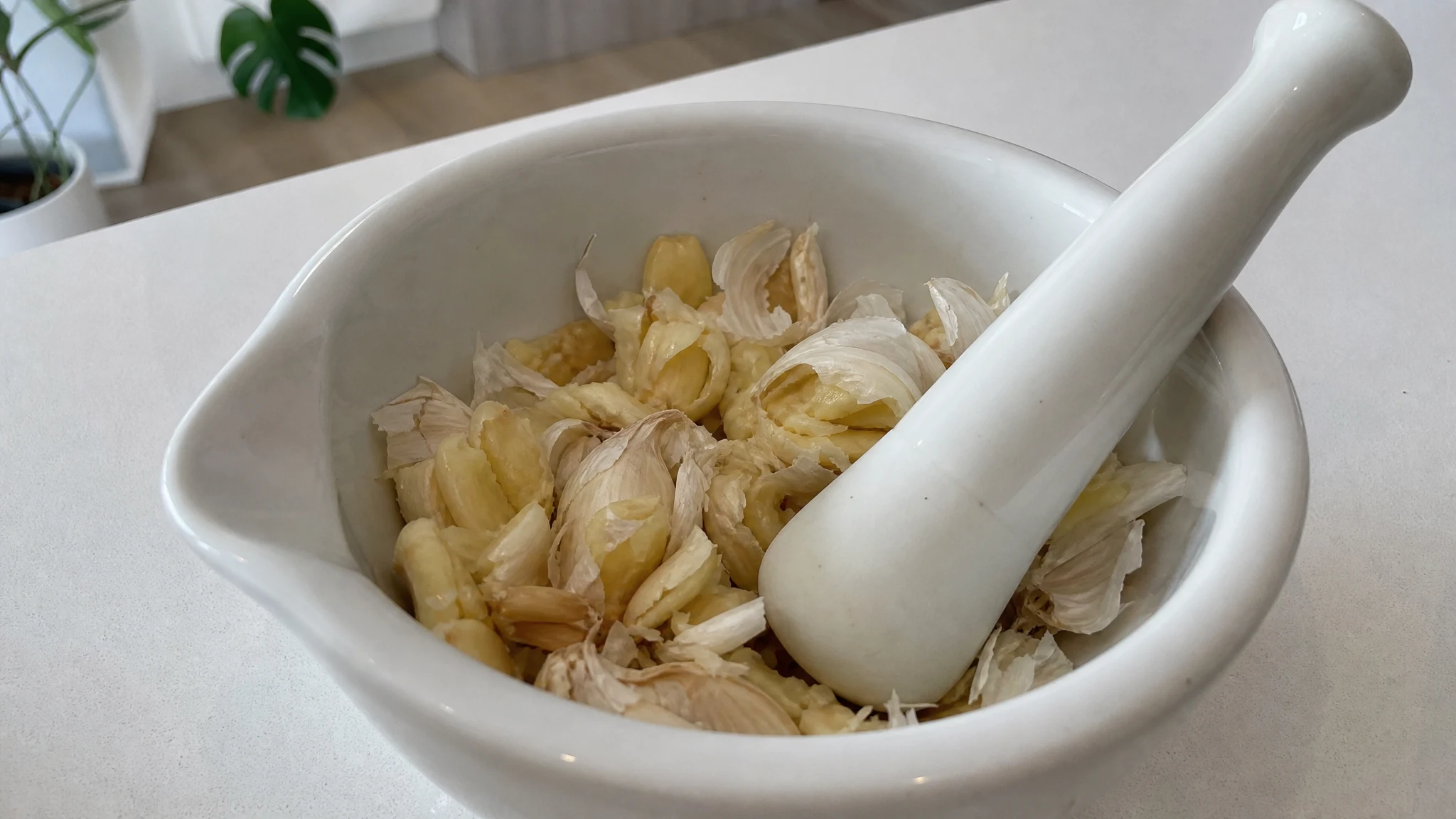
A 46-year-old man, hoping to ease an aching wrist, crushed some raw garlic, bound it on and left it for about five hours. When he took it off, the skin burned intensely, and in the emergency department doctors found two large blisters (Bunstine and Lloyd, Cureus, 2025). It is a story that repeats across the medical literature, and it is worth understanding because garlic is such an everyday ingredient that its strength on skin comes as a surprise. This is general information, not medical advice.
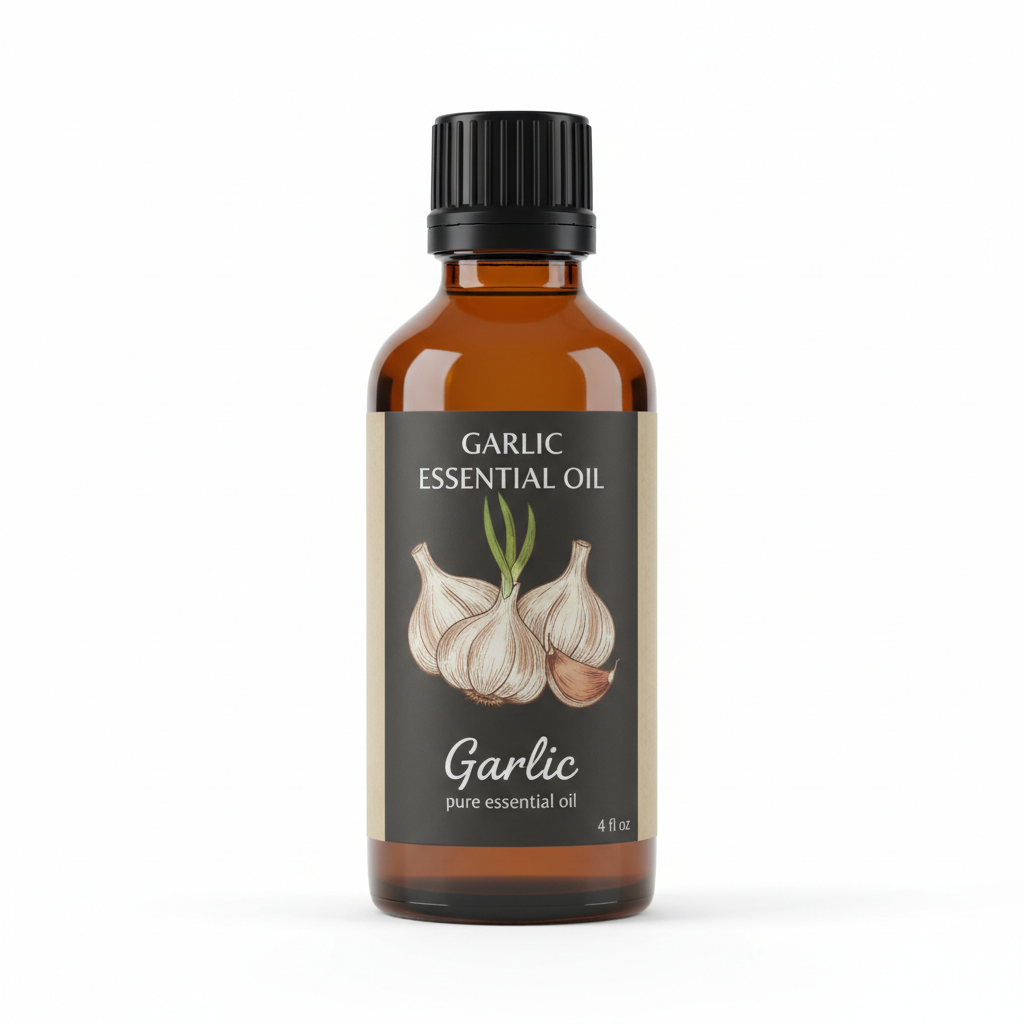
Garlic Essential Oil
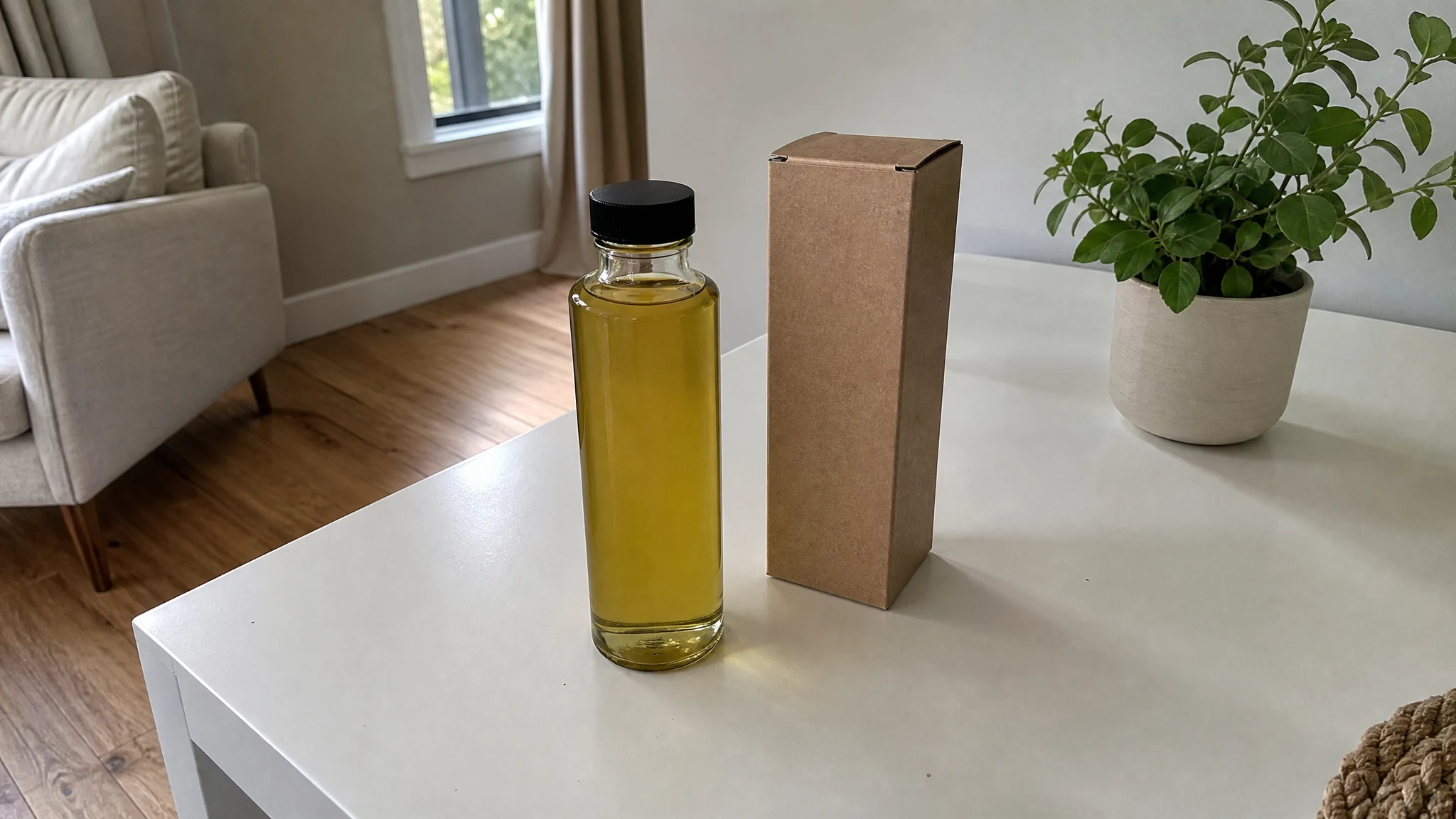
Our own Garlic Essential Oil, in sizes from 0.5 oz to bulk.
From $10.99
Shop Now →What the reports have in common
A 2021 systematic review gathered 32 articles describing 39 people with burns from raw garlic. Most were second-degree, some involved dead tissue, legs were the most common site, and treatment was mostly symptomatic (Hitl et al., 2021). The pattern is consistent: garlic was applied as a home remedy, crushed, and kept on the skin. These are case reports, so they cannot say how often it happens, only that it does, and under what conditions.
Another report, from India, describes a woman who crushed ten to twelve cloves into a paste, put it on her knee at bedtime and covered it with cloth. She woke with intense burning, then blisters. The authors note that the degree of injury is proportional to the quantity of garlic and the length of exposure, that existing skin conditions and sensitivity matter, and that covering the garlic increases penetration of the compounds that cause trouble (Madke and Das, 2021).
Why a clove can do this
Crushing garlic switches on an enzyme, alliinase, which turns alliin into allicin, the reactive compound behind garlic's bite. A 2025 letter argues these injuries are not true burns but irritant contact dermatitis: allicin's sulfur chemistry binds to proteins in skin cells, upsetting their membranes and triggering inflammation, in proportion to dose and without any immune system involvement (Jamaluddin et al., Malaysian Family Physician, 2025). The label is debated, but the advice is the same either way. The NIH says fresh raw garlic may not be safe on skin and can cause severe irritation and chemical burns (NCCIH, Garlic).
Three levers show up again and again: how much, how long, and whether the skin is covered. An essential oil is already a concentrate, so the first lever is pulled for you, which is why we are so firm about dilution. Our Certificate of Analysis lists density and refractive index only, so we make no claim that the oil behaves like a clove. We simply treat it as capable of at least as much irritation, and we would never put any garlic preparation under a bandage, wrap or sock. That is our reasoning from the occlusion point in the case literature.
If garlic is on your skin and it hurts
These steps come from Poison Help, run by America's Poison Centers (poison.org).
- Take it off. Remove the poultice and any clothing the garlic touched.
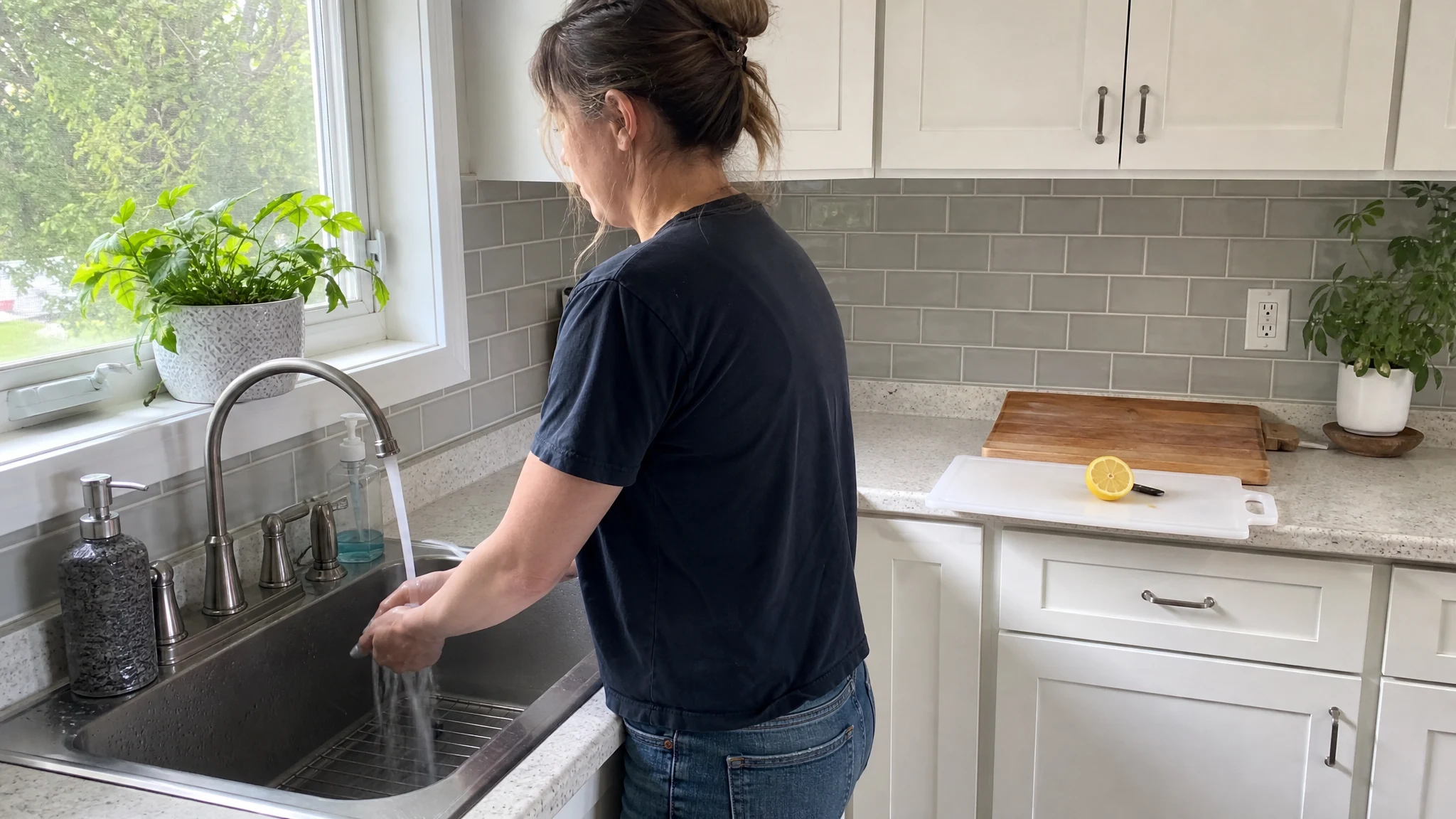
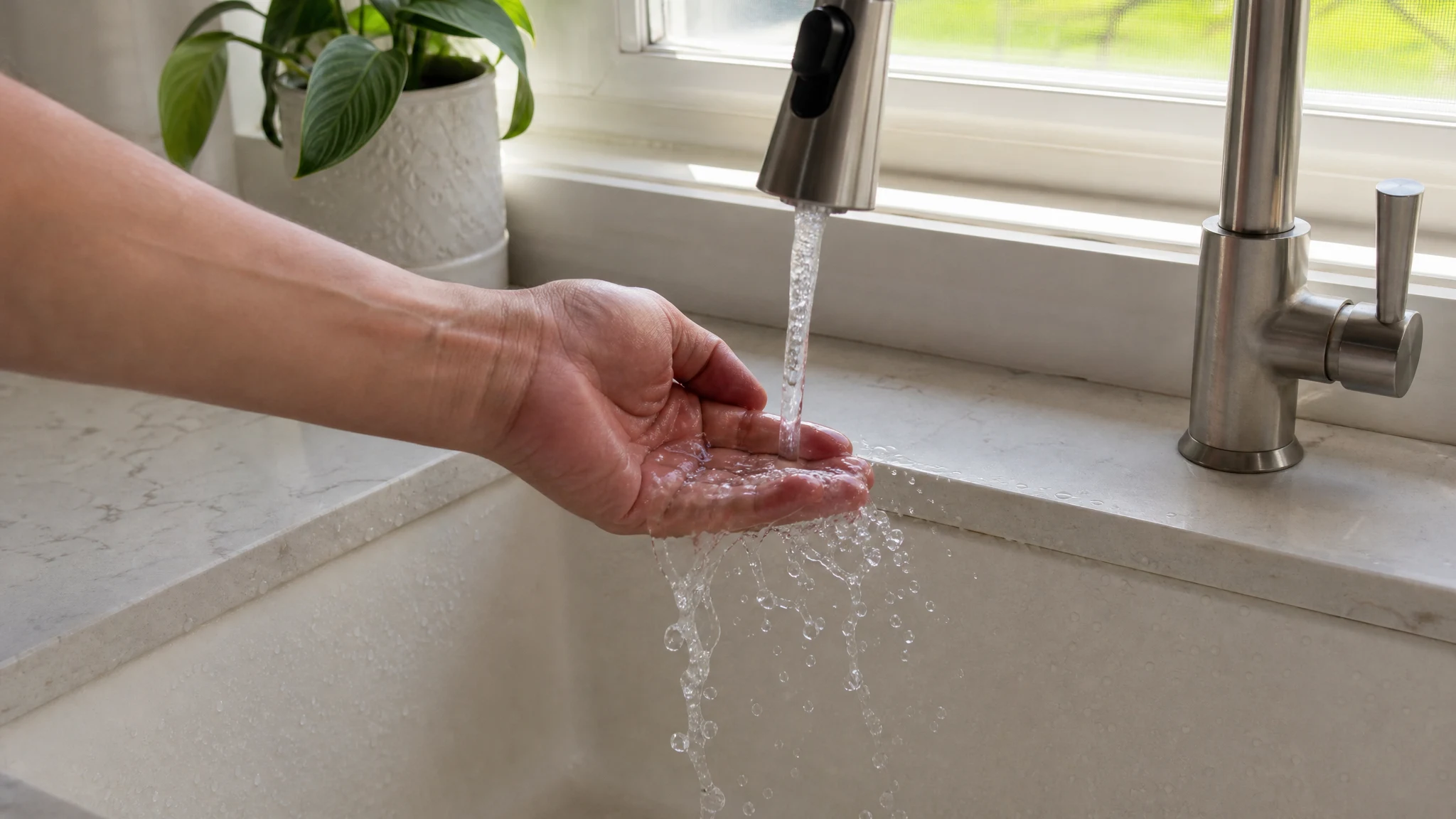
- Rinse. Use plenty of room-temperature running water for at least 15 minutes. Mild hand soap can help lift material that sticks.
- Call. After rinsing, use the Poison Control tool online or call 1-800-222-1222 for guidance.
- Get help for blisters. If blistering, a large or deep burn, or worsening or lingering pain, redness or swelling appears, see a doctor. If someone collapses or has trouble breathing, call 911.
Blisters, a burn on the face, hands or groin, a young child, and anything that looks worse the next day all belong with a clinician. A skin problem that spreads or keeps hurting is a doctor's call, and it is not one to settle with another home remedy.
Kitchen habits that keep garlic where it belongs
Garlic belongs on the board and in the pan, not on bare skin. When you peel and chop a lot of cloves, wash your hands before touching your face, and be extra careful around your eyes. If your hands sting after a big prep session, rinse them with cool running water and soap. Nothing about cooking needs a bandage, a wrap or a paste, so keep it that simple.
The arithmetic behind our dilution advice
Our dilution guidance is 0.5% to 2% in a carrier oil, patch test first, beginning at the low end because garlic is so strong. In an ounce of carrier, at roughly 20 drops per milliliter (an approximation, since droppers vary), that is about 3 drops for 0.5%, 6 for 1% and 12 for 2%. One undiluted drop weighs around 0.05 g, and spread through an ounce of carrier it becomes a very different thing, about 0.17% on average. Our dilution basics article has the measuring steps.
A patch test, step by step
- Mix a small amount of garlic oil into a carrier oil at the low end of the range, 0.5%.
- Dab a small spot on the inside of your forearm.
- Leave it uncovered and check it over the next day.
- Wash it off at once with soap and water if you feel any stinging or see redness, and do not try it again.
A clean result on a small spot is not a promise, but it is a sensible first check before anything bigger.
For the difference between irritation and true allergy, see garlic oil skin irritation, and for the whole picture of garlic on skin, garlic oil on skin. The accounts behind acne and warts show how home garlic treatments tend to go wrong.
Our oil is an undiluted aromatic made for workshop and aroma use, and we make no claim that it relieves or treats anything. If you have a reaction right now, stop reading and start rinsing.
Garlic Essential Oil
Garlic Essential Oil from our own shop, in sizes from 0.5 oz to bulk.
From $10.99
Shop Now →Sources & Further Reading
- Bunstine R, Lloyd CM, 2025. Blistering Bulbs: The Hidden Dangers of Garlic as a Home Remedy. Cureus. europepmc.org/PMID41625932
- Hitl M et al., 2021. Garlic burn injuries: a systematic review of reported cases. pubmed.ncbi.nlm.nih.gov/33571752
- Madke B, Das A, 2021. Garlic Burn: A Home Remedy Gone Wrong. Indian Dermatol Online J 12(4):634-635. PMC8354410
- Jamaluddin J, Jamil SN, Abd Shukor SK, 2025. Garlic burns are not burns. Malays Fam Physician 20:46. PMC12334324
- NCCIH. Garlic. nccih.nih.gov/health/garlic
- Poison Help (America's Poison Centers). First aid for poisonings. poison.org/first-aid-for-poisonings