Garlic Infused Olive Oil: How to Make It Safely
There is a good reason homemade garlic oil looks so tempting: a few cloves, a jar of good olive oil, and your kitchen smells like an Italian grandmother's. It can be done well at home, but the method matters more here than almost anywhere else in the pantry, so pick your route before you pick up the knife.
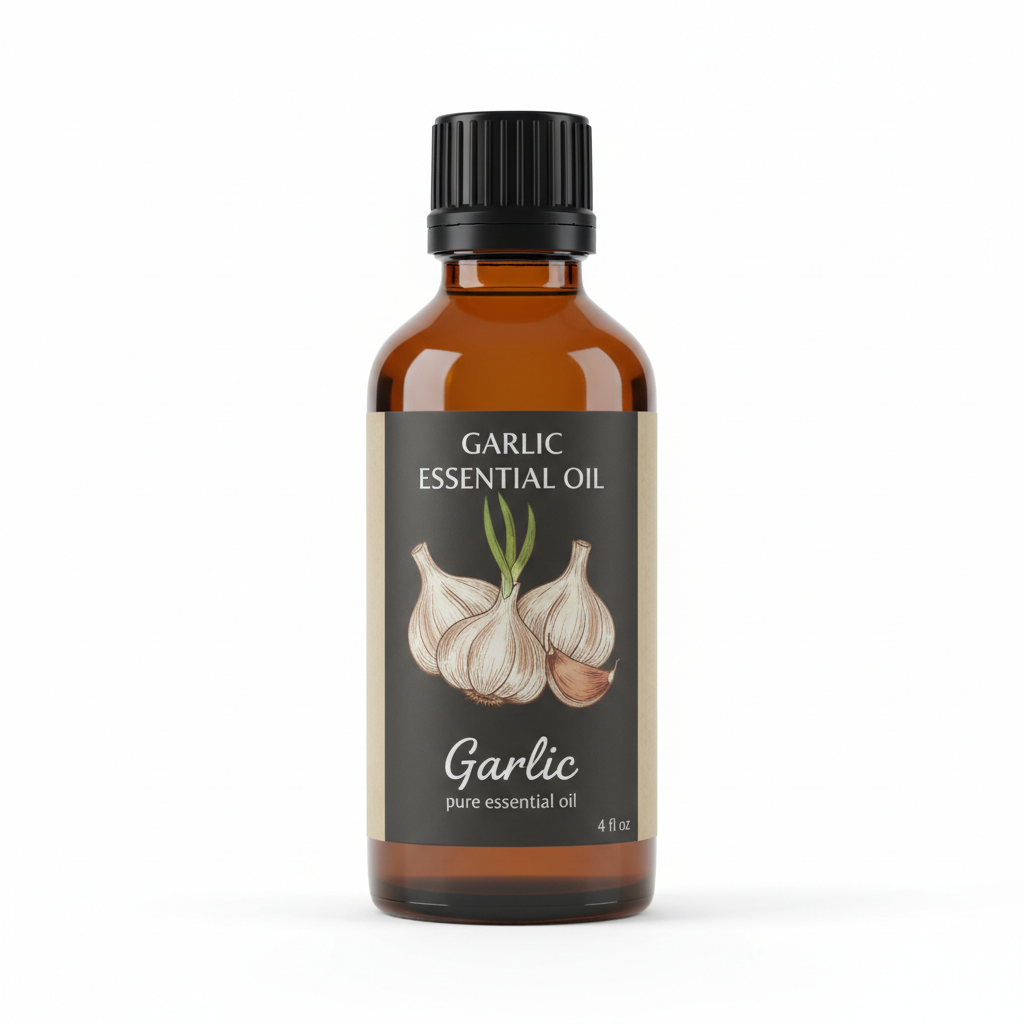
Garlic Essential Oil
Our own Garlic Essential Oil, in sizes from 0.5 oz to bulk.
From $10.99
Shop Now →Why garlic and oil need a plan
Garlic is a low-acid food that can carry spores of Clostridium botulinum, and oil makes an oxygen-free environment that those spores like. Penn State Extension explains this in its guide (How to Safely Make Infused Oils, Penn State Extension), and the CDC lists chopped garlic in oil among the newer sources of foodborne botulism. The same CDC page makes the key point that you cannot see, smell or taste the toxin (Botulism Prevention, CDC). So the usual kitchen tests of looking and sniffing do not apply. The clock and the fridge do the work instead.
History adds weight. A CDC MMWR report on a botulism outbreak linked to eggplant in oil mentions that commercially processed garlic in oil caused outbreaks in 1985 and 1989, after which the FDA recommended adding antimicrobial growth inhibitors or acidifying agents (CDC MMWR, roasted eggplant in oil, Italy, 1993). That is why commercial infused oils are acidified, and why home cooks borrow the idea.
Before you start: a small checklist
- A clean jar and lid, washed in hot soapy water and dried well.
- A sticky label and a marker, so the date goes on before the jar goes in the fridge.
- Space in the fridge where you will actually see the jar, not a spot at the back.
- A plan for the week: a pasta night, a loaf of bread, a tray of vegetables.
Route one: a small batch kept cold
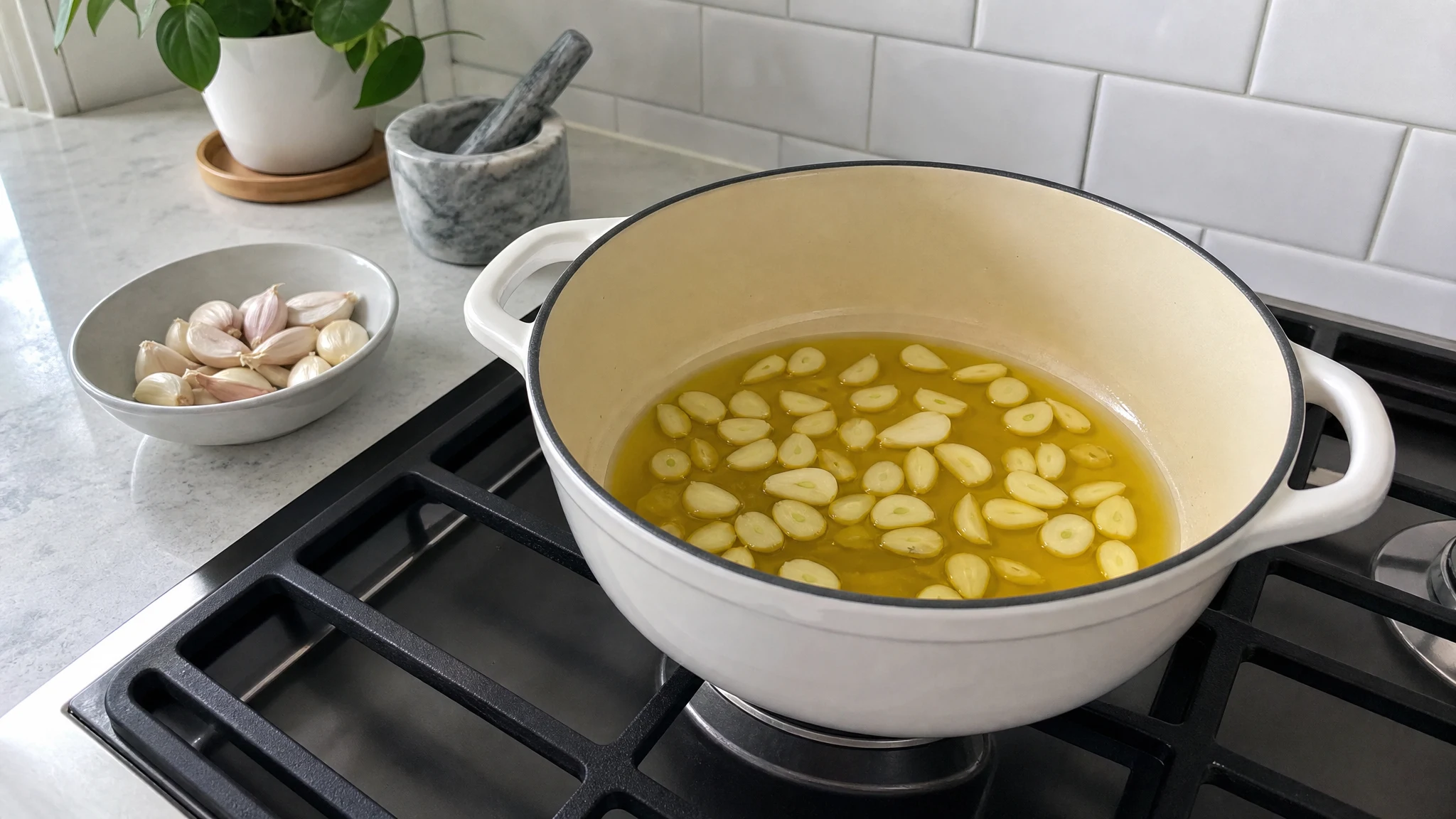
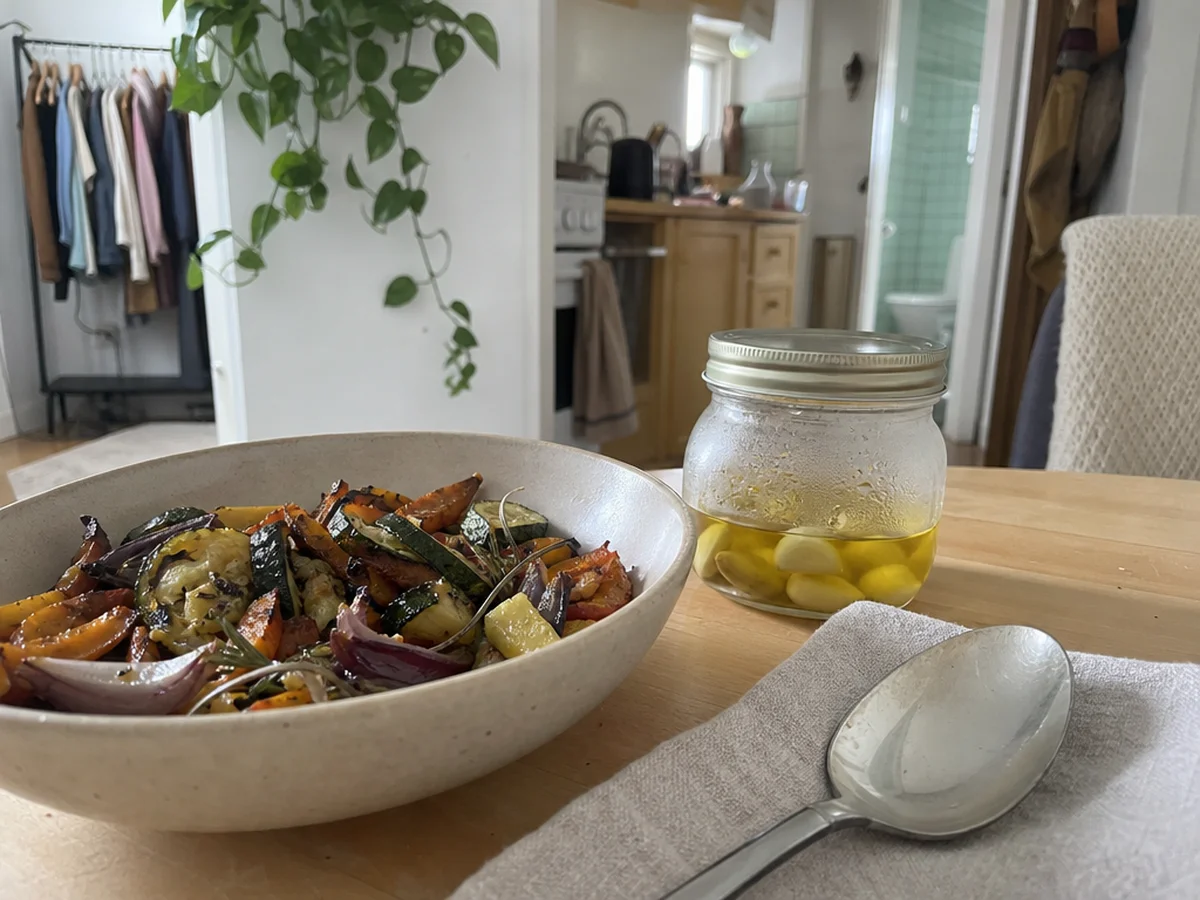
The CDC's guidance is refreshingly simple: refrigerate homemade oils made with garlic or herbs and throw them away after four days. In practice, that means making only what you will use this week, keeping the jar in the fridge from the moment it cools, and writing the date on the lid so you are not counting from memory. A cup of oil with a few smashed cloves is plenty for most households.
One small thing you will notice: olive oil often turns cloudy and thickens in the cold. That is ordinary olive oil behavior and nothing to worry about. Set the jar on the counter for a few minutes before you use it, and put it straight back afterwards.
One tempting shortcut deserves a mention. You may see recipes that warm the oil gently and then treat the jar as pantry-stable. Penn State mentions heating oil to 140 F for five minutes only as a way to speed up flavor infusion, and notes that higher temperatures can damage flavor. It does not say heating makes the oil safe to keep. If a recipe makes that claim, look for its source.
Route two: the acidified method
If you want an oil you can keep for longer, Penn State describes a method adapted from University of Idaho guidelines. You make a 3% citric acid solution by stirring one tablespoon of citric acid into two cups of water. Peeled garlic is cut into quarter-inch pieces and kept fully submerged in the solution, using one part garlic to three parts solution, which is about two-thirds of a cup of garlic to two cups of solution. Then one part of the acidified garlic goes into ten parts of oil, and the oil infuses at room temperature for one to ten days, with the garlic removed once the flavor suits you.
The page is firm that weaker solutions or shorter soaks can produce an unsafe product, so measure rather than eyeball. It also says not to mix garlic and herbs in one batch. For a cup of oil, the ratio works out to about a tablespoon and a half of acidified garlic, which is our arithmetic from the page's ratios. Once it is made, the oil can be kept at room temperature, though its quality lasts longer refrigerated or frozen, in clean, dark food-grade bottles away from heat and light.
Route three: buy one
A bottle of garlic-flavored oil from a food maker is made and labelled as a food, and Penn State suggests checking that the label says it has been acidified or contains other microbial inhibitors. That is a perfectly good answer if you would rather skip the citric acid.
What belongs nowhere near the stove is our garlic essential oil. It is an aromatic material, sold undiluted and not for internal use. The National Capital Poison Center says essential oils can be poisonous when swallowed, and anyone who has swallowed one should call 1-800-222-1222 (Essential oils: Poisonous when misused, National Capital Poison Center). For anything about eating or ingesting, a physician or pharmacist is the right person to ask. Our flavoring comparison explains the difference between the two products.
What you'll notice at the stove
Smashed cloves smell sharper and greener than whole ones, which is the same crushing story our history post tells. Warm garlic smells sweeter than raw, and that smell is a pleasant one, but it is not a safety signal in either direction. Go by the date on the lid and the cold of the fridge, and let your nose be for enjoyment only.
Where to go next
If you love garlic in oil with a bit of heat, our chili crisp article covers that version, and the storage article goes deeper on the fridge. For how a kitchen infusion differs from a distillate, see the comparison.
Make a cup, label it, keep it cold and use it within the week. Or follow the acid method to the letter. Either way, the garlic gets to do what it does best.
Garlic Essential Oil
Garlic Essential Oil from our own shop, in sizes from 0.5 oz to bulk.
From $10.99
Shop Now →Sources & Further Reading
- Penn State Extension. How to Safely Make Infused Oils. extension.psu.edu/how-to-safely-make-infused-oils
- CDC. Botulism Prevention. cdc.gov/botulism/prevention
- CDC MMWR, roasted eggplant in oil, Italy, 1993. cdc.gov/mmwr/preview/mmwrhtml/00035572.htm
- National Capital Poison Center. Essential oils: Poisonous when misused. poison.org/articles/essential-oils