Garlic Oil and Cattle Methane: Lab Flask vs. Real Animal
Garlic oil cut methane by more than 70% in laboratory rumen cultures, and then made no difference to methane in sheep. That gap is the whole story of garlic oil in livestock research, and it is a good example of why a test-tube headline is only the first chapter.
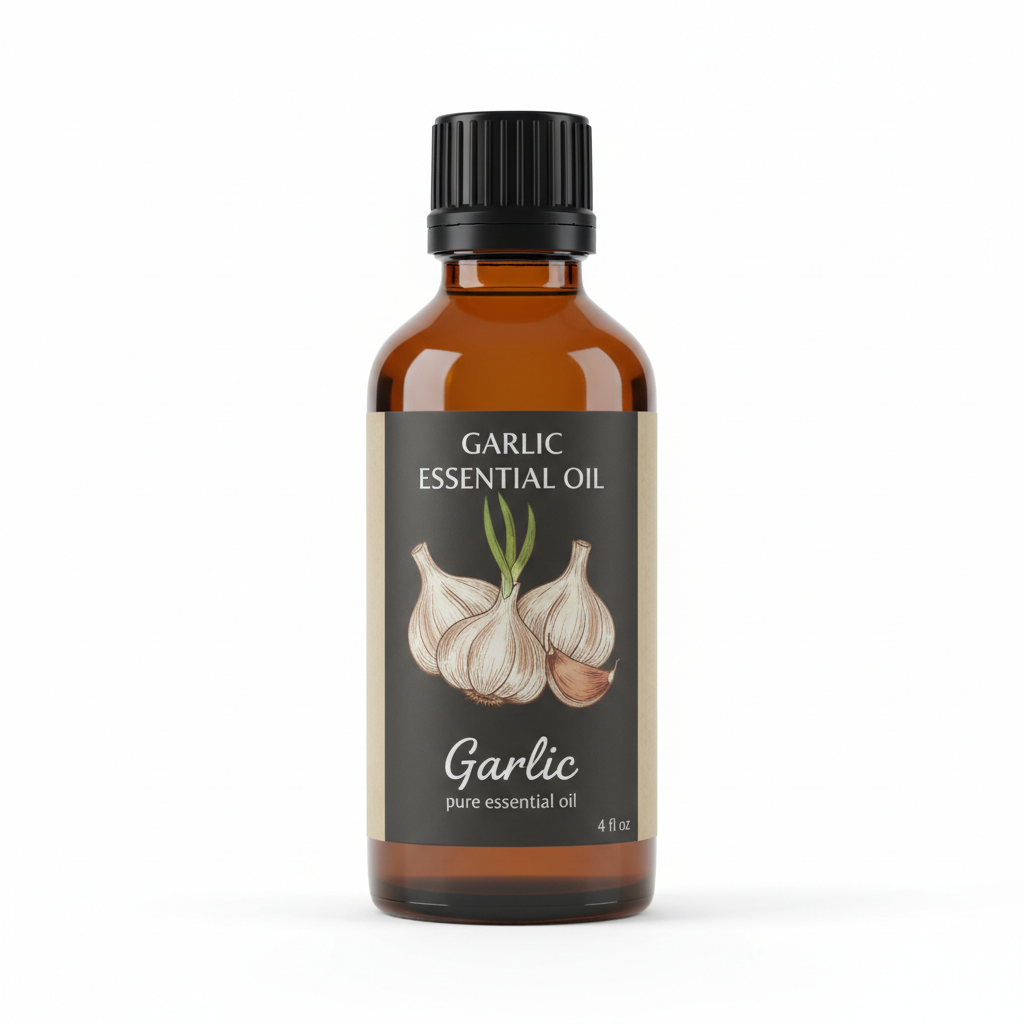
Garlic Essential Oil
Our own Garlic Essential Oil, in sizes from 0.5 oz to bulk.
From $10.99
Shop Now →The test tube chapter
In the lab, fluid from a cow's rumen is incubated with an additive for a day or two. In one well-known set of experiments, garlic oil at 300 mg per litre of culture fluid reduced methane production by 73.6% (Busquet and colleagues, 2005). A rumen simulation study using the same dose reported methane down 91%, with total short-chain fatty acids unchanged (Soliva and colleagues, 2011). Those numbers made garlic oil a famous anti-methane candidate, and they are real. They are also numbers from a flask.
The animal chapter
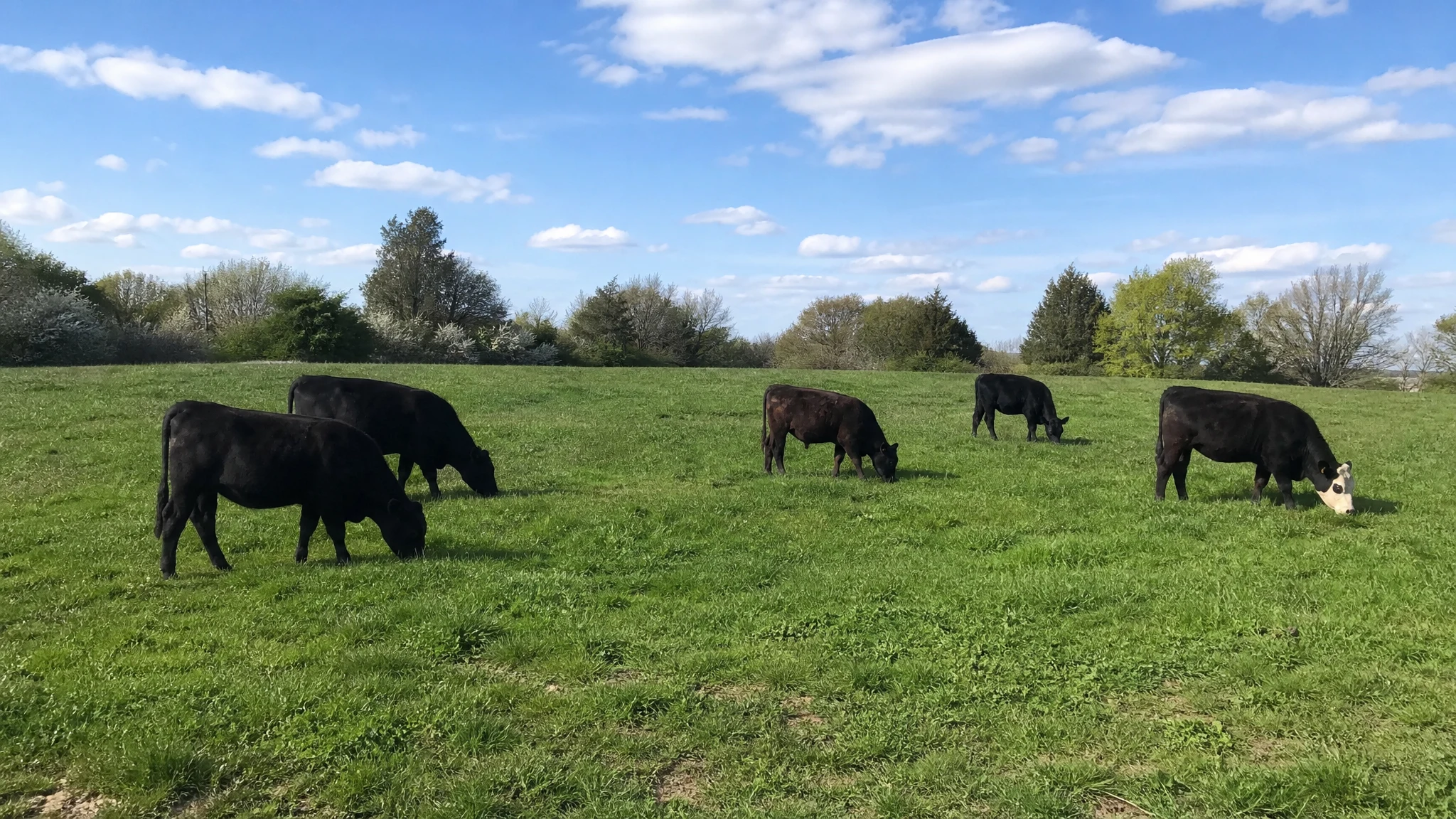
When researchers fed sheep garlic oil at 5 g per kilogram of dry matter, daily methane stayed the same, at about 27 g per day. Concentrate intake tended to dip, and the authors concluded that a garlic-oil supplemented concentrate was of little relevance in practice (Klevenhusen and colleagues, 2011). Their diallyl disulfide arm raised digestibility, which is an interesting side result, but not a methane fix.
Dairy cows told a different story again. Four lactating cows given 5 g of garlic oil a day had higher ruminal digestion of dry matter and protein, and unchanged milk yield, although methane was not the measurement of that study (Yang and colleagues, 2007). And a trial in 16 buffalo calves used a blend of garlic oil and cinnamon bark powder for 170 days and reported lower methane and better feed efficiency, but with two ingredients in the blend, garlic's own share is unknowable (Dey and colleagues, 2025).
A flask is not a stomach
Think of the difference between tasting a sauce from a spoon and running a restaurant kitchen on a busy night. In a flask, a sample of rumen fluid sits in a warm bath and meets one additive at one dose for a short while. In an animal, the feed changes through the day, the microbes shift, and the body keeps adjusting over weeks. A result from the spoon is a useful clue about the sauce. It is not a prediction about dinner service.
Why the chapters disagree
Rumen microbes are adaptable, and a flask holds them for a short time at a fixed dose, whereas an animal eats, chews, absorbs and adjusts over weeks. Doses are written differently too: milligrams per litre of fluid in the lab, grams per kilogram of feed or per animal per day in the barn, and those units do not convert into each other. The cow in the dairy study got about 0.02% of her diet as oil, while the sheep got about twenty times more per kilogram of feed. Different animals, different diets, different questions.
It is a lovely example of how science works. A striking early result invites a harder test, and the harder test teaches something. Garlic's sulfur compounds clearly do things to rumen microbes. Whether that can be turned into a practical feed tool is still being worked out, by animal nutrition researchers with proper facilities.
How we read a headline like this
When a big number turns up, we like to ask three plain questions. What was the unit: milligrams per litre of fluid, or grams per kilogram of feed? What was the subject: a flask, a sheep, a cow? And who ran the second test, the one that tries to confirm the first? It is a good habit for any bottle and any claim, and it takes about a minute.
What stays interesting
We do not want to leave the impression that the research is a letdown. A flask result that does not hold up in an animal is still a result, and it points researchers toward better questions about dose, timing and how long the effect lasts. It is a nice reminder that careful people are working on this, and that the right response to a promising number is curiosity, not a purchase.
Why we are careful here
Dosing a herd is a job for a veterinarian or a ruminant nutritionist. The Merck Veterinary Manual notes that garlic is 3 to 5 times more toxic than onion, that cattle and pigs have been affected, and that goats and sheep appear more resistant. Our garlic oil is an aroma and workshop material, not for internal use, and we do not offer it for animals or feed. Nothing in our Certificate of Analysis, which lists density and refractive index for one batch, says our oil matches the oils used in these studies.
For related reading, garlic oil for chickens and garlic oil and horses look at other animals, garlic oil versus garlic extract explains the materials, and our antimicrobial research post shows how to weigh lab results.
None of this changes what we love about the oil itself. It has a pungent, savory aroma with lasting depth, and a single drop on a blotter strip is a fine way to spend an unhurried few minutes.
The next time a headline promises a garlic fix for something big, look for the animal trial. If there is one, read that part first.
Garlic Essential Oil
Garlic Essential Oil from our own shop, in sizes from 0.5 oz to bulk.
From $10.99
Shop Now →Sources & Further Reading
- Busquet M, Calsamiglia S, Ferret A, Carro MD, Kamel C, 2005. Effect of garlic oil and four of its compounds on rumen microbial fermentation. J Dairy Sci. PubMed 16291631
- Soliva CR, Amelchanka SL, Duval SM, Kreuzer M, 2011. Ruminal methane inhibition potential of various pure compounds in comparison with garlic oil as determined with a rumen simulation technique (Rusitec). Br J Nutr. PubMed 21554814
- Klevenhusen F, Zeitz JO, Duval S, Kreuzer M, Soliva CR, 2011. Garlic oil and its principal component diallyl disulfide fail to mitigate methane, but improve digestibility in sheep. Anim Feed Sci Technol. doi.org/10.1016/j.anifeedsci.2011.04.071
- Yang WZ et al., 2007. Effects of garlic and juniper berry essential oils on ruminal fermentation and on the site and extent of digestion in lactating cows. J Dairy Sci. PubMed 18024759
- Dey A et al., 2025. Developing a feeding module with a blend of garlic oil and cinnamon bark for enhancing antioxidant status and immunity of Murrah buffalo. Antioxidants. PubMed 40563334
- Merck Veterinary Manual. Garlic and Onion (Allium spp) Toxicosis in Animals. merckvetmanual.com