Is Your Garlic Oil Still Good? Signs It Has Aged
Open a bottle of garlic oil and the smell arrives before you have the cap off. That is the whole trouble with judging one by nose: a fresh bottle and a tired one both announce themselves loudly. If you are wondering whether the bottle at the back of the cupboard has had its day, the answer lies more in how it has been kept than in how it smells.
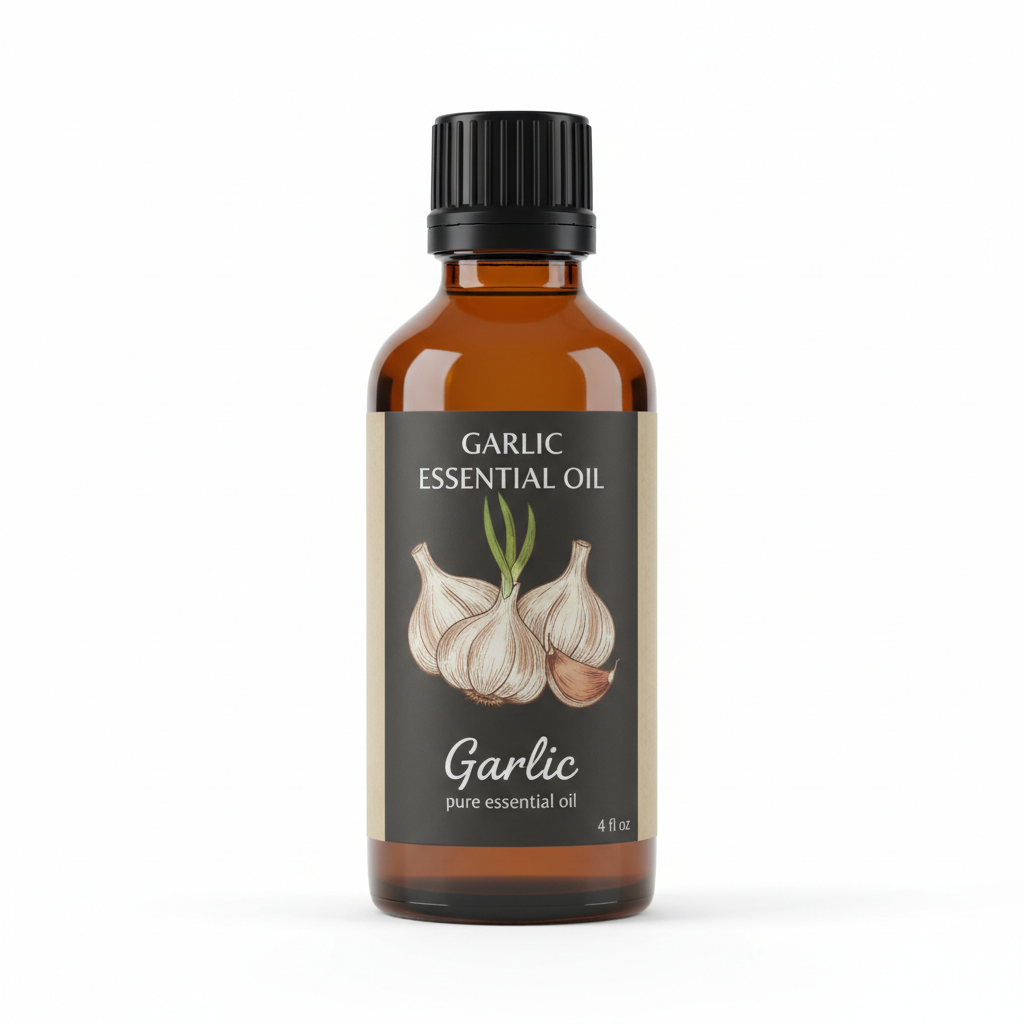
Garlic Essential Oil
Our own Garlic Essential Oil, in sizes from 0.5 oz to bulk.
From $10.99
Shop Now →What aging actually is
Essential oils age by oxidation. Oxygen reacts with the oil's own constituents, forming compounds such as peroxides, and heat, light and moisture all speed the process along. The Tisserand Institute adds that the more air there is in a bottle, the faster an oil oxidizes, which is why a nearly empty bottle that is opened often ages faster than a full one that stays shut (Tisserand Institute, oxidation).
Garlic oil is built largely from sulfur compounds. A published analysis of steam-distilled garlic oil found diallyl disulfide, diallyl trisulfide and allyl methyl trisulfide among its main components (Satyal et al., 2017). Whether those molecules change faster or slower than the terpenes in other oils, we cannot tell you, because the general oxidation guidance does not single garlic out. What we can say is that the practical rules are the same, and that they matter.
The signs worth looking for
The Tisserand Institute says oxidation alters the perceptible odor of an oil, and that very old oils can thicken and eventually solidify, though it describes that as taking quite a few years. For garlic, we would read those signs this way:
- Smell: the sharp, savory edge dulls or turns sour or flat. This is easiest to catch by comparing against a newer bottle, because the oil is strong enough to fool you on its own.
- Thickness: an oil that pours slower than it used to, or leaves a tacky film around the cap, has been through a lot of air.
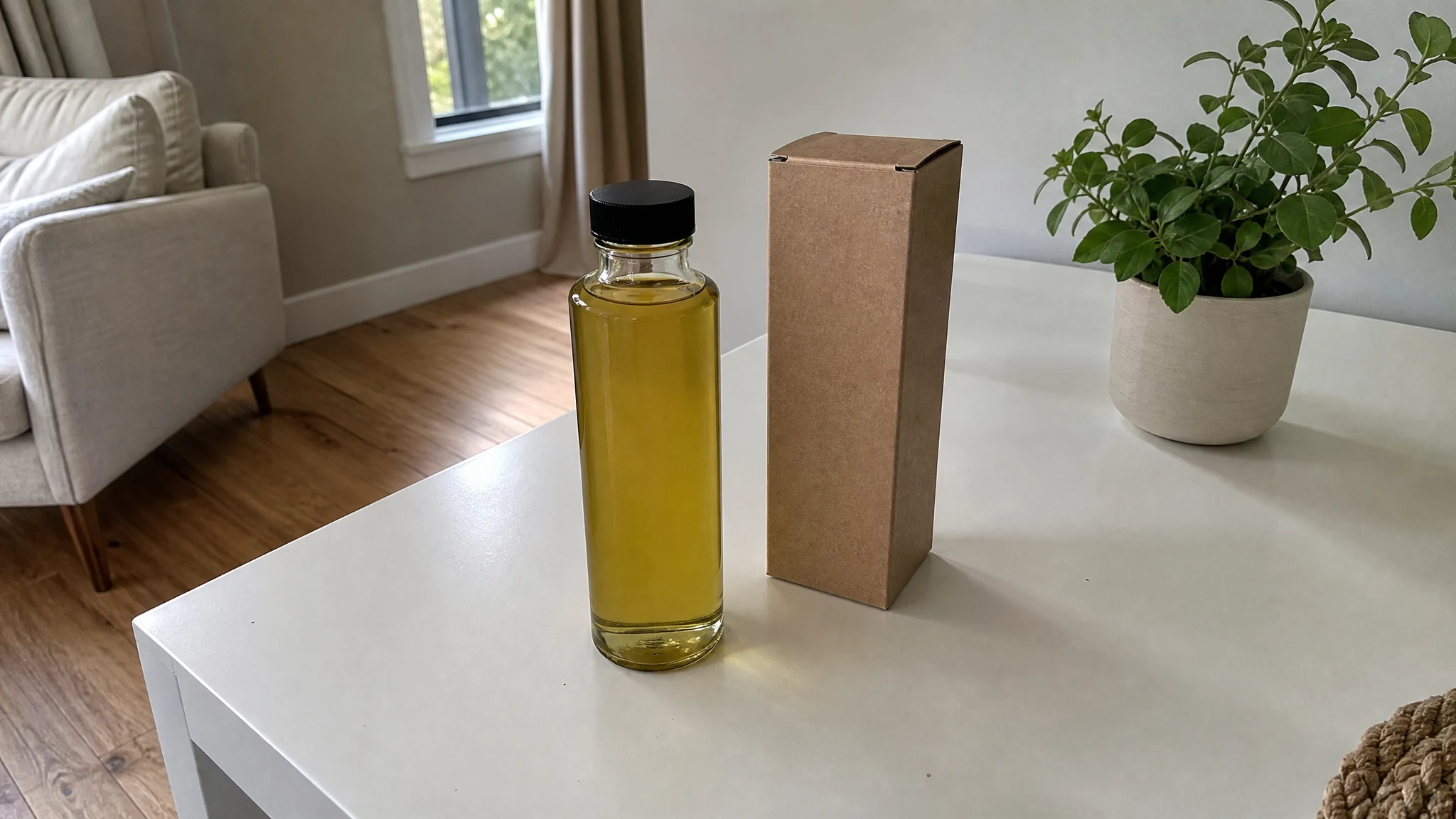
- Colour: the batch on our published Certificate of Analysis was recorded as a yellow liquid that complies with its standard. A clear shift from the yellow you started with is a reason to pause. That is our reasoning, not a published test.
None of these is a laboratory measurement, and a bottle can sit between fine and finished without announcing it. That is why we lean on dates instead.
How long to expect
The Tisserand Institute's rough guide is that most essential oils keep well for at least 1 to 2 years before oxidation starts to take effect, and that refrigeration can roughly double the useful life. Our product page describes our garlic oil as typically 2 to 3 years when it is kept tightly capped in a cool, dark place, away from other aromatics. Amber glass helps with light, and the rest is shelf choice.
Slowing it down
- Write the date you first opened the bottle on a strip of tape. It is the one record that does not depend on your nose.
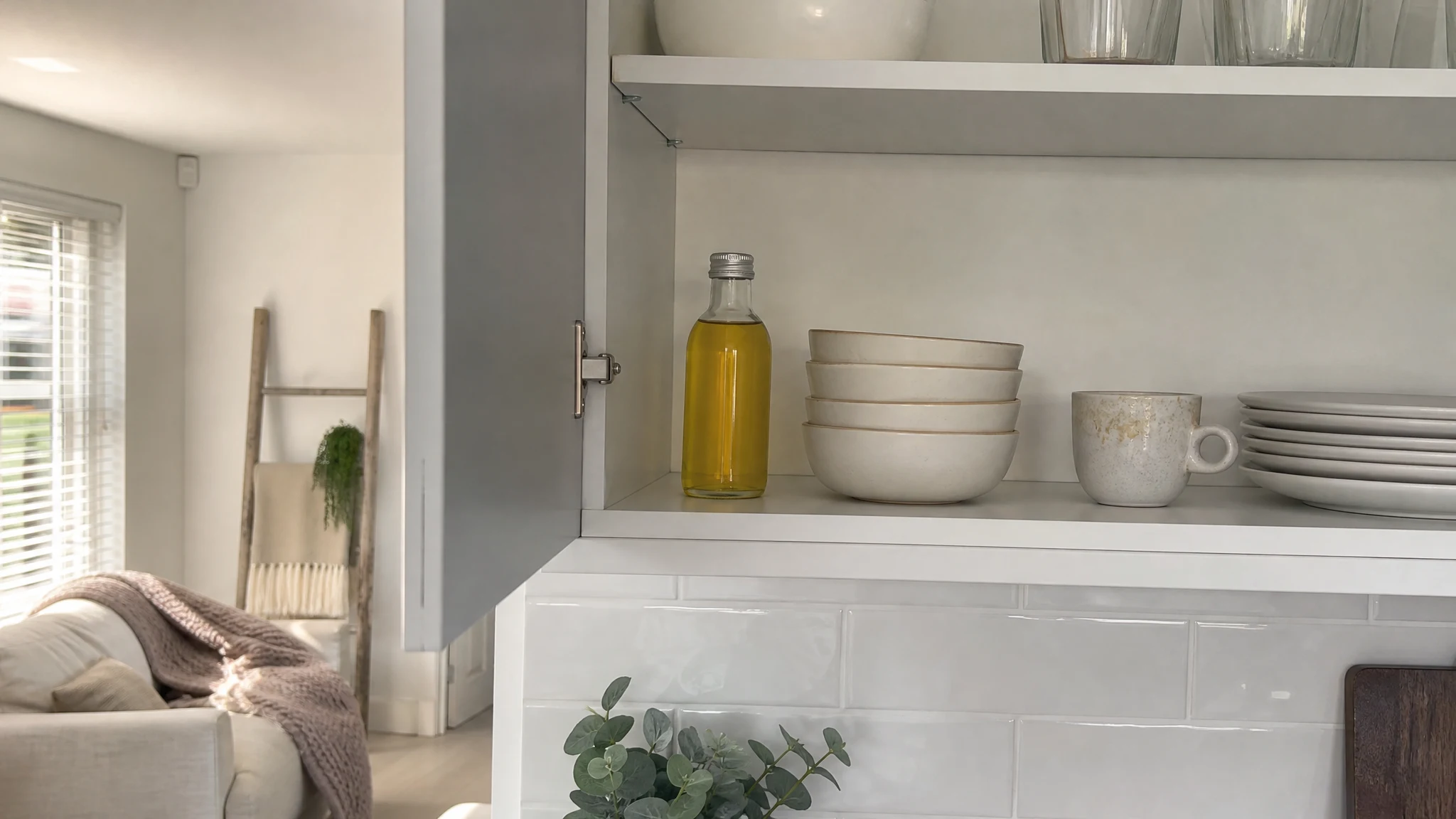
- Keep the cap tight and the bottle upright, in a cupboard away from the stove and the window.
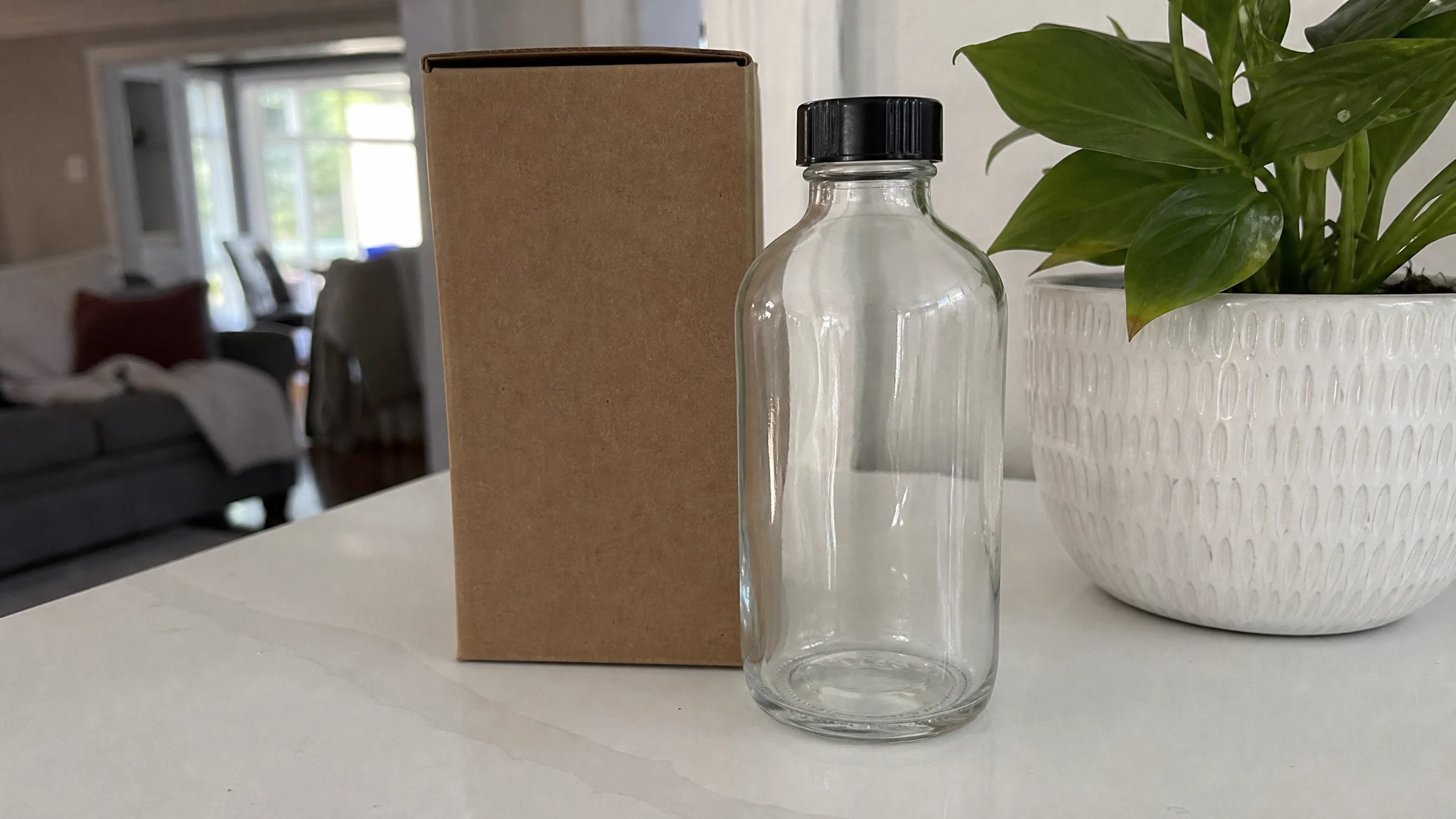
- If you bought a larger size, decant a working amount into a small airtight bottle and leave the big one sealed. Our storage guide walks through this, and our bulk page covers the larger containers.
- If you use the fridge, let the bottle come to room temperature before you open it so condensation does not get in.
When to let a bottle go
The Tisserand Institute describes oxidation products as slightly toxic and says they can increase the risk of adverse skin reactions. Garlic oil is already one we ask people to dilute carefully, so an old bottle is not the one to use on skin. Our guidance for skin is 0.5% to 2% in a carrier with a patch test first, and our skin reactions article explains why garlic needs that care. Diluted blends age too, so make small amounts and use them up, as the dilution guide suggests.
Our oil is not for internal use, so an aged bottle is never something to rescue in the kitchen. Check your local household hazardous waste rules for disposal, and if you have questions about a particular lot, our contact page is the place to ask in writing.
A date on the tape, a tight cap and a cool shelf will do most of the work. After that, a bottle is something you simply use up in good time.
Garlic Essential Oil
Garlic Essential Oil from our own shop, in sizes from 0.5 oz to bulk.
From $10.99
Shop Now →Sources & Further Reading
- Is my bottle of essential oil oxidized or no longer good to use?, Tisserand Institute
- The Chemical Compositions of the Volatile Oils of Garlic (Allium sativum) and Wild Garlic (Allium vineale), Satyal et al., Foods 2017