Garlic Oil and Water Do Not Mix: What to Use Instead
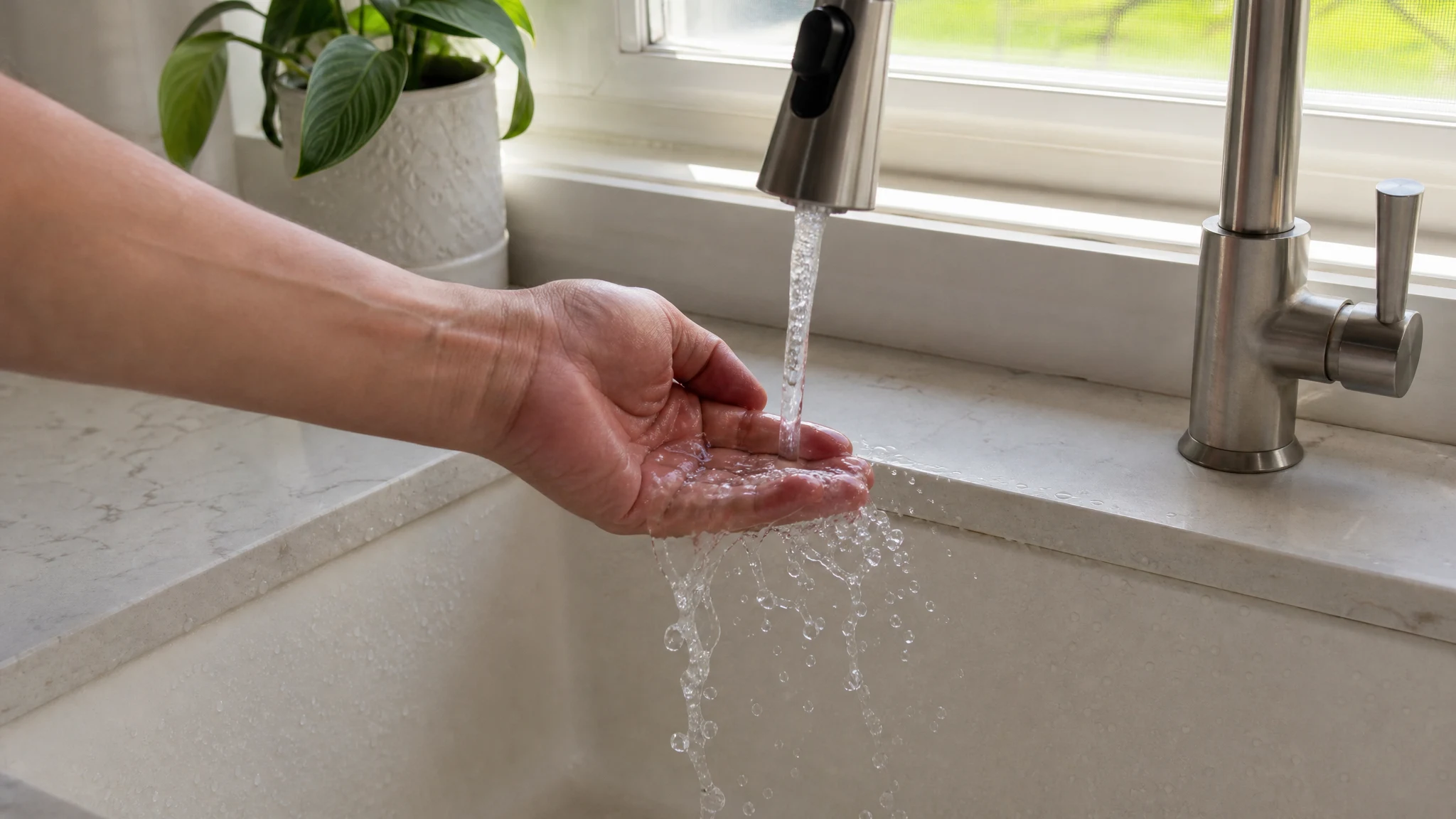
Drop a little garlic oil into a glass of water and watch what happens. It breaks into small beads, rides on the surface and stays there. Stirring only shreds the beads into smaller ones. That one bit of kitchen physics settles most of what you need to know about diluting garlic oil: water is the wrong partner.
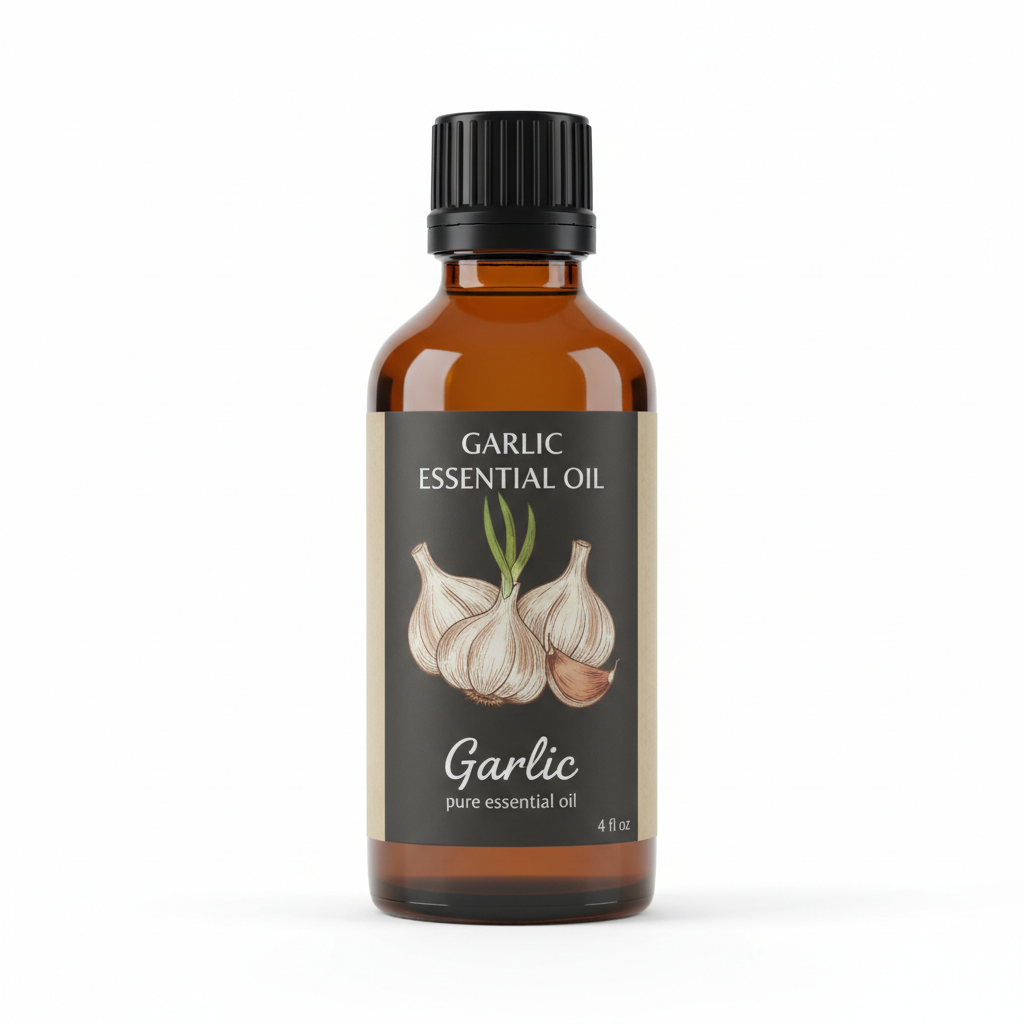
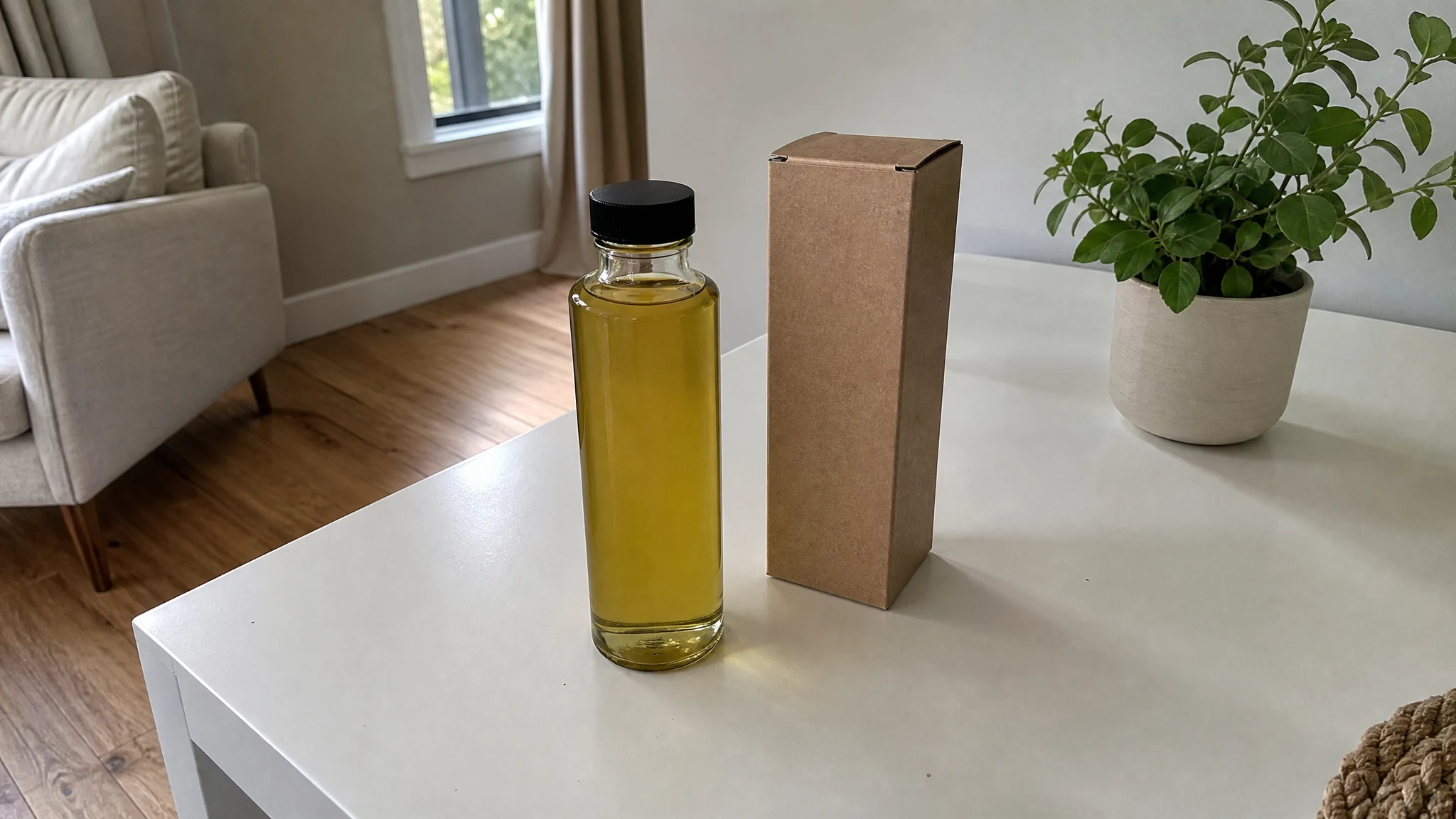
Garlic Essential Oil
Our own Garlic Essential Oil, in sizes from 0.5 oz to bulk.
From $10.99
Shop Now →Why the beads never disappear
The Tisserand Institute puts it plainly: essential oils are not water soluble. In its bath-safety guidance it points out that pouring oil straight into water leaves a film of undiluted oil sitting on top, and that some familiar fixes have a false reputation for working, full-fat milk among them. It recounts a case where tangerine oil diluted in full-fat milk caused a reaction in two children (Tisserand Institute, dispersing essential oils). Garlic is not tangerine, but the lesson carries over: if the oil is not truly dispersed, the strongest part of the mixture is the part that touches you.
For skin, the carrier is the diluent
Oil dissolves in oil, which is why a carrier is the usual answer. Our guidance for skin is 0.5% to 2% in a carrier oil, with a patch test first. The Tisserand Institute's general ranges for essential oils are 0.2% to 1% for sensitive or impaired skin, 0.5% to 1.2% for the face and underarms, and 1% to 3% for body oils and lotions, and it advises starting low and increasing only if needed (Tisserand Institute, dilution). Those are class-wide ranges, not garlic figures. Because garlic is a strong irritant on its own, we start at the low end, at 0.5%, and our step-by-step skin article shows the method.
A worked example, using about 20 drops to the millilitre as a rough convention: 100 g of carrier at 0.5% holds about 0.5 g of garlic oil, around 9 drops. The weights and stock-solution trick in our dilution guide make that repeatable, and our carrier oil guide helps you pick the base. We do not sell carrier oils; a craft supply shop does.
Wash-off products and water-based mixes
For soap, the Tisserand ranges list 2% to 4% for wash-off products, which sits above our own line, so we would start low and choose a soap-making supplier's rate over a guess. Candles, soap and any water-based product need a base and, for water, a dispersing agent from a soap or cosmetics supply shop, with the supplier's directions as the rule. We sell the garlic oil only. Our soap and candle starting guide is the place to begin.
Cooking, bait and garden sprays
These are the three uses people often have in mind when they search this, and we would steer each one elsewhere.
- Cooking: this oil is for aromatic and cosmetic use only, never internal, so we give no amounts for eating it. For dinner, garlic itself is the answer, and our kitchen or workshop article sorts out which bottle is which.
- Fishing scent: our fishing scent article covers what the rules and research say. We do not make fish-attractant claims for our oil.
- Garden sprays: we make no pest claims for the oil, and we do not recommend it for pest control. The EPA says products with pest claims must meet its minimum-risk conditions or be registered, and that states may add their own rules (EPA, conditions for minimum risk pesticides). Read our minimum risk rule article and ask a county extension office before you mix anything.
If you only want the scent
A blotter strip is the water-free way to meet the oil. We suggest starting with a single drop in a diffuser and ventilating freely, and our diffusing guide covers pets and children. Keep every bottle and bowl locked up, out of reach.
The short version is to treat garlic oil as an oil, pair it with oils, and let supply shops and extension offices handle the rest.
Garlic Essential Oil
Garlic Essential Oil from our own shop, in sizes from 0.5 oz to bulk.
From $10.99
Shop Now →Sources & Further Reading
- Bath safety II : Dispersing essential oils, Tisserand Institute
- Dilution for essential oils, Tisserand Institute
- Conditions for Minimum Risk Pesticides, US EPA